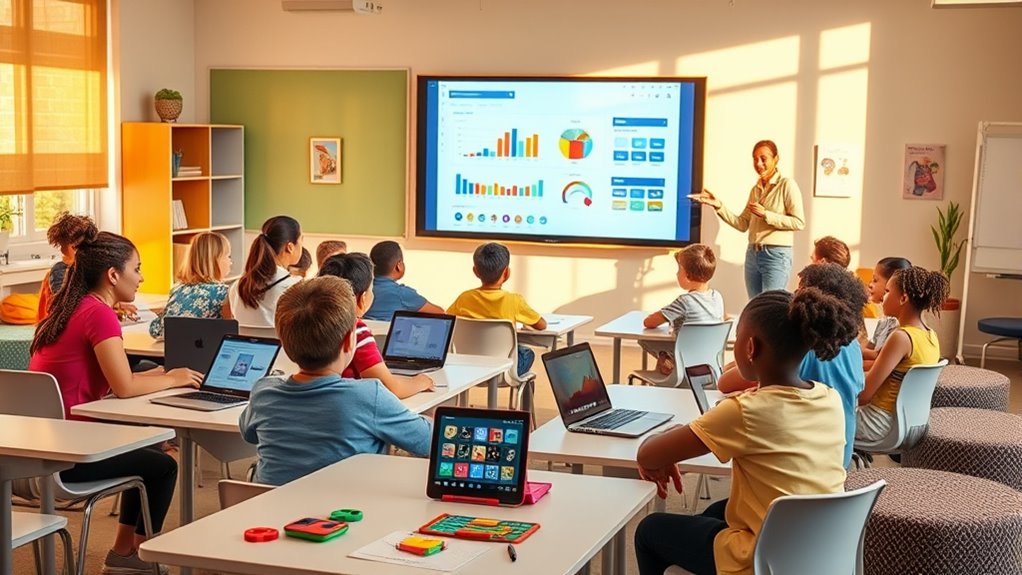

Digital coaching for neurodiverse learners offers a variety of tools and approaches tailored to individual needs. Using apps like speech-to-text, visual schedules, and multimedia resources, you can create accessible, engaging learning environments. Personalization is key—you’ll develop customized plans, break tasks into manageable steps, and track progress to refine strategies. These approaches foster independence, confidence, and resilience. If you keep exploring, you’ll discover ways to implement these tools effectively and make a real difference.

Get smart everyday buys delivered free — and shop member deals
- Fast, free delivery on millions of items
- Access to Prime Big Deal Days deals on October 6–7
- Prime Video, Amazon Music and more included
Key Takeaways
- Utilize assistive technologies like speech-to-text, visual schedules, and timers to support communication and time management.
- Develop personalized coaching plans that account for individual strengths, challenges, and interests, with clear, manageable goals.
- Incorporate multimedia resources such as videos, visual aids, and interactive apps to enhance engagement and reinforce learning.
- Use digital tools like calendars and reminder apps to promote organization, independence, and real-time progress adjustments.
- Integrate visual and multimedia resources thoughtfully, considering clarity and contrast, to create accessible, inclusive coaching sessions.
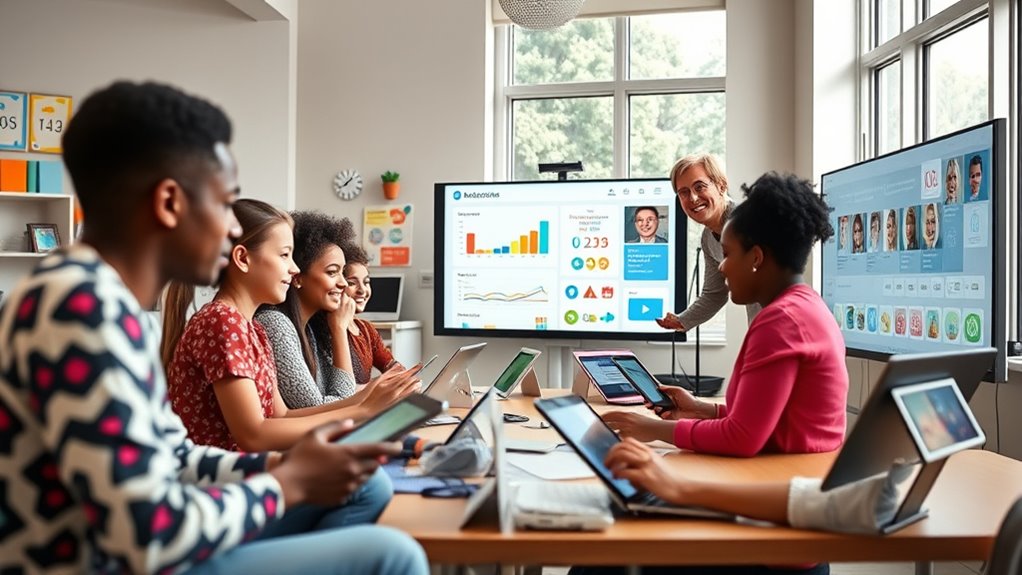
Have you ever wondered how digital coaching can support neurodiverse learners? It’s an innovative approach that harnesses the power of technology to address unique challenges and strengths. One of the key ways digital coaching makes a difference is through the use of assistive technology. These tools are designed to bridge gaps in communication, organization, and learning, enabling you to tailor support to each individual’s needs. For instance, speech-to-text apps can help learners express themselves more easily, while visual schedules and timers assist with time management and task completion. By integrating assistive technology into coaching strategies, you can create a more accessible and flexible learning environment that adapts to the learner’s pace and preferences.
Digital coaching uses assistive technology to personalize support and enhance learning for neurodiverse individuals.
Beyond technology, personalized strategies form the core of effective digital coaching for neurodiverse individuals. Unlike one-size-fits-all approaches, personalized strategies recognize that every learner has a distinct profile of strengths, challenges, and interests. As a coach, you focus on developing customized plans that leverage these strengths and address specific needs. This might involve setting achievable goals, breaking tasks into manageable steps, or using preferred communication methods. Digital platforms make it easier to track progress, adjust strategies, and maintain ongoing communication, ensuring that support remains relevant and effective over time. Personalization also encourages learners to take ownership of their development, fostering confidence and resilience.
Digital coaching tools enable you to implement these personalized strategies seamlessly. For example, digital calendars and reminder apps can help learners stay organized, while interactive apps and games can reinforce learning in engaging ways. You can also incorporate multimedia resources—videos, podcasts, or visual aids—that resonate with diverse learning styles. The flexibility of digital coaching allows for real-time adjustments based on feedback and performance, ensuring that each learner receives the right level of challenge and support. Moreover, the data collected through these tools provides valuable insights into progress, helping you refine your approach and celebrate successes. Additionally, understanding the importance of contrast ratio in projectors can inspire you to consider visual clarity and image quality when integrating multimedia resources into coaching sessions.
In essence, digital coaching empowers you to deliver tailored support that respects each learner’s individuality. By leveraging assistive technology and crafting personalized strategies, you create an environment where neurodiverse learners can thrive. The combination of innovative tools and customized approaches makes learning more accessible, engaging, and empowering. As you explore these methods, you’ll discover new ways to foster independence, build confidence, and reveal potential in every learner you work with. Digital coaching isn’t just about technology; it’s about transforming support into a personalized journey that celebrates neurodiversity and promotes growth.
Frequently Asked Questions
How Do Digital Coaching Tools Adapt to Individual Neurodiverse Needs?
Digital coaching tools adapt to your neurodiverse needs through personalization strategies and adaptive technologies. They assess your strengths and challenges, then tailor features like content delivery, pacing, and communication styles. You can customize settings to match your preferences, ensuring a supportive learning environment. These tools continuously monitor your progress, adjusting in real-time, so you stay engaged and motivated. This personalized approach helps you learn more effectively and confidently.
What Training Is Required for Coaches Working With Neurodiverse Learners Online?
You’ll need training in neurodiverse communication, sensory-friendly environments, and adaptive strategies. Think of it as becoming a superhero, equipped to decode unique needs and craft supportive spaces. You’ll learn to read cues, adjust your tone, and create a digital sphere where every learner feels safe and understood. This way, you turn online coaching into a superpower that empowers neurodiverse learners to thrive confidently.
How Is Progress Measured in Digital Coaching for Neurodiverse Students?
You measure progress in digital coaching for neurodiverse students through behavior tracking and engagement metrics. By monitoring changes in specific behaviors, you can assess growth and identify areas needing support. Engagement metrics, like participation levels and task completion rates, help you gauge how involved the student is over time. Regularly reviewing these data points allows you to tailor coaching strategies and demonstrate progress effectively.
Are There Privacy Concerns With Digital Coaching Platforms for Neurodiverse Learners?
A stitch in time saves nine, and that applies to privacy concerns too. Digital coaching platforms for neurodiverse learners raise valid issues about data security and user consent. You must guarantee platforms prioritize data security to protect sensitive information. Always verify that users give informed consent, understanding how their data will be used. Staying vigilant helps safeguard privacy, so you can confidently use digital tools without risking personal or sensitive data.
What Are the Costs Associated With Implementing Digital Coaching Programs?
Implementing digital coaching programs involves costs like software licenses, device investments, and training, which you should include in your cost analysis. You’ll also need to take into account ongoing expenses for updates and support. Effective resource allocation helps you prioritize essential tools and training, ensuring your budget is used efficiently. While costs vary based on program size and technology choices, careful planning ensures you maximize benefits without overspending.
Conclusion
Just as Da Vinci embraced innovation to unseal creativity, you can harness digital coaching tools to empower neurodiverse learners. By integrating personalized approaches and cutting-edge technology, you unlock their hidden potential, transforming challenges into opportunities. Embrace this digital renaissance, and remember, every learner’s unique path is a masterpiece waiting to be revealed. With patience and ingenuity, you become the guiding artist in their journey toward success and self-discovery.
Halloween Picks
halloween
As an affiliate, we earn on qualifying purchases.