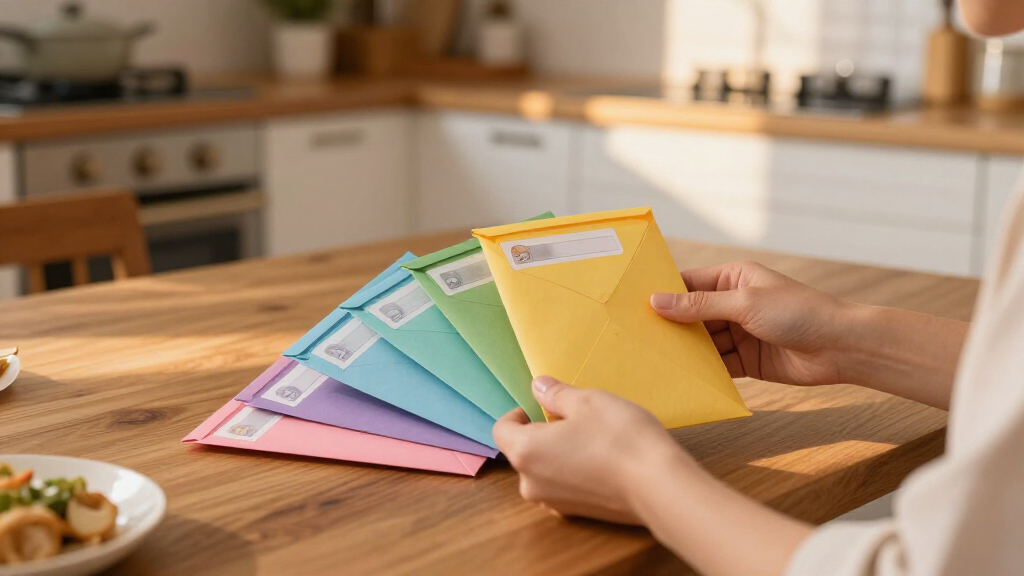
Cash envelope budgeting kits split into two camps: binder-based systems with zipper envelopes and expense trackers, and loose envelope packs for lighter, cheaper setups. The Clever Fox 12 Pack System stands out as the best overall pick for its balance of durable envelopes, labeled categories, and tracking inserts. The Skydue Budget Binder makes more sense if you want everything housed in one zippered binder, while the 120 Pack bulk envelopes wins on pure value if you already own a wallet or binder. The main tradeoffs come down to durability versus price, portability versus organization, and whether you need built-in tracking tools. Read on for the full breakdown of all 11 kits.

Get smart everyday buys delivered free — and shop member deals
- Fast, free delivery on millions of items
- Access to Prime Big Deal Days deals on October 6–7
- Prime Video, Amazon Music and more included
Key Takeaways
- Binder-based kits (Skydue, NICOOTH) cost more but protect envelopes and keep expense sheets in one place — better for daily carry than loose packs.
- The Clever Fox 12-pack won on overall design because its assorted colors and built-in ledger tables do the categorizing work for you, unlike plain bulk packs.
- Bulk envelope packs (120 Pack, 24 Pcs) cost pennies per envelope but skip tracking tools — you’ll need a separate notebook or app to record spending.
- The 100 Envelope Challenge books (Sooez) are savings tools, not budgeting systems; they suit a one-time $5,050 savings sprint rather than monthly expense management.
- The RFID-blocking Three Way Wallet is the only kit here that replaces a wallet entirely — worth it if you’re quitting cards, overkill if you just want envelopes for groceries.


| cash envelope budgeting kit | Material |
|---|---|
| Sooez 100 Envelopes Money Savi | PU leather |
| Sooez 100 Envelopes Money Savi | — |
| Skydue Budget Binder with Zipp | PU leather |
| Clever Fox Cash Envelopes for | High-density polyethylene fibers |
| ABC Life Cash Envelopes Plasti | Polypropylene |
| Cash Envelopes | 80g recycled color tape paper |
| NICOOTH Budget Binder A6 Money | PU leather |
| Sooez 100 Envelope Money Savin | PU leather, PVC |
| 24 Pcs Cash Envelopes for Budg | Premium cardstock |
| Three Way Cash Envelope Wallet | Faux leather |
| SKYDUE Budget Binder with Zipp | PU leather |
More Details on Our Top Picks
Sooez 100 Envelopes Money Saving Challenge Book
This option stands out for anyone whose real goal is building a savings habit rather than just sorting spending. The laminated, erasable tracker means the kit can be reused challenge after challenge, and the pre-numbered A5 envelopes give structure that loose sets like the Clever Fox 12-pack simply don’t offer. Compared with the Skydue budget binder, the PU leather cover here feels more like a keepsake book than a portable wallet, which is exactly the point: it lives on a shelf and gets opened deliberately. The tradeoff is time. Every deposit requires manual writing and marking, so this pick rewards people who enjoy the ritual of budgeting. Anyone wanting a grab-and-go system for daily errands will find it too stationary.
Pros:- Reusable laminated tracker supports multiple savings challenges
- Sturdy, scratch-resistant PU leather binder holds up over time
- Flexible 30-day, 52-week, or 100-envelope challenge options
- Pre-numbered envelopes remove guesswork from goal-setting
Cons:- Manual writing and marking takes time every deposit
- 100-envelope cap may feel limiting for larger or ongoing savings goals
Best for: Savers who want a structured, repeatable challenge system for emergency funds and long-term goals
Not ideal for: Daily spenders who need envelopes in a purse — this is a binder-based ritual, not a portable wallet
- Material:PU leather
- Number of envelopes:100
- Envelope size:A5
- Tracker:Laminated, erasable
- Challenge options:30 days, 52 weeks, 100 envelopes
- Includes:Binder, envelopes, tracker
Our verdict“Buy this if you want the most complete savings-challenge system for the money; skip it if you need something that travels.”
Sooez 100 Envelopes Money Saving Challenge Book (PVC Envelope Edition)
This sibling of the Sooez challenge book above swaps standard envelopes for transparent, waterproof PVC pockets, which changes who it serves. Seeing the cash inside each numbered pocket adds a motivational nudge the opaque envelopes can’t match, and the waterproofing protects bills stored for months at a time — a genuine advantage for a 52-week challenge. The kit keeps the same reusable laminated tracker and scratch-resistant PU leather binder, so the challenge structure is identical. The drawbacks mirror the original: it still demands manual marking, and capacity stops at 100 envelopes. It also lacks published size and weight details, which makes fit harder to judge before ordering. This model makes the most sense for savers committed to a slow, year-long build rather than quick monthly resets.
Pros:- Waterproof transparent envelopes let you see savings grow
- Same reusable laminated tracker as the flagship kit
- Customizable short- and long-term challenge options
- Scratch-resistant PU leather binder built for year-long use
Cons:- Requires sustained manual tracking over many months
- Sparse published specs on size and capacity
Best for: Disciplined savers running a 52-week challenge who want visible progress and waterproof storage
Not ideal for: Impatient or short-term budgeters — the 100-envelope structure assumes months of commitment
- Brand:Sooez
- Number of envelopes:100
- Envelope material:Transparent PVC
- Binder material:PU leather
- Tracker:Reusable laminated
- Challenge options:30 days, 52 weeks, 100 envelopes
- Includes:Binder, 100 envelopes, laminated tracker
Our verdict“Pick this over the standard Sooez book if visible cash and waterproof pockets will keep you motivated through a long challenge.”
Skydue Budget Binder with Zipper Envelopes and Expense Sheets
Unlike the Sooez challenge books, which sit at home as savings rituals, the Skydue binder is built for everyday carry. Its A6 size slides into a handbag or backpack, and the eight zipper envelopes keep cash, cards, and receipts from spilling — a step up in security from the open-topped Clever Fox envelopes. The included category stickers and twelve expense sheets turn it into a genuine month-to-month budgeting tool rather than a one-time challenge kit. Hidden compartments and pen hoops round out a thoughtful travel design. The tradeoff is capacity: eight envelopes and A6 pages mean anyone running more than a handful of spending categories, or a 100-envelope challenge, will outgrow it quickly and need to buy extra sheets.
Pros:- Compact A6 format fits handbags and backpacks
- Zipper envelopes secure cash better than open pocket styles
- Category stickers and 12 expense sheets included
- Hidden compartments and pen hoops add everyday utility
Cons:- Small capacity limits the number of budget categories
- Extra expense sheets required for extended budgeting
Best for: Commuters and shoppers who want a complete cash budget they can carry in a purse or bag
Not ideal for: Multi-category budgeters or savings-challenge participants — eight envelopes and A6 pages run out fast
- Material:PU leather
- Binder size:A6
- Zipper envelopes:8
- Expense sheets:12
- Category stickers:Included
- Extra storage:Hidden compartments, pen hoops
Our verdict“This is the pick for cash budgeters on the move; choose a binder kit instead if your system lives at home.”
Clever Fox Cash Envelopes for Budgeting Money, 12 Pack System Assorted
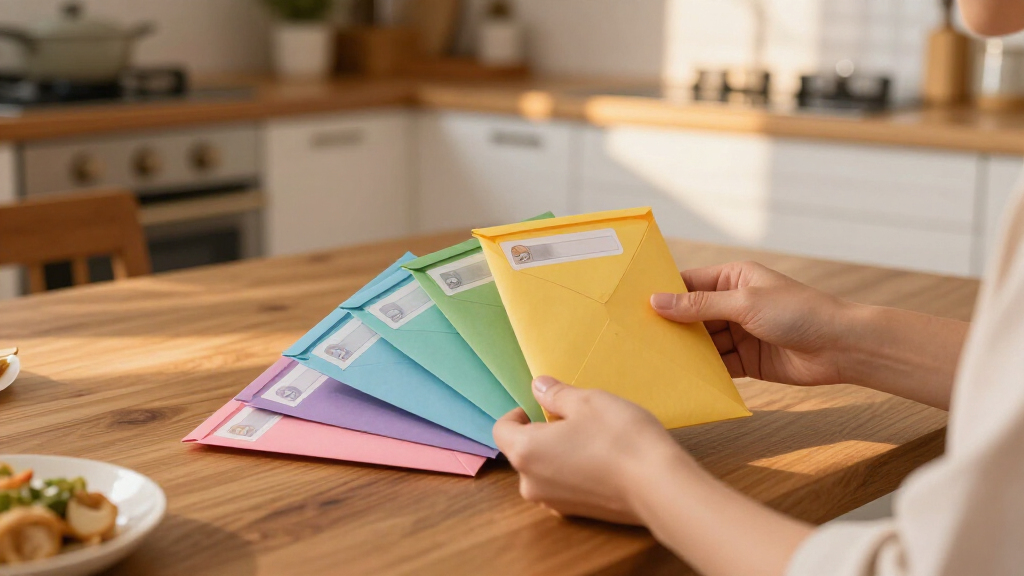
Not everyone needs a binder, and the Clever Fox set proves it. For buyers who already own a wallet or folder — or who paired it with something like the Three Way Cash Envelope Wallet — these twelve water- and tear-resistant envelopes in assorted colors do the core job at a lower commitment. The Tyvek-style polyethylene fiber material outlasts paper envelopes dramatically, and the color-coding makes category recognition instant, something the single-color Sooez pockets don’t attempt. A zip pouch and twelve budget sheets sweeten the deal. The catch is that it’s envelopes only: there’s no structure, no tracker binder, and no challenge system. Buyers who need the motivational scaffolding of a full kit should step up to the Sooez books instead.
Pros:- Water- and tear-resistant material far outlasts paper envelopes
- Assorted colors enable instant category recognition
- Includes zip pouch and 12 budget sheets
- Slim, lightweight format for wallets and existing binders
Cons:- No binder or progress tracker included
- Cash-only system with no digital or hybrid features
Best for: Budgeters who already have a wallet or binder and just need durable, color-coded envelopes
Not ideal for: Beginners who want a guided system — there’s no tracker binder or challenge structure here
- Material:High-density polyethylene fibers
- Envelope size:6.7 x 3.3 inches
- Number of envelopes:12
- Color options:Assorted color-coded
- Includes:Zip pouch, 12 budget sheets
- Durability:Water- and tear-resistant
Our verdict“The smart buy if you just need rugged envelopes to slot into gear you already own; pass if you want a complete kit.”
ABC Life Cash Envelopes Plastic for Budget System
For a first dip into cash budgeting, the ABC Life set keeps things simple and cheap enough that a failed experiment costs little. The standout feature is the snap-button closure on each of the twelve envelopes — more secure than the open tops of the Clever Fox set, though less protective than the zippers on the Skydue binder. The budget sheets, sticker labels, and storage pouch give a newcomer everything needed to set up categories on day one without buying extras. Polypropylene construction shrugs off water and wipes clean, so coffee spills don’t end the system. The limitations are real but forgivable at this price: it holds only cash and small items, and the colorful styling won’t appeal to everyone. Compared with the Sooez kits, it trades long-term structure for low-commitment accessibility.
Pros:- Snap-button closures keep cash more secure than open-top envelopes
- Complete starter package with sheets, labels, and pouch
- Durable water-resistant polypropylene wipes clean easily
- Bright colors make budget categories easy to identify
Cons:- Cash and small items only — no expansion path
- Playful design may not suit professional settings or minimalist tastes
Best for: First-time cash budgeters testing the method before investing in a full binder system
Not ideal for: Experienced budgeters or long-term savers — the 12-envelope, cash-only setup caps how far the system scales
- Number of envelopes:12
- Envelope size:6.5 x 3.3 inches
- Material:Polypropylene
- Closure:Snap button
- Includes:Budget sheets, sticker labels, storage pouch
- Durability:Water-resistant, reusable
Our verdict“The lowest-risk way to try cash envelope budgeting; upgrade to a binder kit once the habit sticks.”
Cash Envelopes – 120 Pack, 3.2×6.6 inches for Budgeting, Coins, Checks, Gift Cards & Tickets
Most budgeting kits give you 8 to 24 envelopes and charge a premium for the binder that comes with them. This 120-pack flips that math: it’s the cheapest path to a fully stocked envelope system, especially for households running many spending categories at once or splitting cash across family members. Compared with the NICOOTH Budget Binder, you lose the zipper closures and the portable casing, but you gain five times the envelopes for less fuss. The peel-and-seal flaps keep bills and coins secure, and the ten-color palette doubles as a free categorization scheme. The tradeoff is durability — recycled 80g paper won’t survive years of daily wallet handling the way laminated cardstock would, and the lack of a see-through window means flipping through envelopes to find the right category.
Pros:- Exceptional per-envelope value at 120 pieces
- Ten color options enable visual category coding
- Peel-and-seal closure secures coins and gift cards
- Recycled paper suits eco-conscious buyers
Cons:- Paper envelopes degrade with heavy daily handling
- No transparent window for identifying contents at a glance
Best for: Multi-category budgeters, families, and gift-givers who need dozens of envelopes at a low per-unit cost
Not ideal for: Anyone who carries envelopes daily in a purse or wallet — the paper construction wears quickly without a binder for protection
- Size:3.2 x 6.6 inches
- Material:80g recycled color tape paper
- Quantity:120 envelopes
- Colors:10 assorted shades
- Seal Type:Gummed peel-and-seal flap
- Capacity:Up to 60 bills per envelope
Our verdict“Buy this if you need volume and versatility over polish — it’s the refill-and-go choice for established envelope budgeters.”
NICOOTH Budget Binder A6 Money Saving Binder with Zipper Cash Envelopes
This is the pick that makes the cash envelope method feel carryable. The A6 binder slips into a purse or work bag, and the zipper envelopes mean loose coins and folded bills stay put during a commute — a real advantage over the open-flap 120-pack from Cash Envelopes. With 12 expense sheets and sticker labels included, a beginner gets everything needed to start categorizing spending in one purchase. Compared with the Three Way Cash Envelope Wallet, the NICOOTH is more planner-like and less wallet-like — better for weekly budget reviews at home, less convenient for point-of-sale pulls from your pocket. The tradeoff is capacity and longevity: eight envelopes cap you at roughly eight categories, and the PU leather shows scuffs after months of daily travel.
Pros:- Zipper envelopes prevent spills during travel
- Includes expense sheets and labels for immediate setup
- Compact A6 format fits bags and totes easily
- Stylish enough to carry without embarrassment
Cons:- Only 8 envelopes limits category granularity
- PU leather can scuff and peel with frequent use
Best for: Budgeting newcomers who want a complete, grab-and-go system small enough for a purse or backpack
Not ideal for: Complex budgets with many categories — eight envelopes fills up fast, and heavy daily use wears the PU leather
- Brand:NICOOTH
- Size:A6
- Material:PU leather
- Envelopes:8 zipper cash envelopes
- Tracking Tools:12 expense sheets
- Labels:Waterproof sticker and self-adhesive labels
- Model Number:nicooth-05
Our verdict“The easiest all-in-one entry point for someone starting their first cash budget on the move.”
Sooez 100 Envelope Money Saving Challenge Book with 100 Pre-Numbered Pockets
The Sooez book solves a different problem than the other kits here: instead of managing monthly spending, it’s built for the viral 100-envelope savings challenge, where you stuff a numbered pocket with matching dollars over 100 days. The pre-numbered pockets remove the setup friction of doing this with loose envelopes from the 120-pack, and the reusable laminated tracker lets you wipe and restart challenges for years — something a one-shot printable can’t match. The larger A5 format and scratch-resistant PU cover feel more durable than the NICOOTH’s A6 build. The catch is focus: this is a savings motivator, not a spending-management tool. There’s no expense categorization, no budget sheets, and the pockets run small for anyone saving larger denominations.
Pros:- Pre-numbered pockets eliminate setup work
- Reusable laminated tracker supports repeat challenges
- Sturdy A5 PU leather cover resists scratches
- Flexible challenge formats fit different income levels
Cons:- No expense-tracking or categorization features
- Pockets too small for bulky cash stacks
- Cash-only system doesn’t sync with digital savings
Best for: Motivation-driven savers building an emergency fund or holiday fund through a structured, gamified challenge
Not ideal for: Anyone who wants to track and categorize monthly spending — this is purely a savings tool with no budget sheets
- Brand:Sooez
- Size:A5
- Envelope Count:100 pre-numbered pockets
- Material:PU leather, PVC
- Tracker:Reusable laminated tracker
- Format:Binder book
Our verdict“Choose this to gamify a savings goal — skip it if your priority is day-to-day expense control.”
24 Pcs Cash Envelopes for Budgeting
If you already own an A6 budget binder — like the NICOOTH or a Skydue — this 24-pack is the upgrade path. The punched holes and vertical ledger layout put date, description, and amount lines right on each envelope, so every withdrawal gets logged at the moment it happens rather than in a separate notebook. That’s a genuine workflow improvement over plain colored envelopes like the 120-pack, which offer no tracking surface at all. The 12-color coding covers a dozen categories, and the premium cardstock feels stiffer and more durable than recycled paper. The limitation is compatibility: these only work in A6 6-hole binders, so they’re dead weight for anyone using a clip wallet or the Three Way wallet system. And with no lamination, they’ll soften with sweat and rain.
Pros:- Built-in ledger lines log spending on the envelope itself
- 12 colors support granular category coding
- Sturdy cardstock outlasts paper alternatives
- Punched for standard A6 6-hole binders
Cons:- Only compatible with A6 6-hole binders
- No water resistance for rain or spill exposure
Best for: Owners of A6 budget binders who want tracked, color-coded envelopes for a dozen-plus spending categories
Not ideal for: Buyers without a 6-hole A6 binder — the punching makes them incompatible with wallets and clip systems
- Quantity:24 envelopes
- Colors:12 vibrant colors
- Size:6.5 x 3.5 inches
- Material:Premium cardstock
- Compatibility:A6 6-hole binders
- Layout:Vertical with date, description, and amount sections
Our verdict“The smartest refill choice if you run an A6 binder and want tracking built into every envelope.”
Three Way Cash Envelope Wallet Budget System with RFID Blocking and 12 Envelopes
This is the only option in the lineup that replaces your actual wallet rather than complementing it. With 14 compartments, 12 envelopes, 12 monthly budget cards, and a yearly planner, it consolidates cards, cash, and budgeting into a single zipped case — a step beyond the NICOOTH binder, which still needs a separate wallet alongside it. The RFID blocking adds a security layer none of the other picks offer, and the black faux leather design reads as gender-neutral and office-appropriate. The tradeoff is bulk: this is noticeably larger than the NICOOTH or the 24-piece refill set in a slim binder, so pocket carriers will find it a two-hand operation. Faux leather also creases and peels over years of daily pocket duty, and black is your only color choice.
Pros:- Replaces your wallet entirely with 14 compartments
- RFID blocking protects card data
- Includes budget cards and a yearly planner for goal tracking
- Gender-neutral design suits any user
Cons:- Bulky compared with slim binder systems
- Faux leather shows wear with daily use
- Single color option limits style choice
Best for: Buyers who want one carry-everywhere object that replaces both their wallet and their budgeting system
Not ideal for: Minimalists and pocket carriers — the multi-compartment format is too bulky to carry like a standard wallet
- Material:Faux leather
- Envelopes:12 cash envelopes
- Budget Cards:12 monthly budget cards
- Wallet Compartments:14
- RFID Protection:Yes
- Closure Type:Zipper
- Color:Black
Our verdict“The pick for consolidators — one zip-up system for cards, cash, and budgeting, if you can accept the size.”
SKYDUE Budget Binder with Zipper Envelopes and Expense Sheets
Compared with bare-bones envelope packs like the 120 Pack Cash Envelopes, the SKYDUE binder takes a more complete approach: you get zipper envelopes, expense sheets, and category stickers housed inside a PU leather A6 binder that looks more like a day planner than a budgeting tool. That styling matters if you want a system you’re comfortable pulling out at a checkout counter. The hidden compartments and pen hoops add practical polish that loose envelope sets simply don’t offer, and at 0.28 kg it slips into a handbag without adding real bulk.
The tradeoff is capacity. Where bulk envelope packs give you a dozen or more pockets to spare, this kit can feel tight if you run ten-plus spending categories, and the single pink colorway narrows its appeal. Compared with the NICOOTH Budget Binder, the envelope count here is the weaker point, though the included tracking sheets give it an organizational head start.
Pros:- All-in-one kit with zipper envelopes, expense sheets, and category stickers so beginners can start immediately
- PU leather cover with hidden compartments and pen hoops feels polished and discreet in public
- Lightweight 0.28 kg A6 design travels well in handbags or backpacks
- Expense sheets build tracking into the system rather than leaving it to separate notebooks
Cons:- Limited color options — pink is the only specified finish, which won’t suit everyone
- Envelope count may fall short for households with extensive category systems
- PU leather can show wear with heavy daily use
Best for: Style-conscious beginners, especially anyone who wants a portable, planner-like system they can carry daily in a purse or backpack
Not ideal for: Heavy categorizers running many budget categories at once — the envelope count will feel limiting compared to bulk packs
- Brand:SKYDUE
- Model Number:SKY-A6Binder8-Pink
- Binder Size:A6
- Material:PU leather
- Item Weight:0.28 kg
- Included Accessories:Zipper cash envelopes, expense sheets, category stickers
- Customer Rating:4.7/5
- Best Sellers Rank:#399 in Office Products
Our verdict“Buy this if you want an attractive, everything-included starter binder you can carry everywhere; skip it if you need a high envelope count or neutral colors.”
How We Picked
I evaluated each kit against four factors that actually determine whether a cash system sticks. Durability came first: paper envelopes tear within weeks of daily handling, so I favored laminated or plastic designs with reinforced seams. Tracking capability mattered next — a kit with ledger tables or expense sheets turns envelope stuffing into a real budgeting habit rather than loose cash management. Capacity and portability were weighed against each other: a 12-envelope binder you’ll actually carry beats a 24-envelope box that stays home.
Finally, I judged value per component, which is why kits are ranked by role rather than raw quality. A cheap bulk pack ranks high for refill buyers but low for beginners, while premium binders earn their spot only when their extras (zippers, trackers, RFID blocking) justify the price. Where two products are near-identical — as with the two Skydue binders and the Sooez challenge books — I differentiated them by slight variations in size, envelope count, and included accessories, so check specs before ordering.
Factors to Consider When Choosing Cash Envelope Budgeting Kits
Before picking a kit, it helps to understand what separates a system you’ll still use in six months from one that ends up in a drawer.Paper, Plastic, or Laminated?
Envelope material is the single biggest predictor of longevity. Plain paper envelopes — common in the cheapest bulk packs — typically show wear within a month of daily wallet carry, and torn envelopes mean lost receipts and mixed cash. Laminated or plastic envelopes survive being shoved into bags, wiped clean, and reused for years, which is why they anchor most binder kits. The mistake I see most often is buying 100+ paper envelopes because the per-unit price looks unbeatable, then replacing half of them by spring. If you handle your envelopes daily, pay the premium for plastic; save paper for one-off uses like gift cards and event tickets.
Binder System or Loose Envelopes?
A binder kit keeps envelopes, expense sheets, and sometimes a pen loop in one portable case — useful if you budget on the go or share the system with a partner. The tradeoff is bulk: a zippered A6 binder won’t slide into a slim wallet pocket, and binders run two to three times the price of loose packs. Loose envelopes suit people who already carry a wallet with card slots or who leave category envelopes at home and take only one or two shopping. Think about where your cash decisions actually happen. If it’s at the grocery checkout, portability wins; if it’s at the kitchen table on payday, a binder’s organization wins.
Do You Need Built-In Tracking?
Many buyers assume the envelopes do the budgeting, but envelopes only divide money — the tracking sheets are what reveal spending patterns. Kits with expense ledgers or balance tables make it dramatically easier to see when a category is running dry mid-month. If a kit skips trackers, budget for a separate notebook or app, because untracked envelope systems tend to drift into vague cash spending. The 100-envelope challenge books are a special case: their pre-numbered pockets are a savings tracker themselves, but they measure deposits, not spending, which is a different financial goal entirely. Match the tracking style to whether you’re saving toward a number or managing monthly expenses.
Envelope Count and Category Fit
More envelopes isn’t automatically better. Most cash budgeters actively use five to eight categories — groceries, gas, dining, entertainment, personal care — and a 24-envelope kit mostly produces empty sleeves. Where bigger counts help is households with children’s allowances, small business cash, or seasonal sinking funds. Also check envelope dimensions: checks and unfolded receipts need longer envelopes than the standard 3.2 x 6.6 inch size, and coin-heavy categories benefit from zippered closures that keep change contained. Buying slightly more capacity than you need is fine; buying triple your category count just adds clutter.
When a Wallet Replacement Makes Sense
Wallet-style kits like the RFID-blocking Three Way system replace your everyday wallet rather than supplement it, which is a bigger commitment than it sounds. This route suits people committing fully to cash-only spending — the RFID blocking acknowledges you’re still carrying a card or two as backup. The downside is limited expansion: once the built-in slots are full, you can’t easily add categories the way you can slip another envelope into a binder. If you’re testing cash budgeting for the first time, a cheaper envelope pack lets you experiment before consolidating your entire carry into one wallet system. Reserve wallet kits for the conversion already in progress.
Frequently Asked Questions
Are plastic cash envelopes worth the extra cost over paper ones?
For daily use, yes. Plastic and laminated envelopes resist tearing, moisture, and the constant friction of being pulled in and out of a wallet or binder, which means one set can last years instead of weeks. Paper envelopes make sense only for low-frequency uses — gift cards, event tickets, or a short-term savings challenge where the envelope stays in a drawer. The price gap has also narrowed considerably, with multipacks of plastic envelopes now costing only a few dollars more than comparable paper sets. If you’re carrying envelopes into stores regularly, treat the upgrade as an investment in the system surviving long enough to change your habits.
How is a 100 envelope challenge book different from a budgeting kit?
The 100 envelope challenge is a savings sprint, not an ongoing budget. You number envelopes 1 through 100 and deposit the matching dollar amount on randomly drawn days, ending with $5,050 saved — the Sooez challenge books in this roundup are built exactly for that. A budgeting kit, by contrast, divides your monthly cash into spending categories and helps you track outflows over time. Some people use both: the binder system for monthly expenses and a challenge book for a vacation or emergency fund. If your goal is controlling where money goes, start with a budgeting kit; if your goal is accumulating a fixed amount, the challenge book is the right tool.
How many cash envelope categories do I actually need?
Most people overspend on categories. A practical starting set is five to eight: groceries, fuel, dining out, entertainment, household goods, and one miscellaneous envelope. Every additional category means more envelopes to fund each payday and more discipline to maintain, which is why elaborate 20-category systems are frequently abandoned by month three. Start small, run the system for two months, and split a category only when you notice it consistently running dry — for example, separating coffee from general dining. Kits with 12 envelopes hit the sweet spot for beginners, while 24-plus envelope packs suit households or side businesses with genuinely divided cash flows.
Can I use a cash envelope system if I still pay most bills digitally?
Absolutely, and that’s actually the most common setup. Many budgeters run a hybrid: fixed bills like rent and utilities stay on autopay, while variable spending categories — the ones where overspending actually happens — move to cash. This means you don’t need a kit that replaces your wallet; a modest envelope set for three to six variable categories is enough. The binder kits with expense sheets are especially useful in hybrid setups because they give you one place to see the cash spending that never shows up in your banking app. Just be disciplined about logging, since cash is invisible to the digital tools tracking the rest of your money.
What should I look for if I want envelopes that hold coins and receipts?
Zippered or snap-closure envelopes are the answer for coins, since open-topped sleeves let change slide out every time the envelope tilts. For receipts, check the envelope length — standard 6.6 inch envelopes hold most receipts folded once, but longer retail and restaurant receipts will need a fold or two more, which gets bulky fast. Binder kits with A6-sized zipper envelopes handle both well and give receipts a place to accumulate for monthly review. If you reconcile receipts against your ledger, prioritize envelopes with a slightly translucent front so you can see contents without opening them. The NICOOTH and Skydue binders in this roundup are built exactly for that receipt-plus-coins workflow.
Conclusion
For most buyers, the Clever Fox 12 Pack System is the best overall choice — durable envelopes, sensible category count, and tracking tools at a mid-range price. If value is the priority, the 120 Pack bulk envelopes cost a fraction per envelope of anything else here and work fine alongside a notebook you already own. The NICOOTH and Skydue binders earn the premium slot for anyone who wants the whole system — envelopes, ledger sheets, and storage — zipped into one portable case. Beginners should start with the ABC Life plastic envelopes: affordable, sturdy, and forgiving if the habit doesn’t stick.
For specific needs: savers chasing a fixed goal should grab a Sooez 100 Envelope Challenge book, cash-only converts will appreciate the RFID-blocking Three Way Wallet, and anyone restocking an existing binder can’t go wrong with the 24 Pcs refill pack. Whatever you choose, the kit matters less than the first month of consistent use — pick the one you’ll actually carry, and the budgeting follows.
Fall Picks
fall essentials
As an affiliate, we earn on qualifying purchases.