
TL;DR

Get smart everyday buys delivered free with Prime
- Fast, free delivery on millions of items
- Prime Video, Amazon Music and more included
- Member-only deals all year
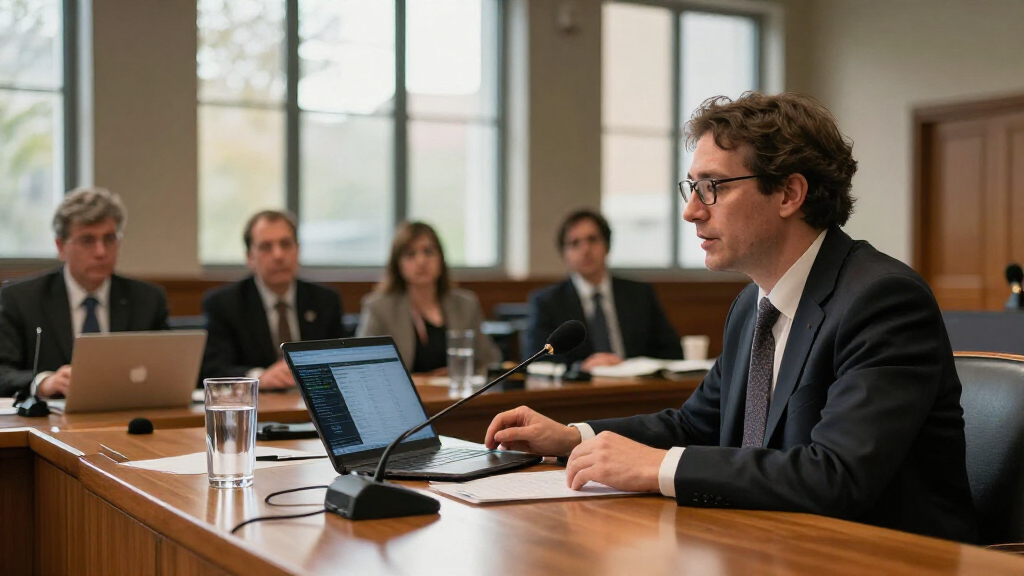
Reserve Bank of Australia Governor Michele Bullock told a Senate committee on October 28 that inflation is likely to be higher than the RBA expected in August. She cited renewed Middle East conflict, rising global energy costs and persistent pressure on domestic capacity, after the bank raised its cash rate target by 25 basis points since its previous hearing.
Reserve Bank of Australia Governor Michele Bullock told a Senate Economics Legislation Committee hearing on October 28 that inflation is likely to be higher than the RBA forecast in August, as renewed energy-price pressures add to domestic inflationary pressures. She also confirmed the Monetary Policy Board had raised the cash rate target by 25 basis points since the committee’s June hearing, bringing the total increase this year to 100 basis points.
In her opening statement, delivered by videoconference, Bullock said the rate increase was intended to return inflation to the midpoint of the RBA’s 2–3 per cent target range. The bank’s policy framework allows some flexibility over the time taken to reach that goal while also pursuing full employment, she said, but prolonged above-target inflation risks feeding into expectations and influencing wages and prices.
Inflation fell from 7.9 per cent at the end of 2022 to within the target range for a period in 2024 and 2025, after monetary policy was tightened substantially in 2022 and 2023. It picked up again in the second half of 2025 and has remained above target, running at around 3½ to 4 per cent in year-ended terms, according to Bullock’s statement.
The RBA’s August forecasts had projected inflation would return to around the target midpoint in late 2027. Bullock said developments since those forecasts point to a higher inflation path than the bank’s earlier base case. She cited a renewed escalation in the Middle East conflict and global energy prices that are now much higher than assumed in August. Higher fuel and transport costs can add to prices directly and indirectly when businesses pass increased expenses on to customers.
Bullock also pointed to elevated short-term inflation expectations and higher costs for some agricultural and technology-related goods. She said extreme weather was adding pressure to some agricultural prices, while demand linked to the global artificial-intelligence boom was raising prices for supply-constrained technologies.
Higher Inflation Could Prolong Rate Pressure
The warning matters because it suggests the RBA’s challenge is not confined to a temporary rise in global fuel costs. Bullock said domestic capacity pressures also remain a source of inflation, even as growth in domestic demand slows. She described underlying price pressures in areas tied to domestic demand, including when volatile movements such as fuel are excluded.
If inflation stays above target for longer, the RBA may need to keep demand subdued to relieve pressure on the economy. Bullock said monetary policy operates with a lag, so the full effect of recent rate increases has not yet been felt in domestic activity. That means households and businesses may still experience the effects of earlier decisions even as the bank weighs new information on prices and growth.
The governor also linked weak productivity growth to the inflation outlook: in her assessment, the economy cannot grow strongly without adding to price pressure if productivity remains weak. She called this a challenge for Australia’s economy and for people’s real spending power. Her comments were an assessment of the outlook, not a new rate decision or a commitment to a specific future move.
Products Worth Considering

LG UltraGear 27-Inch QHD OLED Gaming Monitor, 240Hz, 0.03ms, G-SYNC Compatible, FreeSync Premium Pro, HDMI 2.1

Dell UltraSharp 32 U3226QER 4K Thunderbolt Hub Monitor
Dell UltraSharp 27 Thunderbolt Hub Monitor (U2726DER)
As an affiliate, we earn on qualifying purchases.
Rate Rises and the Inflation Target
The committee hearing was a supplementary budget estimates session and followed the RBA’s previous appearance before the committee in June 2026. Bullock’s opening statement covered monetary policy and the economic outlook, as well as updates on payments and cash distribution; the supplied statement material focuses mainly on inflation and economic conditions.
The RBA aims to keep inflation within a 2–3 per cent range and sets policy with reference to both price stability and full employment. Bullock said inflation had been within that range for a period in 2024 and 2025 before rising again. The bank’s August Statement on Monetary Policy had forecast a return to around the midpoint in late 2027, but the governor said subsequent developments had increased the upside risks.
Those risks include both overseas costs and domestic conditions. Bullock said global energy prices and costs connected with technology and agriculture were adding to pressure, while the RBA’s assessment of the labour market and underlying inflation suggested domestic capacity was tighter than previously judged. She also said weak productivity growth limits how quickly demand can expand without adding to inflation.
“Inflation will therefore likely be higher than was our base case in August.”
— Michele Bullock, RBA governor
Forecast Risks and Rate Decisions
The statement does not give a new numerical inflation forecast or specify how much higher inflation may be than the August projection. Bullock said inflation would likely exceed the earlier base case, but the size and duration of the difference remain unclear from the statement.
It is also uncertain how long global energy prices will remain elevated or how much of the increased cost businesses will pass through to consumers. The statement identifies domestic capacity pressures but does not quantify their contribution relative to imported costs. Nor does it announce a future cash-rate decision. Bullock said growth was slowing as expected and that household spending growth had been moderating gradually, while business investment had picked up strongly, mostly because of data-centre spending. The material provided does not set out the full committee discussion or answers to senators’ questions.
RBA Tracks Prices and Demand
The RBA will continue monitoring inflation, economic activity and the effects of recent interest-rate increases as it works toward its target. Bullock said a further period of subdued aggregate-demand growth was needed to ease capacity pressures and bring inflation down sustainably. The bank’s next policy decisions will depend on how incoming evidence changes its assessment; the opening statement does not set out a timetable or promise a particular rate move.
For readers following the outlook, the key indicators flagged by Bullock include energy and transport costs, underlying inflation excluding large volatile price movements, labour-market conditions, household spending and productivity. The next important development will be how the RBA incorporates these pressures into its updated assessment and communicates whether inflation is moving back toward the target range.
Key Questions
What did the RBA governor tell the Senate committee?
Michele Bullock said inflation is likely to be higher than the RBA’s August base case, citing rising global energy prices and continuing domestic capacity pressures.
How much has the cash rate target increased this year?
Bullock said the Monetary Policy Board had raised the target by 100 basis points in total this year, including a 25-basis-point increase since the committee’s June hearing. The statement does not provide the cash rate’s level.
What inflation target is the RBA aiming for?
The RBA aims for inflation to return to the midpoint of its 2–3 per cent target range, while also taking full employment into account.
Did Bullock announce another rate rise?
No. The opening statement reports the earlier 25-basis-point increase and describes the changed inflation outlook, but it does not announce a new rate decision or specify the timing of a future move.
Source: bis.org