
TL;DR
Financial planning notebooks are essential tools that help you organize, track, and manage your finances. Recent innovations in digital and hybrid options make them more accessible and personalized, boosting your financial literacy and accountability.
Ever try to manage your money without a plan? It’s like trying to navigate a new city without a map. A simple notebook—physical or digital—can turn chaos into clarity. It becomes your personal financial GPS, guiding every dollar and decision.
In this post, you’ll learn how these notebooks work, what makes a good one, and how recent innovations are making them smarter, more flexible, and more motivating than ever. Whether you’re saving for a dream house or just trying to stay afloat, the right notebook can be a game changer.
Choose a notebook style that matches your personality and goals—physical or digital—because consistency depends on comfort.
Regular updates—weekly or monthly—are key to turning tracking into a tool for real change.
Incorporate visuals like charts or color-coding to make data more engaging and easier to interpret.
Use your notebook to set specific, measurable goals, like paying off $2,000 in credit card debt in 6 months.
Celebrate milestones along the way to stay motivated and make the process enjoyable.
What exactly is a financial planning notebook—and why does it matter?
Think of a financial planning notebook as your personal money map. It’s a dedicated space—either a physical notebook, binder, or a digital file—where you record everything from daily expenses to long-term goals. But beyond just recording data, it’s about creating a visual and cognitive framework that helps you interpret your financial habits and patterns. This understanding allows you to identify areas where you might be overspending or under-saving, and to recognize opportunities for adjustment.
For example, noticing your coffee shop visits add up to $150 a month in your notebook isn’t just about the number; it’s a wake-up call. It prompts you to consider whether that expense aligns with your priorities or if reallocating that money could significantly boost your savings. The act of writing things down transforms abstract numbers into tangible insights, empowering smarter decisions.
Recent studies show that people who write down their financial goals are 42% more likely to achieve them. This isn’t just about discipline; it’s about clarity. When you see your goals and habits laid out visually, it becomes easier to stay committed and motivated. The notebook acts as a constant reminder and a feedback loop, making your financial intentions more concrete and actionable.
Deeply, this process emphasizes the importance of self-awareness in financial health. By regularly reviewing your entries, you develop a habit of reflection that helps you recognize behavioral patterns—such as impulsive spending or neglecting savings—that might hinder your progress. The notebook becomes not just a record but a mirror, revealing habits that need change and reinforcing positive ones. This clarity can help you make more informed, strategic decisions, ultimately leading to better financial outcomes and reduced stress.

Budget Planner – Monthly Budget Book with Expense Tracker Notebook, Undated Bill Organizer & Finance Planner to Take Control of Your Money, Account Book to Manage Your Finances-Pink
Effective Budget Planning – Take control of your finances with the budget account book. This comprehensive planner allows…
As an affiliate, we earn on qualifying purchases.
As an affiliate, we earn on qualifying purchases.
How to pick the right financial notebook for your goals
Choosing a notebook isn’t just about aesthetics or convenience; it’s about aligning with your specific financial goals and personal workflow. The right choice enhances consistency and engagement, which are crucial for long-term success. Here’s a deeper look at how to evaluate options:
- Identify your goals: Clarify whether you’re aiming to eliminate debt, build an emergency fund, save for a major purchase, or track daily expenses. Different goals may require different tracking methods. For instance, debt repayment might benefit from a detailed payoff schedule, while daily expenses might be better suited to quick logs. Recognizing your primary focus helps you select a tool that encourages regular use and provides insights tailored to your needs. If you aim to reduce debt, a notebook with dedicated sections for interest rates, minimum payments, and payoff timelines helps you visualize your progress and prioritize payments. For savings goals, visual trackers like graphs or progress bars can motivate continued effort. The key is that your chosen notebook supports your specific objectives and makes the process intuitive, reducing the likelihood of abandonment due to complexity or inconvenience.
- Consider your style: Your comfort with handwriting versus digital input can influence your adherence. Handwritten journals can foster mindfulness and reduce screen time, but digital tools often provide automation and easier data analysis. Think about which format will keep you motivated and consistent. If you prefer the tactile experience, a beautifully designed physical journal with prompts and dedicated sections can deepen your engagement. Conversely, if you tend to forget or lose track of paper, digital options with reminders and auto-calculations can keep you on course. The tradeoff lies in the immediacy and flexibility—digital tools can automatically update totals and provide visual trends, but some users find that the physical act of writing helps reinforce their commitment and understanding. Consider trying both to see which format naturally fits your habits and enhances your motivation.
- Assess your tech comfort: If you’re tech-savvy, digital spreadsheets or budgeting apps offer features like auto-calculations, reminders, and data visualization, which can save time and reduce errors. Conversely, if you prefer simplicity and privacy, physical notebooks might be more effective, especially if you’re prone to digital distractions. The tradeoff here involves weighing convenience against control. Digital tools can offer real-time updates, seamless synchronization with bank accounts, and advanced analytics, but they may require a learning curve and depend on device access. Physical notebooks, while less automated, provide a tactile experience that can enhance mindfulness and reduce the risk of digital fatigue. Your choice should reflect your comfort level with technology, your need for automation, and your desire for privacy.
- Set a budget: While some notebooks and apps are free, premium options may offer enhanced features or aesthetic appeal. Weigh the cost against the value of features like customization, security, and integration. Investing in a quality tool can pay off in sustained motivation and usability, but it’s important to balance cost with actual benefits. For example, a well-designed physical journal with durable pages and customizable sections might encourage consistent use, whereas a free app with limited features could hinder progress if it’s cumbersome or unintuitive. Consider trial periods or free versions first to assess whether the premium features truly add value to your personal finance journey.
- Think about privacy and security: Digital notebooks should have encryption and access controls to protect sensitive information. Physical notebooks should be stored securely away from prying eyes. Understanding tradeoffs here helps ensure your data remains private, which is vital for maintaining trust and compliance with personal privacy standards. Digital security measures like password protection or encrypted files reduce the risk of unauthorized access, especially if you store banking details or passwords. Physical notebooks, while less vulnerable to hacking, can be lost or stolen, so choosing a discreet location or lockable drawer is advisable. The key is to balance accessibility with confidentiality, ensuring your financial information remains protected while remaining convenient enough for regular use.
Deeply, selecting the right notebook involves understanding your behavioral tendencies and how different tools can influence your habits. For example, a digital spreadsheet with automatic alerts might help a forgetful spender stay on track, while a tactile journal could foster mindfulness and reflection for someone who benefits from slower, deliberate recording. Recognizing these nuances ensures your chosen method supports sustained engagement and meaningful progress towards your financial goals.
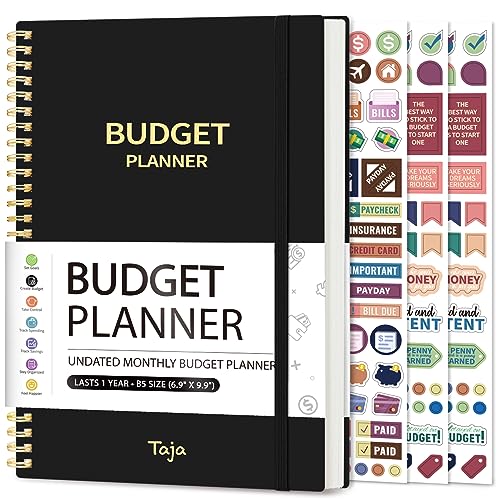
Budget Planner – Monthly Budget Book with Expense Tracker Notebook, Undated Bill Organizer & Finance Planner to Take Control of Your Money, Account Book to Manage Your Finances-Black
Effective Budget Planning – Take control of your finances with the budget account book. This comprehensive planner allows…
As an affiliate, we earn on qualifying purchases.
As an affiliate, we earn on qualifying purchases.
Frequently Asked Questions
Should I use a physical or digital financial planning notebook?
It depends on your style. Physical notebooks offer a tactile experience and privacy, while digital options provide automation, easy updates, and seamless sharing. Choose what keeps you consistent.How often should I review my financial notebook?
Ideally, weekly or bi-weekly. Regular reviews help you catch mistakes early, adjust budgets, and stay motivated by seeing progress.Can a financial notebook really help me pay off debt?
Yes. Tracking your debts, setting repayment goals, and monitoring your progress in your notebook can significantly boost your motivation and accelerate payoff time.What should I include in my financial planning notebook?
Include income, expenses, savings goals, debts, investments, and notes on strategies or reflections. Making it comprehensive helps you see the full picture.Are there any recommended templates or tools?
Popular options include Excel spreadsheets, budgeting apps like YNAB or Mint, and printable templates from financial blogs. Find one that fits your style and goals.
App Spending Tracker Log Book: Track In-App Purchases, Monitor App Expenses, and Stay in Control of Your Digital Spending
As an affiliate, we earn on qualifying purchases.
As an affiliate, we earn on qualifying purchases.
Conclusion
Your financial journey doesn’t have to be overwhelming. The right notebook—crafted to fit your style—turns complex numbers into clear, actionable steps. Use it to stay organized, motivated, and on track toward your goals.
Think of it as your personal command center for money. With each entry, you get closer to the financial peace you’re aiming for. Grab that notebook, and start turning your money mess into a masterpiece.
This content is for general information only and is not financial, tax or legal advice. Consult a qualified professional for decisions about your money.Budget Planner – Monthly Budget Book with Expense Tracker Notebook, Undated Bill Organizer & Finance Planner to Take Control of Your Money, Account Book to Manage Your Finances-Black
Effective Budget Planning – Take control of your finances with the budget account book. This comprehensive planner allows…
As an affiliate, we earn on qualifying purchases.
As an affiliate, we earn on qualifying purchases.