Beginners comparing The Index Card by Helaine Olen and Harold Pollack with Ramit Sethi’s I Will Teach You to Be Rich are choosing between simplicity and implementation. Both books challenge the idea that personal finance requires expert knowledge, and both steer readers toward practical decisions about saving, debt, and investing. Their difference is how much guidance they provide: The Index Card compresses its advice into a short list of durable rules, while Sethi lays out a longer sequence for organizing accounts, automating bills and savings, and investing for the long term.

Get smart everyday buys delivered free with Prime
- Fast, free delivery on millions of items
- Prime Video, Amazon Music and more included
- Member-only deals all year

Financial Literacy Essentials for Dummies
- ✔ Format: Paperback
- ✔ Audience: Beginners
- ✔ Writing approach: Jargon-free explanations
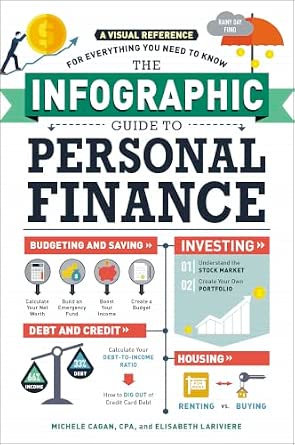
The Infographic Guide to Personal Finance: A Visual Reference
- ✔ Format: Visual reference
- ✔ Presentation: Infographics
- ✔ Audience: Readers who prefer visual learning
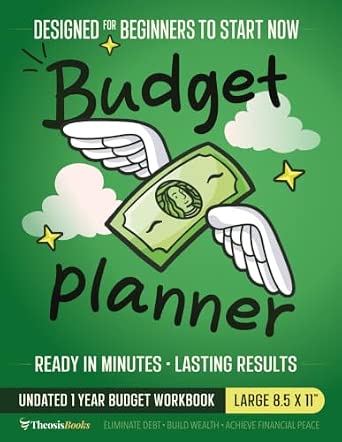
Achieve Financial Peace Budget Planner – 12-Month Practical Debt Workbook for Beginners (Large)
- ✔ Format: Budget planner and workbook
- ✔ Size: Large
- ✔ Audience: Beginners
Choose The Index Card if you want a quick, inexpensive starting point and can turn broad principles into your own plan. Choose I Will Teach You to Be Rich if you want a more detailed playbook and are willing to adapt its examples to your circumstances. The tradeoff is not simply short book versus long book: it is how much structure you need before you can act.
At a Glance
| Criteria | The Index Card by Helaine Olen and Harold Pollack | I Will Teach You to Be Rich by Ramit Sethi | Winner |
|---|---|---|---|
| Scope and format | A compact set of personal finance rules and explanations | A fuller personal finance program organized around money tasks | B |
| Actionable setup | Principles to apply; fewer step-by-step account routines | Detailed guidance on accounts, automation, saving, and investing | B |
| Investing guidance | Favors broad, low-cost investing principles | More practical direction for establishing a long-term portfolio | B |
| Debt and spending | Covers core choices without an extended spending system | Direct advice on debt, spending, and conscious priorities | B |
| Time commitment | Short and easy to finish | Longer read with more exercises and decisions | A |
| Adaptability | Broadly applicable, though readers must fill in details | Useful framework, but examples and account details may need updating | A |
| Value | Usually the lower-cost, lower-time entry point | Worth more when readers use its structure to make changes | Depends |
Financial Literacy Essentials for Dummies
For a beginner who wants one place to start, Financial Literacy Essentials for Dummies has the broadest role in this lineup. Its plain-language treatment of budgeting, saving, investing, and debt management gives readers a map of several everyday financial decisions instead of steering them immediately into just one. Practical tips and real-world examples are intended to help connect those topics with choices a reader may face.That breadth is why we rank it ahead of The Infographic Guide to Personal Finance: it is positioned as an explanatory guide, while the infographic title is designed for concise visual reference. A reader who prefers diagrams and quick scans may find the visual book easier to revisit, but those looking for fuller introductory explanations are better matched here. Compared with the debt planner, this book also offers a wider view, although it does not provide the same year-long worksheet structure for tracking progress.Its beginner focus is also its main limitation. Readers already comfortable with the basics may find parts too introductory, and the description signals limited depth on complex investing. Real-world examples can also age, so readers should treat them as learning aids rather than timeless guidance. We see it as the strongest all-around entry point in this set, provided the goal is to build literacy before seeking specialized or advanced planning.
Pros:
- Explains core money topics in jargon-free language.
- Covers budgeting, saving, investing, and debt management.
- Practical tips and examples connect concepts to everyday decisions.
- Portable paperback format can serve as a reference.
Cons:
- May feel too basic to readers with established financial knowledge.
- Does not offer deep treatment of complex investment strategies.
- Examples may become dated over time.
Best for: New readers who want plain-language orientation across budgeting, saving, investing, and debt management.
Not ideal for: Readers who already know personal finance basics or want detailed investment strategies and a structured debt-tracking workbook.
Bottom line: We recommend it as the most rounded first read here for beginners who need a clear introduction across several areas of personal finance.
“We recommend it as the most rounded first read here for beginners who need a clear introduction across several areas of personal finance.”
The Infographic Guide to Personal Finance: A Visual Reference
The Infographic Guide to Personal Finance earns its place for readers who find a visual overview more approachable than long explanations. It uses infographics to present budgeting, saving, investing, credit, and retirement basics. That gives a beginner a chance to see the main subject areas together and return to a topic as a quick reference, rather than work through a year of exercises.Compared with Financial Literacy Essentials for Dummies, the advantage is its visual, concise presentation; the compromise is less room to build detail. It may be easier to scan when we want a refresher, but it is not described as offering the same practical tips and real-world examples. Against the debt planner, it has a broader range of topics, including credit and retirement, but lacks the planner’s step-by-step worksheets for recording decisions and progress.This format makes the most sense when the barrier is getting oriented, especially for people who absorb information better through diagrams. It is less persuasive as a sole guide for readers who need extensive explanations, a detailed strategy, or help staying accountable over time. Its static images also cannot adapt to questions or personal circumstances. We rank it second because it offers a useful broad snapshot, but not the same depth of instruction as the top pick.
Pros:
- Visual explanations make unfamiliar concepts more approachable.
- Covers budgeting, saving, investing, credit, and retirement basics.
- Organized for quick reference rather than cover-to-cover study.
- Compact format is suited to brief lookups.
Cons:
- Concise presentation limits depth on advanced financial strategies.
- Static infographics do not respond to questions or personal circumstances.
- Provides less hands-on planning structure than the debt workbook.
Best for: Visual learners who want a concise overview of major personal finance topics and an easy-to-scan reference.
Not ideal for: Readers seeking detailed step-by-step instruction, interactive learning, or a guided system for tracking debt and spending.
Bottom line: We would choose this visual reference when quick comprehension matters more than detailed instruction or guided practice.
“We would choose this visual reference when quick comprehension matters more than detailed instruction or guided practice.”
Achieve Financial Peace Budget Planner – 12-Month Practical Debt Workbook for Beginners (Large)
When the immediate goal is to organize a budget and tackle debt, Achieve Financial Peace Budget Planner offers the most action-oriented format in this group. The description highlights step-by-step guidance, budgeting templates, and worksheets covering a 12-month period. Its large format is intended to leave room for notes and calculations, making it a workbook to write in rather than simply read for an overview.That narrow focus is the reason we place it third in a roundup of beginner financial planning books, even though it may be the most useful choice for a specific situation. Financial Literacy Essentials for Dummies introduces several foundational topics, and The Infographic Guide to Personal Finance also touches on investing, credit, and retirement basics. This planner, by contrast, concentrates on budgeting and debt. If debt repayment is the urgent task, the worksheets may make it more practical than either general guide; if we want a broad financial education, its scope leaves important areas out.The workbook format also asks for sustained participation. Readers who prefer to learn by reading or who do not want to maintain a written plan may not use it consistently, and its beginner-level guidance may not meet advanced needs. We recommend it as a companion for someone ready to record income, expenses, and debt progress, rather than as the only book needed for long-term financial planning.
Pros:
- Step-by-step format supports beginner debt-management work.
- Budget templates and worksheets encourage hands-on planning.
- Covers a 12-month planning period.
- Large format provides space for notes and calculations.
Cons:
- Focuses on debt and budgeting rather than broad financial planning.
- May be too basic for readers with advanced financial knowledge.
- Requires active, ongoing use to benefit from the worksheets.
Best for: Beginners who want to work through budgeting and debt management with a year of structured worksheets and room to write.
Not ideal for: Readers seeking a broad introduction to investing, retirement, credit, or financial planning beyond debt and budgeting.
Bottom line: We recommend this workbook when debt and budgeting are the immediate priorities and a reader is ready to track progress throughout the year.
“We recommend this workbook when debt and budgeting are the immediate priorities and a reader is ready to track progress throughout the year.”
As an Amazon Associate we earn from qualifying purchases.
Key Differences
The biggest difference is the distance between understanding a principle and putting it into practice. The Index Card is designed to make the principles memorable: live within your means, save, use sensible investments, and be cautious about fees and financial products. That can be enough for a reader who already has basic money habits or wants a quick reset. It is less helpful if the hard part is deciding what to do first, which accounts to open, or how to turn an intention to save into a recurring routine.
I Will Teach You to Be Rich spends more time on those practical steps. Sethi’s framework asks readers to organize their finances, automate recurring decisions, and make deliberate choices about spending and saving. That extra detail makes it the stronger single-book guide for many beginners, especially those who benefit from a sequence rather than a list of rules. Its examples are rooted in a particular financial system and period, though, so readers should check current account terms, tax rules, and product availability instead of treating every named provider or threshold as timeless.
For value, the short book wins on cost and reading time; the longer one can deliver more value if its instructions lead to a working financial routine. Neither book replaces advice tailored to complex taxes, business ownership, or unusual debt situations. For a beginner who wants one book to move from confusion to a basic plan, Sethi’s greater detail is usually worth the extra time. For someone who only needs a clear set of reminders, the compact book is the better buy.
Detailed Comparison
Scope and format (I Will Teach You to Be Rich by Ramit Sethi wins — moderate)
The Index Card is the more concise read, presenting a manageable set of financial rules and explaining why they matter. I Will Teach You to Be Rich covers more ground as a program, taking readers through multiple money tasks and choices. B wins by a moderate margin for breadth: readers seeking a complete beginner path get more context, while A is easier to absorb in a few sittings. The practical difference is whether you want a reference list or a guided course of action.
Actionable setup (I Will Teach You to Be Rich by Ramit Sethi wins — major)
Sethi gives more explicit direction on organizing accounts and automating regular financial tasks. The Index Card offers useful principles but leaves more of the setup to the reader. B wins by a major margin for someone who needs concrete next steps; the book can help convert goals into recurring actions. A may be enough if the reader already knows how to manage accounts and mainly needs a reminder of sound priorities.
Investing guidance (I Will Teach You to Be Rich by Ramit Sethi wins — moderate)
Both books favor sensible long-term investing over chasing complicated products or quick gains. Sethi offers more explanation for putting an investment routine in place, so B wins by a moderate margin for a beginner seeking implementation help. The Index Card has the advantage of brevity and broad principles, but it provides less of a step-by-step route from saving to investing. Neither book should be treated as individualized investment advice.
Debt and spending (I Will Teach You to Be Rich by Ramit Sethi wins — moderate)
Sethi gives readers a more developed framework for balancing spending priorities, debt, and saving. The Index Card addresses the core choices in a more compressed form. B wins by a moderate margin when the reader wants a system to review spending and decide what to automate or reduce. A remains appealing to readers who want the basic direction without a longer discussion of spending habits.
Time commitment (The Index Card by Helaine Olen and Harold Pollack wins — major)
The Index Card is substantially quicker to read and easier to revisit. I Will Teach You to Be Rich requires more attention because it includes more explanation and tasks. A wins by a major margin for readers with limited time or low tolerance for extended personal finance books. The tradeoff is that speed comes with less help applying each principle.
Adaptability (The Index Card by Helaine Olen and Harold Pollack wins — minor)
The broad rules in The Index Card travel well across different circumstances, though readers still have to decide how to apply them. Sethi’s practical examples can be easier to follow, but financial products and account details vary by country and change over time. A wins by a minor margin for readers outside the book’s core setting or those who prefer general guidance. Readers of either book should verify current rules and terms before acting.
Value (moderate difference)
The Index Card generally asks less in money and reading time, making it strong value for a reader who needs a compact foundation. Sethi’s book costs more in time and may cost more to buy, but offers more structure and examples. The winner depends on follow-through: B is better value if the reader uses its system to change habits; A is better value if a concise reminder is all that is needed. Paying more for detail makes sense only when that detail helps you act.
The Index Card by Helaine Olen and Harold Pollack: Pros and Cons
Pros:
- Short, approachable overview of core personal finance principles
- Lower time commitment and often lower purchase cost
- Broad rules are easy to revisit and adapt
Cons:
- Less step-by-step help setting up accounts and routines
- Readers must translate principles into a personal plan
- Less depth for beginners who need help prioritizing actions
I Will Teach You to Be Rich by Ramit Sethi: Pros and Cons
Pros:
- Detailed framework for organizing finances and automating tasks
- More practical direction on spending, saving, debt, and investing
- Better suited to readers who want to act while they read
Cons:
- Longer and more demanding to work through
- Some examples and product references may need current verification
- Readers outside its assumed financial system may need to adapt details
Who Should Choose What
Choose The Index Card by Helaine Olen and Harold Pollack if:
- You want a short first book that lays out enduring money principles.
- You already manage basic finances and need a concise guide to check your choices.
- You prefer broad advice and are comfortable researching the details yourself.
Choose I Will Teach You to Be Rich by Ramit Sethi if:
- You want step-by-step help turning financial goals into recurring routines.
- You are starting from scratch and need a sequence for organizing accounts, saving, and investing.
- You are willing to spend more time reading and adapt examples to current local options.
Skip both if: Neither is a substitute for tailored help with insolvency, complex taxes, legal questions, or a financial situation that requires advice specific to your country and circumstances.
Value for Money
The Index Card is the better low-cost value when the goal is to learn a small set of reliable principles quickly. Its short format lowers the chance that the book itself becomes another unfinished project. I Will Teach You to Be Rich can justify a higher purchase price and greater time investment for readers who need a practical sequence and will follow through on its tasks. Paying more makes sense when the extra structure helps you build habits; if you only want a clear overview, that additional detail may go unused.
Final Verdict
For most beginners choosing just one book, I Will Teach You to Be Rich is the stronger starting point because it gives more help turning financial goals into a functioning routine. Choose it if you want practical steps for organizing, automating, and reviewing your money, while checking that examples still fit your local rules and current products. Choose The Index Card if you value a concise set of principles, have little reading time, or already know how to put financial advice into practice. The deciding factor is how much structure you need: Sethi gives more guidance, while Olen and Pollack offer the quicker, cheaper reminder.
Frequently Asked Questions
Which is better for a complete beginner?
I Will Teach You to Be Rich is generally better if you need help turning concepts into steps. The Index Card is a good first read if you want a short overview and can fill in the practical details yourself.
Can these books help me start investing?
Both support long-term, sensible investing rather than complicated speculation. Sethi gives more help establishing an investing routine, while The Index Card emphasizes broad principles. Check current tax rules, fees, and investment options before making decisions.
Is the longer book worth paying more for?
It is worth the extra cost if the added structure helps you organize accounts, automate saving, and make decisions you have been postponing. If you need only a quick set of guidelines, the shorter book offers better value.
Which book is more suitable outside the United States?
The Index Card relies more on general principles and may be easier to adapt. Sethi’s framework can still help, but account names, tax rules, and product examples may not apply in another country.