
Dynamic pricing models use your browsing behaviour and market signals to automatically adjust prices in real-time, helping you increase revenue. By analyzing user data, these models personalize offers, create urgency through scarcity tactics, and respond quickly to competitor moves. They balance customer satisfaction with profitability, making prices more relevant and fair. If you want to discover how to implement these strategies effectively, there’s more to explore beyond this overview.
Key Takeaways
- Dynamic pricing adjusts real-time prices based on user behavior, market demand, and competitor actions to optimize revenue.
- Personalization tailors offers and prices to individual browsing and purchase patterns, increasing conversion likelihood.
- Incorporating pricing psychology, like scarcity cues and perceived value, motivates quicker purchases and higher spending.
- Swift reactions to market shifts and competitor pricing help maintain competitiveness and maximize profit margins.
- Combining personalization with psychological tactics creates a responsive, user-centric pricing model that boosts website revenue.
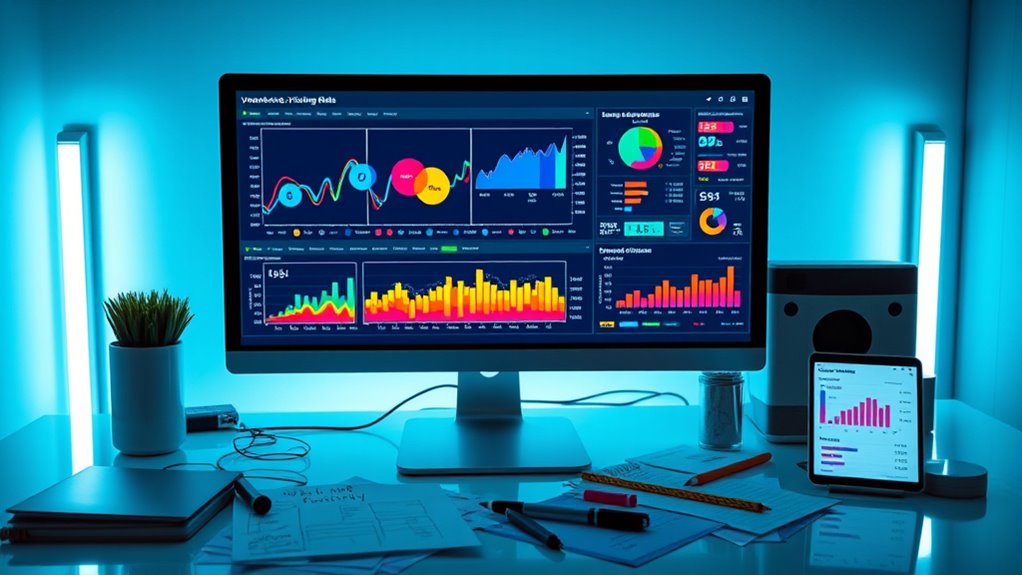
Dynamic pricing models are strategies that adjust the prices of products or services in real-time based on market demand, competitor actions, and other relevant factors. As a website owner or marketer, you can harness these models to optimize revenue by leveraging user behavior. By analyzing how visitors interact with your site—what they browse, how long they stay, and their purchase patterns—you can implement personalization strategies that make pricing more appealing and tailored to individual preferences. This approach not only enhances user experience but also encourages conversions, as customers perceive the prices as more relevant and fair.
Adjust prices in real-time by analyzing visitor behavior to boost relevance and conversions.
Incorporating pricing psychology into your dynamic pricing framework can profoundly influence buying decisions. For example, when you adjust prices based on perceived value or urgency, you tap into subconscious triggers that motivate purchases. If a customer is browsing a product repeatedly, you might slightly lower the price or highlight limited-time offers, triggering a sense of scarcity and urgency. Conversely, for high-value or loyal customers, you might offer personalized discounts, reinforcing their perceived value and strengthening brand loyalty. These subtle manipulations rely on understanding how different pricing points and messaging impact user perceptions and behavior.
Personalization strategies are vital because they enable you to present prices that resonate with individual users’ willingness to pay. Using data collected from user interactions, you can dynamically customize prices, offers, and bundles that align with each visitor’s browsing history and purchase intent. For instance, a user who frequently shops for premium products might see higher price points, while a bargain hunter could be shown discounted options. This tailored approach increases the likelihood of a sale, as customers feel understood and valued, which in turn boosts their confidence in making a purchase.
Moreover, real-time data allows you to react swiftly to market fluctuations and competitor pricing changes. If a competitor drops their prices, your system can respond by adjusting your own prices, ensuring you stay competitive without sacrificing margins. Simultaneously, you can use user behavior insights to decide when to hold prices steady or offer special deals, balancing profitability with customer satisfaction. Additionally, understanding the importance of trustworthiness in a brand can lead you to incorporate transparency and quality signals into your pricing strategies to further build customer confidence.
Implementing dynamic pricing based on user behavior requires a sophisticated understanding of both your audience and market dynamics. When you combine personalization strategies with pricing psychology, you create a compelling, responsive pricing system that maximizes revenue and enhances customer engagement. This approach transforms static pricing models into a dynamic, customer-centric tool that adapts seamlessly to changing conditions, ultimately driving more sales and fostering long-term loyalty.

FIFINE AmpliGame AM8 USB/XLR Dynamic Microphone for Gaming Streaming
- Natural Audio Clarity: 50Hz-16KHz frequency response for balanced sound
- Directional Cardioid Microphone: Rejects off-axis noise for clear vocals
- XLR Connection Upgrade: Connects to audio interface for versatile use
As an affiliate, we earn on qualifying purchases.
Frequently Asked Questions
How Do Dynamic Pricing Models Impact Customer Trust Long-Term?
Dynamic pricing models can positively or negatively impact your customer perception long-term, depending on how transparent you are. If you communicate clearly about pricing strategies and maintain transparency, customers are more likely to trust your brand. However, if they feel prices are unpredictable or unfair, trust erodes. Prioritize honest communication and consistent pricing to foster loyalty and assure long-term trust in your website’s pricing approach.
What Legal Considerations Exist With Dynamic Pricing Strategies?
You should know that around 40% of consumers worry about unfair pricing, highlighting legal concerns. With dynamic pricing, you face antitrust concerns if prices unfairly manipulate markets or suppress competition. Additionally, you must prioritize consumer protection by clearly explaining pricing changes and avoiding deceptive practices. Staying transparent and compliant minimizes legal risks, helping you build trust and avoid costly lawsuits or penalties.
How Can Small Businesses Implement Dynamic Pricing Effectively?
You can implement dynamic pricing effectively by leveraging pricing psychology to influence customer perceptions and boost sales. Start with competitor analysis to understand market rates and identify opportunities for flexible pricing. Use data on user behaviour to adjust prices in real-time, ensuring they align with demand and customer expectations. Keep transparency and fairness in mind to build trust, and regularly monitor results to refine your strategies for maximum revenue growth.
What Are the Risks of Over-Relying on User Behaviour Data?
You risk privacy concerns and data bias when over-relying on user behaviour data. Imagine a delicate balance, like walking a tightrope between personalization and intrusion. Excessive focus on data can alienate customers, making them wary of privacy breaches. Biases in data may lead to unfair pricing, harming trust and reputation. So, while data-driven strategies boost revenue, you must be cautious to safeguard privacy and ensure fairness.
How Does Real-Time Analytics Improve Dynamic Pricing Accuracy?
Real-time analytics boost dynamic pricing accuracy by enabling you to quickly interpret user behaviour data through data visualization tools. You can conduct A/B testing to compare different pricing strategies and see which performs best. This immediate feedback allows you to adjust prices on the spot, optimizing revenue and customer satisfaction. By continuously refining your approach with real-time insights, you stay agile and responsive to market fluctuations and user preferences.

Logitech Creators Blue Yeti USB Microphone for PC, Mac, Gaming, Recording, Streaming, Podcasting, Studio and Computer Condenser Mic with Blue VO!CE effects, 4 Pickup Patterns, Plug and Play - Blackout
- Custom three-capsule array: Broadcast-quality sound for various uses
- Blue VO!CE software: Enhanced effects and HD audio samples
- Four pickup patterns: Versatile recording options for different scenarios
As an affiliate, we earn on qualifying purchases.
Conclusion
By harnessing user behavior, you turn your website into a finely tuned orchestra, where each note adapts to the audience’s mood. Dynamic pricing models let you strike the perfect chord between customer satisfaction and revenue growth. As you implement these strategies, remember—you’re not just adjusting prices, you’re orchestrating an experience that resonates with your visitors. Embrace this approach, and watch your website’s revenue soar like a symphony reaching its crescendo.

MAONO PD200W Hybrid Wireless Podcast Microphone for PC, Dynamic XLR USB Mic
- Wireless, USB, XLR Connectivity: Three broadcast audio options
- Studio-Quality Vocal Reproduction: Premium 30mm dynamic capsule with cardioid pickup
- High Signal-to-Noise Ratio: 82dB for clear audio
As an affiliate, we earn on qualifying purchases.

FIFINE AmpliGame AM8T XLR/USB Gaming Microphone Set, Dynamic PC Mic
- Connectivity Options: USB and XLR compatibility for versatile use
- RGB Lighting: Customizable RGB lights for gaming setup
- Easy Control: Mute button, gain knob, and volume control
As an affiliate, we earn on qualifying purchases.