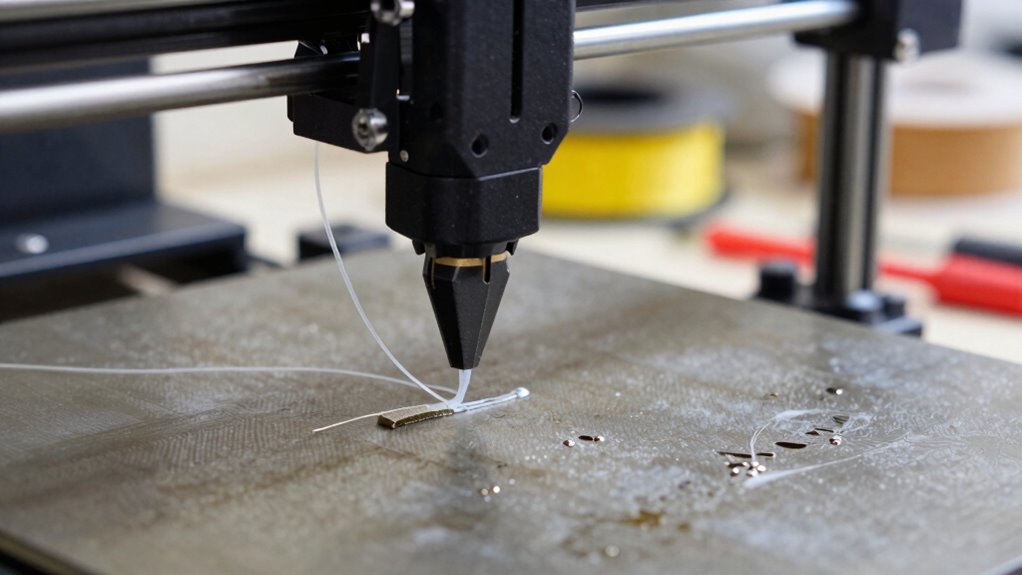

One major mistake that slows small sellers down is neglecting proper material selection and bed adhesion techniques. Using low-quality filament or ignoring how your chosen material interacts with your print bed can lead to warping, brittle prints, or failed projects. This wastes time, increases costs, and delays deliveries, putting you at a disadvantage. If you keep overlooking these key points, you risk falling behind competitors. Keep exploring—you’ll discover even more ways to improve your print success rate.

Get smart everyday buys delivered free with Prime
- Fast, free delivery on millions of items
- Prime Video, Amazon Music and more included
- Member-only deals all year
Key Takeaways
- Using low-quality filament leads to brittle, deformed prints, causing delays and increased rework for small sellers.
- Poor bed adhesion results in print failures like warping or shifting, slowing production and wasting materials.
- Inadequate bed leveling and cleanliness can cause inconsistent print quality and delays.
- Ignoring environmental factors such as temperature and humidity affects adhesion and overall print success.
- Not troubleshooting material-specific issues promptly prolongs print times and hampers efficiency.
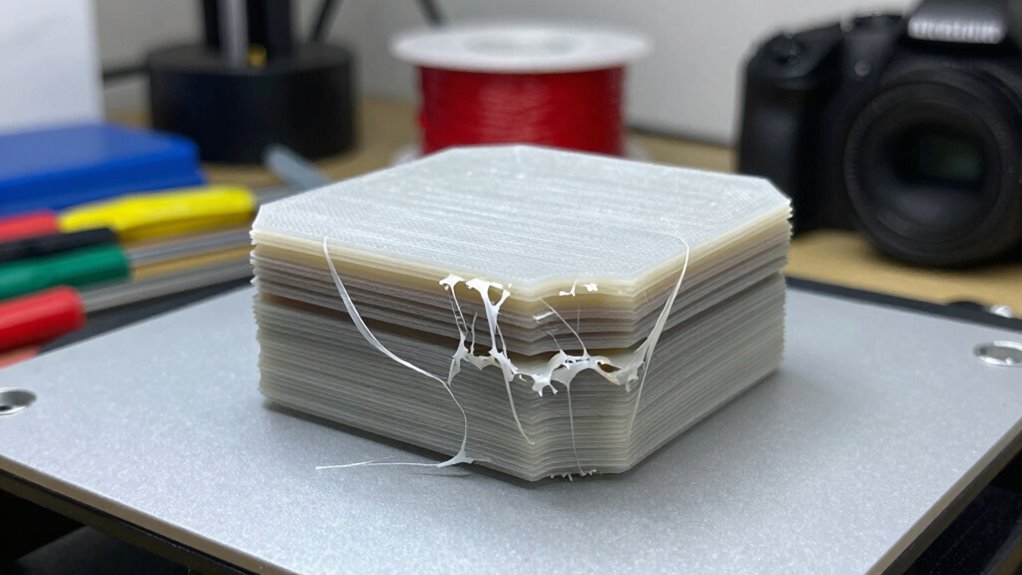
Starting a 3D printing business can be exciting, but small sellers often stumble into common mistakes that hinder their success. One of the most overlooked issues is neglecting proper material selection and print bed adhesion. These factors may seem basic, but they’re vital for producing high-quality prints consistently. When you choose the wrong filament or ignore how well your model sticks to the print bed, you risk failed prints, wasted time, and increased costs.
Material selection directly impacts the strength, flexibility, and finish of your final product. Not all filaments are created equal, and choosing the right one depends on your specific project needs. For example, if you’re printing detailed prototypes, a filament with good resolution and low warping is essential. If durability matters, you might opt for ABS or PETG over PLA. Failing to *pay attention to* these differences can lead to brittle or deformed prints, wasting both material and effort. It’s tempting to go for the cheapest filament, but that often results in problems down the line. Instead, do some research and invest in quality materials suited for your projects, which will save you headaches later.
Another critical aspect tied closely to material choice is print bed adhesion. If your print doesn’t stick properly to the bed, you’ll encounter warping, shifting, or complete print failure. Starting out, you might overlook this step or assume that the default settings will suffice. However, each filament and printer setup requires tailored bed preparation. Using a proper adhesion method, like a heated bed, glue stick, or specialized build surface, can make all the difference. For small sellers, especially those working with intricate or large models, poor adhesion leads to frustration and material waste. You need to *take into account* your bed is level and clean before each print, and sometimes adjusting the bed temperature or applying an adhesion aid can help maintain stability throughout the process. Additionally, understanding material properties and their influence on adhesion can significantly improve your success rate. Recognizing how different filament characteristics affect bed adhesion can help you troubleshoot problems more effectively and achieve more consistent results. Being aware of print environment factors, such as room temperature and humidity, can also influence adhesion and overall print quality.
high quality 3D printer filament
As an affiliate, we earn on qualifying purchases.
As an affiliate, we earn on qualifying purchases.
Frequently Asked Questions
How Can I Identify if My 3D Printer Is Causing Delays?
You can identify if your 3D printer is causing delays by monitoring print quality and consistency. Look for frequent filament jams or print failures, which often stem from poor filament storage or design issues. Make design improvements to optimize print settings and guarantee your filament is stored properly in a dry, airtight container. These steps will help you spot and fix problems early, reducing delays and improving overall efficiency.
What Are the Best Troubleshooting Steps for Common 3D Printing Errors?
To troubleshoot common 3D printing errors, start by checking your filament quality—poor filament can cause inconsistent extrusion. Next, make sure your nozzle is properly calibrated, as misalignment leads to print defects. Clean the nozzle regularly to prevent clogs, and verify your bed leveling for adhesion issues. Adjust print speed and temperature settings based on filament specifications. These steps help you identify and fix issues quickly, improving print quality.
How Does Material Choice Affect Print Speed and Quality?
Your material choice directly impacts print speed and quality. When selecting filament, consider material compatibility with your printer to prevent issues. Flexible filaments, like TPU, often require slower speeds for precise results, while rigid plastics like PLA or ABS allow faster printing. Using the right material guarantees smoother prints, reduces errors, and improves overall quality. Always match filament flexibility and compatibility to your project needs for ideal results.
Are There Specific Settings to Optimize for Faster 3D Printing?
Imagine you’re living in the 21st century’s equivalent of a Gutenberg printing press—speed matters! To optimize for faster 3D printing, tweak your settings like layer height, print speed, and infill density. Make sure filament storage is dry to prevent jams, and regularly calibrate your nozzle for accuracy. These adjustments help you print faster without sacrificing quality, keeping your small business ahead of the game.
What Maintenance Routines Prevent Slowdowns in 3D Printing?
You should regularly clean your print bed and nozzle to prevent clogs and adhesion issues. Implement post-processing techniques like removing debris and smoothing surfaces to maintain quality. Proper filament storage, kept in dry, airtight containers, prevents moisture buildup that can cause slowdowns. Additionally, periodically checking and replacing worn parts, like extruders or belts, keeps your printer running smoothly and avoids unnecessary delays. Consistent maintenance guarantees your 3D prints stay fast and reliable.
As an affiliate, we earn on qualifying purchases.
Conclusion
Avoiding common 3D printing mistakes can markedly boost your small business’s growth. Did you know that nearly 30% of small sellers face delays due to simple printing errors? By paying attention to details like calibration and material choice, you can reduce these setbacks. Stay proactive, learn from mistakes, and optimize your process. Small adjustments today can lead to faster production, happier customers, and a stronger, more competitive business tomorrow.
heated print bed for 3D printers
As an affiliate, we earn on qualifying purchases.
As an affiliate, we earn on qualifying purchases.
As an affiliate, we earn on qualifying purchases.
Halloween Picks
halloween
As an affiliate, we earn on qualifying purchases.