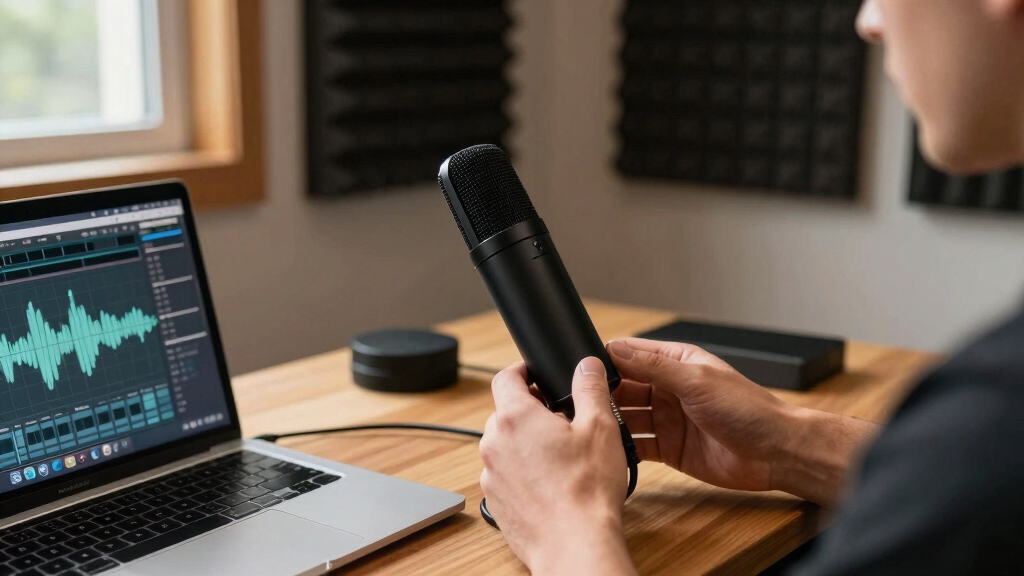

For those seeking the best premium podcast microphones, quality and reliability are paramount. The Shure SM7B stands out as the top overall pick for its warm, studio-grade sound and durability, ideal for serious broadcasters. The Elgato Wave:3 offers high-quality USB convenience perfect for streamers and content creators who want professional sound without complex setup. Meanwhile, the Shure MV7+ blends USB and XLR options, making it versatile for both beginner and advanced setups. The main challenge in this category is balancing premium sound with usability and price — more expensive models often require more setup, while simpler options might sacrifice some audio fidelity. Continue reading for detailed insights to help you find the best fit for your needs.
Key Takeaways
- Top-tier microphones like the Shure SM7B dominate for studio-quality sound but require additional equipment and setup.
- USB models such as the Elgato Wave:3 provide excellent premium quality with plug-and-play simplicity, ideal for streamers.
- Versatility matters — models like the Shure MV7+ offer both USB and XLR options, appealing to users who want future upgrade paths.
- Build quality and durability are key in premium picks, with many models designed to withstand prolonged use in professional environments.
- Price differences often reflect added features like dual connectivity, built-in pop filters, or advanced software integrations.




More Details on Our Top Picks
Shure MV6 Gaming Microphone – Dynamic USB Mic for PC Gaming & Streaming with Tap-to-Mute, Noise Cancellation, Desktop Stand & 3.5mm Headphone Monitoring, Black
The Shure MV6 stands out for its professional-grade sound quality combined with plug-and-play simplicity, making it ideal for gamers, streamers, and podcasters who want high-quality audio without fiddling with drivers. Compared to the FIFINE XLR/USB, the MV6 offers superior clarity and noise rejection thanks to its dynamic capsule and advanced voice-isolation tech, though it’s less flexible in terms of connection options. Its real-time monitoring, tap-to-mute, and built-in denoising set a high standard for stream-ready microphones. The main tradeoff is that it is primarily a USB-C mic, which might limit compatibility with older devices, and it lacks some of the customizable sound effects of higher-end models like the Blue Yeti. This mic makes the most sense for users who prioritize professional sound with ease of use and minimal setup, especially for gaming and streaming.
Pros:- Excellent noise cancellation and voice isolation for clear audio
- Simple plug-and-play setup with USB-C and 3.5mm monitoring
- Built-in real-time denoiser and instant mute controls
Cons:- Limited connection options—only USB-C and 3.5mm output
- Lacks customizable sound effects compared to higher-end mics
Best for: Content creators, gamers, and streamers seeking a reliable, easy-to-use microphone with professional audio quality.
Not ideal for: Audio engineers or musicians requiring XLR connectivity or advanced sound shaping features.
- Connectivity Technology:USB-C and 3.5mm
- Microphone Type:Dynamic
- Pickup Pattern:Cardioid
- Frequency Response:Not specified
- Sample Rate:Not specified
- Dimensions:12.6 x 4.72 x 1.97 inches
- Weight:1 Kilogram
Bottom line: Ideal for streamers and gamers who need professional sound quality with straightforward operation.
FIFINE XLR/USB Gaming Microphone Set, Dynamic PC Mic for Streaming Podcasting, Computer RGB Mic Kit with Boom Arm Stand, Mute Button, Headphones Jack, for Recording Vocal Voice-Over-AmpliGame AM8T
Compared with the Shure MV6, the FIFINE AM8T offers a surprisingly high-quality sound at a fraction of the price, including a full kit with a boom arm, making it perfect for beginners or those upgrading from lower-tier mics. Its plug-and-play USB-C connection is very convenient, though some users report minor issues with the included cable’s audio clarity; switching to a USB-C to USB-C cable can resolve this. The RGB lighting adds a fun visual element, and the mute button, gain control, and headphones jack provide essential live control features. The main tradeoff is that it’s slightly less refined than higher-end models like the Blue Yeti or Shure MV7X in terms of audio nuance and noise rejection, but it’s more than adequate for streaming and casual recording. This makes it perfect for newcomers or casual content creators who want good quality without a hefty investment.
Pros:- Excellent value with a full kit including boom arm and accessories
- Good sound clarity for casual streaming and gaming
- Easy USB-C connection and simple setup
Cons:- Minor audio crackle with the included USB-C to USB-A cable (solved with an upgrade)
- Less nuanced sound quality compared to premium mics like the Blue Yeti
Best for: Beginner streamers, gamers, and podcasters on a budget who want a complete setup with decent audio quality.
Not ideal for: Professional voice-over artists or musicians needing XLR inputs and studio-grade sound processing.
- Connectivity Technology:USB-C and XLR (via optional cable)
- Microphone Type:Dynamic
- Pickup Pattern:Unidirectional (cardioid)
- RGB Lighting:Yes
- Included Accessories:Boom arm, C-clamp, windscreen
- Dimensions:12.6 x 4.72 x 1.97 inches
- Weight:Approx. 1 kg
Bottom line: A great entry-level microphone kit that balances affordability with solid streaming performance.
Logitech Creators Blue Yeti USB Microphone for PC, Mac, Gaming, Streaming, Podcasting, Studio and Computer Condenser Mic with Blue VO!CE Effects, 4 Pickup Patterns, Plug and Play – Midnight Blue
The Blue Yeti remains a favorite for its versatility, offering four pickup patterns and onboard effects like Blue VO!CE, making it suitable for a wide range of creators—from podcasters to musicians. Compared with the Shure MV6, the Yeti’s multiple pattern options allow more flexibility for different recording scenarios, though it’s less portable and slightly bulkier. Its plug-and-play USB connection ensures easy setup on both Mac and PC, and the onboard controls for gain, mute, and pattern switching provide immediate control. However, its large size and the presence of multiple pickup patterns may cause bleed in some setups, and it lacks the advanced noise rejection of professional-grade mics like the Shure MV7X. It’s an excellent choice for creators who value flexibility and onboard effects without additional gear.
Pros:- Four selectable pickup patterns for versatile use
- Built-in Blue VO!CE effects for enhanced audio
- Plug-and-play setup with easy onboard controls
Cons:- Bulkier and less portable than compact mics
- Potential bleed between patterns in certain environments
Best for: YouTubers, podcasters, and streamers seeking a versatile, feature-rich USB microphone for varied recording needs.
Not ideal for: Streamers or musicians requiring XLR connectivity or minimal setup size.
- Connectivity Technology:USB
- Microphone Type:Condenser
- Pickup Patterns:Cardioid, Omnidirectional, Bidirectional, Stereo
- Effects:Blue VO!CE
- Size:Large, portable
- Dimensions:Approx. 4.92 x 4.33 x 10.83 inches
- Weight:Approx. 508 grams
Bottom line: Perfect for creative users who want flexible recording options and onboard effects in a straightforward package.
The ZealSound K66 offers a compelling mix of broadcast-quality sound and versatile controls, making it perfect for podcasters, streamers, and content creators across platforms, including mobile devices. Its high-performance condenser capsule and cardioid pattern deliver natural, detailed vocals, while the intelligent noise reduction mode helps minimize background distractions, outperforming many basic USB mics like the FIFINE. Its physical gain, volume, and echo controls provide quick, tactile adjustments, and the built-in monitoring feature ensures accurate audio feedback. The main drawback is that it’s more complex to set up and adjust compared to plug-and-play models, and it may be overkill for casual users who don’t need noise reduction or multiple platform compatibility. This mic is best suited for creators who record in varied environments and need adaptable, professional-grade audio.
Pros:- Advanced noise cancellation mode for clearer recordings
- Multiple platform compatibility including mobile devices
- Physical controls for gain, volume, and echo
Cons:- More complex to operate than plug-and-play models
- Requires some setup and adjustment for optimal use
Best for: Streamers, podcasters, and voice-over artists working across multiple devices and platforms who need strong noise filtering and control.
Not ideal for: Casual users or those with limited space who prefer simple, no-fuss microphones.
- Connectivity Technology:USB
- Microphone Type:Condenser
- Pickup Pattern:Unidirectional cardioid
- Frequency Response:40Hz–18kHz
- Controls:Gain, volume, echo, mute
- Platform Compatibility:PC, Mac, iPhone, Android
- Size:Approx. 4.92 x 4.33 x 10.83 inches
- Weight:Approx. 508 grams
Bottom line: Best suited for creators demanding flexible, professional sound quality with noise reduction across multiple platforms.
Shure MV7X XLR Dynamic Microphone – Voice-Isolating Cardioid Mic for Podcasting, Vocal Recording & Broadcasting, All-Metal, Black
The Shure MV7X is tailored for users who want the highest quality XLR audio with minimal fuss, drawing on the heritage of the SM7B but at a more accessible price point. Its voice-isolation technology and cardioid pattern deliver focused, clear vocals, making it a strong choice for podcasters, vocalists, and broadcasters who already have or plan to invest in an audio interface or mixer. Compared to the Blue Yeti, the MV7X’s XLR connection offers cleaner, more professional sound, but it requires external gear and setup, which could be a hurdle for casual users. The all-metal build ensures durability, and the included 3/8″ adapter makes it compatible with most stands. This mic is suited for serious content creators aiming for studio-level sound without the complexity of high-end studio mics like the SM7B.
Pros:- Excellent voice isolation with minimal background noise
- All-metal durable construction
- Flexible stand compatibility with included adapters
Cons:- Requires external audio interface or mixer
- Less portable and more complex setup than USB mics
Best for: Podcasters and vocalists using external audio interfaces who need professional XLR sound with minimal background noise.
Not ideal for: Casual streamers or users seeking USB convenience or simple setup.
- Connectivity Technology:XLR
- Microphone Type:Dynamic
- Pickup Pattern:Cardioid
- Frequency Response:50Hz–16kHz
- Build Material:All-metal
- Adapter Included:3/8″ in
- Size:4.92 x 4.33 x 10.83 inches
- Weight:Approx. 508 grams
Bottom line: A top choice for professional XLR users seeking high-quality, voice-focused sound in a durable package.
FIFINE K688 Podcast Microphone Kit, USB/XLR Dynamic Microphone with Boom Arm for PC/XLR Mixer, Gaming Mic with Mute Button, Headphone Jack for Vocal, Voice-Over, Streaming, Music Recording -K688CT
This model stands out for its dual USB and XLR connectivity, offering flexibility that surpasses many single-connection microphones like the RØDE PodMic, which is limited to XLR. The K688CT’s dynamic cardioid capsule delivers natural sound with a SPL of 130dB, ensuring clear recordings even with loud sources, but it involves a tradeoff with slightly more setup complexity when switching between modes. Its sturdy metal boom arm and included shock mount effectively reduce vibrations and ambient noise, making it ideal for both professional podcasts and streaming. Compared to the Shure MV7+, the FIFINE provides a more budget-friendly option with comparable sound clarity, though it lacks some advanced DSP features. The tap-to-mute USB button and headphone jack enhance usability for live sessions. However, the mic’s functions are limited when using XLR with a mixer, and some users might find the overall feature set less sophisticated than higher-end models. This pick suits content creators who need a flexible, high-value microphone that can adapt to different setups without sacrificing sound quality.
Pros:- Dual USB and XLR connectivity for flexible use
- High SPL handling for loud sources
- Robust metal boom arm and shock mount included
Cons:- Limited functionality of controls when using XLR
- Lacks advanced DSP features found in higher-end mics
Best for: Budget-conscious creators seeking a versatile mic for both studio and on-the-go use
Not ideal for: Professional broadcasters or studio engineers who require advanced DSP and premium build quality
- Connectivity Technology:USB, XLR
- Connector Type:USB Type-C, XLR
- Special Feature:Mute Button, Noise Reduction
- Polar Pattern:Cardioid
- Signal-to-Noise Ratio:80 dB
- Hardware Platform:Laptop, PC
- Power Source:Corded Electric
- Weight:1.31 Kilograms
Bottom line: This microphone is ideal for creators who want adaptable connectivity without compromising sound clarity at a budget.
Shure MV7+ Dynamic Microphone – USB-C & XLR Podcast Mic for Streaming, Recording & Broadcasting, OBS Certified, Auto Level Mode, Digital Pop Filter, LED Panel, Black
This pick makes the most sense for serious podcasters and streamers who value both simplicity and professional-level features, especially compared to the RØDE PodMic’s straightforward broadcast sound. The MV7+ features an intuitive full-color LED touch panel for real-time level monitoring, customizable lighting, and tap-to-mute controls, offering a tactile, user-friendly experience that enhances live broadcasts. Its advanced DSP and Voice Isolation Technology ensure crystal-clear vocal capture, even in noisy environments, matching the broadcast quality of the PodMic but with added digital control. The auto level mode dynamically adjusts gain, reducing the need for manual tweaks during recording, which is a step beyond the static gain of the Rode. The XLR and USB-C outputs allow seamless integration with both simple setups and complex studio rigs. Still, the compact size and integrated design mean it lacks some of the traditional studio heft and may not suit those who prefer a classic microphone look. Its high-tech features come with a higher price point, making it less ideal for casual users. This mic is perfect for creators who want professional control, customization, and OBS certification in a sleek package.
Pros:- OBS-certified with customizable LED touch panel
- Auto Level and real-time denoising technology
- Dual USB-C and XLR connections for versatile use
Cons:- Higher cost compared to simpler mics like the RØDE PodMic
- Lacks traditional microphone aesthetics for vintage appeal
Best for: Podcasters and streamers who want studio-grade sound with easy control and visual feedback
Not ideal for: Beginners or those on a tight budget who don’t need advanced DSP and visual monitoring
- Connectivity Technology:USB-C, XLR
- Special Feature:Full-color LED touch panel, Auto Level Mode
- Polar Pattern:Unidirectional
- Frequency Response:50Hz – 16kHz
- Signal-to-Noise Ratio:60 dB
- Hardware Platform:PC, Mac
- Power Source:Corded
- Weight:1.92 Pounds
Bottom line: This is the best choice for creators who prioritize professional features and sleek control in a compact design.
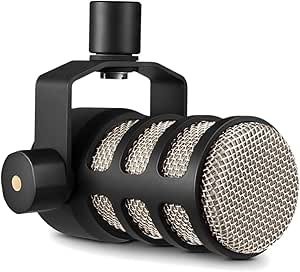
RØDE PodMic Cardioid Dynamic Broadcast Microphone with Integrated Swing Mount for Podcasting, Streaming, Gaming, and Voice Recording, Black
This model is a favorite among serious broadcasters, offering a rich, balanced sound that outperforms many entry-level mics like the FIFINE K688 in studio quality. Its internal pop filter and shock mount minimize plosives and vibrations, making it ideal for long recording sessions. The PodMic’s broadcast-quality sound is optimized for use with high-end interfaces like the RØDECaster Pro, but it also produces exceptional results with standard XLR setups. Unlike the more feature-rich Shure MV7+ or MAONO PD200W, the PodMic’s strength lies in its pure, professional broadcast tone and durability, though it lacks digital controls, LED indicators, or multi-device connectivity. Its all-metal construction ensures longevity, but its weight (937 grams) and fixed cardioid pattern mean it’s less flexible for dynamic environments. This mic is best suited for those who prioritize a warm, full sound and reliable build over flashy features. It’s perfect for podcasters who want broadcast-grade quality that lasts.
Pros:- Rich, balanced broadcast sound
- Built-in pop filter and shock mount for minimal plosives and vibrations
- Heavy-duty metal construction ensures durability
Cons:- No digital controls or LED indicators
- Fixed cardioid pattern limits versatility in different environments
Best for: Professional podcasters and broadcasters seeking a durable, studio-quality sound
Not ideal for: Casual streamers or beginners who need more digital features or ease of use
- Polar Pattern:Cardioid
- Impedance:150 Ohms
- Frequency Response:20Hz – 20kHz
- Additional Features:Internal pop filter, Swing mount
- Weight:937 Grams
- Enclosure Material:Metal
Bottom line: This microphone is ideal for podcasters who want a tough, broadcast-quality mic with reliable, warm sound.
MAONO PD200W Hybrid Wireless Podcast Microphone for PC, Dynamic XLR USB Mic with Desktop Stand, Software, Noise Cancellation, for Vocal Recording, Streaming, Content Creation, Home Studio, Voiceover
This model is a standout for creators who need the freedom of wireless operation combined with traditional XLR and USB options, making it more versatile than the MAONO PD200XS or the FIFINE XLR/USB sets. Its 3-in-1 connectivity (wireless, USB, XLR) provides unparalleled flexibility, especially for those who need mobility without sacrificing sound quality. The dynamic capsule and noise cancellation ensure clear vocals in noisy environments, comparable to the MAONO PD200XS but with the added convenience of wireless. Its rechargeable battery offers up to 60 hours of use, which is a significant advantage over wired-only options. The built-in sound controls and app for tuning sound profiles add professional control, similar to the Shure MV7+ but with more mobility. However, its weight (1.32 kg) and reliance on batteries mean it’s less sleek and more prone to technical issues than simpler wired mics. This mic is best for mobile podcasters, interviewers, or streamers who need maximum freedom. This is the go-to wireless solution for creators prioritizing mobility without sacrificing sound quality.
Pros:- Hybrid wireless, USB, and XLR connectivity
- Up to 60 hours battery life
- Built-in noise cancellation and customizable sound profile
Cons:- Relatively heavy and bulkier than traditional mics
- Potentially more complex setup with multiple connection modes
Best for: Content creators who need wireless operation for mobile recording or live streaming
Not ideal for: Studio-only users or those who prefer a simplified, wired setup
- Connectivity Technology:Wireless, USB, XLR
- Special Feature:Noise Cancellation, MaonoLink Software
- Polar Pattern:Unidirectional
- Frequency Response:50Hz – 16kHz
- Signal-to-Noise Ratio:82 dB
- Power Source:Rechargeable Battery
- Weight:1.32 Kilograms
- Additional Features:Multi-connection modes, App control
Bottom line: This microphone is perfect for creators who need maximum freedom of movement combined with professional sound quality.
Shure SM7B Dynamic Studio Microphone – XLR Mic for Podcasting, Streaming, Vocal Recording & Broadcasting, Wide Frequency Range, Smooth Warm Audio, Detachable Windscreen, Black
The Shure SM7B stands out as the ultimate choice for professional-quality vocal recordings and broadcast environments. Its wide-frequency response and dynamic cartridge deliver a warm, natural sound that rivals studio mics like the Elgato Wave:3, but with significantly more control and durability in demanding settings. Unlike USB-only options, the SM7B’s professional XLR output offers full gain, tone shaping, and interference shielding, making it ideal for content creators who want a versatile, high-fidelity solution. The tradeoff is that it requires an external preamp and more setup effort, which might be daunting for beginners. Who should buy this: seasoned podcasters, studio vocalists, and streamers seeking studio-grade quality. Not ideal for casual users or those who prefer plug-and-play simplicity.
Pros:- Exceptional clarity and warmth for vocals
- Robust all-metal construction for durability
- Built-in pop filter and shock isolation reduce noise
- Full control over tone via XLR connection
- Requires external audio interface or preamp
- Relatively high cost and setup complexity
Verdict: This is the best pick for serious creators who need professional studio sound and are prepared for a more involved setup.
Pros:- Exceptional warmth and clarity in vocal reproduction
- Durable all-metal build for long-term reliability
- Pop filtering and shock isolation for clean recordings
- Full tone control via XLR connection
Cons:- Requires an external audio interface or preamp
- Higher price point and setup complexity
Best for: Professional podcasters, vocal artists, and streamers who demand studio-quality sound and control.
Not ideal for: Beginners or casual users seeking simple plug-and-play setups.
- Connectivity Technology:XLR
- Polar Pattern:Unidirectional
- Impedance:150 Ohms
- Frequency Response:50 Hz – 20 kHz
- Signal-to-Noise Ratio:60 dB
- Item Weight:2.7 Pounds
- Dimensions:13.5 x 7 x 4.5 inches
Bottom line: Ideal for creators who prioritize studio-grade audio and are comfortable with a professional setup.
The Elgato Wave:3 makes a compelling case as the best premium USB option for streamers and content creators seeking high-quality, hassle-free audio. Its 24-bit/96kHz converter and Wave Link software provide professional broadcast sound, comparable to more complex XLR solutions like the Shure SM7B, but without the need for extra equipment or technical knowledge. The built-in Clipguard technology minimizes distortion even at high SPLs, making it perfect for dynamic voices and music. The tradeoff is that it offers less customization than XLR mics and relies on software for advanced effects, which may be limiting for pro users. Who should buy this: streamers, YouTubers, and remote workers prioritizing ease and quality. Not ideal for those wanting full control over tone without software dependencies.
Pros:- Excellent plug-and-play ease with USB-C connection
- Clear, broadcast-level sound quality
- Built-in anti-distortion Clipguard technology
- Intuitive Wave Link software for multi-source mixing
- Limited tone shaping compared to XLR mics
- Software dependence for advanced features
Verdict: This microphone is perfect for content creators who want professional sound without complex setup or equipment.
Pros:- Exceptional ease of use with plug-and-play USB-C
- Broadcast-quality sound in a compact design
- Effective distortion prevention with Clipguard
- Flexible audio mixing via intuitive software
Cons:- Limited tone shaping options compared to XLR mics
- Dependent on software for advanced effects
Best for: Streamers, YouTubers, and remote workers seeking simple setup with high-quality audio.
Not ideal for: Professional broadcasters or users needing extensive tone customization without software.
- Connectivity Technology:USB-C
- Polar Pattern:Unidirectional
- Frequency Response:70 – 20,000 Hz
- Sample Rate:96 kHz
- Max SPL:120 dB
- Item Weight:280 g
- Dimensions:6.0 x 2.6 x 1.6 inches
Bottom line: A top choice for streamers and casual creators wanting professional sound with minimal fuss.
MAONO XLR/USB Dynamic Microphone Kit, RGB Podcast Mic with Software, Mute, Gain Knob, Volume Control, Boom Arm for Streaming, Gaming, Voice-Over, Recording-PD200XS Black
The MAONO PD200XS offers a comprehensive solution for creators looking for versatility and style in a single kit. Its combination of USB and XLR outputs provides flexibility, allowing seamless transition from casual streaming to professional studio recording. The RGB lighting, gain control, and included boom arm make it a stylish, all-in-one setup that rivals more expensive professional kits like the Shure SM7B. The software customization, including EQ, limiter, and compressor, adds a layer of control not typically found in standard USB mics. The tradeoff is that it’s bulkier and may require some setup effort for the XLR connection, which could be overkill for casual users. Who should buy this: aspiring streamers, versatile content creators, and those who want a stylish, all-in-one package. Not ideal for users seeking purely XLR or USB only solutions or minimal setups.
Pros:- Dual USB and XLR interfaces for maximum flexibility
- Stylish RGB lighting with software control
- Includes shock mount and boom arm for professional positioning
- Customizable sound with built-in software effects
- Bulkier and heavier than standalone mics
- Requires setup and configuration for optimal XLR use
Verdict: A versatile, stylish kit ideal for creators who want flexibility and a professional look in a single package.
Pros:- Dual USB and XLR connectivity for maximum versatility
- Includes shock mount and boom arm for professional positioning
- Stylish RGB lighting with software customization
- Comprehensive sound control with built-in software effects
Cons:- Heavier and larger than typical microphones
- Setup complexity for XLR connection
Best for: Content creators who want a flexible, stylish kit with professional features for streaming and recording.
Not ideal for: Minimalist users or those who prefer simple USB or XLR setups without extra accessories.
- Connectivity Technology:USB-C, XLR
- Polar Pattern:Unidirectional
- Frequency Response:40Hz-16kHz
- Impedance:680 Ohms
- Signal-to-Noise Ratio:80 dB
- Item Weight:350 grams
- Dimensions:16.73 x 6.3 x 3.74 inches
Bottom line: Perfect for creators needing flexibility, style, and professional features in a single, all-in-one kit.
Logitech Creators Blue Yeti USB Microphone for PC, Mac, Gaming, Recording, Streaming, Podcasting, Studio and Computer Condenser Mic with Blue VO!CE effects, 4 Pickup Patterns, Plug and Play – Blackout
The Blue Yeti is renowned as a highly versatile USB microphone that balances ease of use with professional features. Its four pickup patterns—cardioid, omni, bidirectional, and stereo—allow for multi-purpose recording, from solo podcasts to multi-person interviews, outperforming simpler USB mics. The Blue VO!CE effects software offers advanced modulation, making it a favorite for streamers and YouTubers aiming for a polished, broadcast sound. The straightforward plug-and-play setup makes it accessible for beginners, but its multiple patterns and software enhancements also make it suitable for more experienced users. The main tradeoff is its bulkier build, which may be less convenient for portable setups. Who should buy this: content creators, streamers, and podcasters wanting maximum flexibility and effects. Not ideal for minimalists or those seeking a compact portable mic.
Pros:- Four versatile pickup patterns for various recording needs
- Blue VO!CE effects for advanced sound shaping
- Easy setup with USB connection
- Built-in headphone output for real-time monitoring
- Bulky design not ideal for portable use
- Requires software installation for full features
Verdict: A flexible, feature-rich USB microphone suited for serious streamers and creators who want professional sound with effortless setup.
Pros:- Multiple pickup patterns for diverse recording scenarios
- Advanced effects with Blue VO!CE software
- Simple USB plug-and-play setup
- Real-time monitoring with headphones
Cons:- Bulky for portable use
- Requires software to unlock full potential
Best for: Streamers, podcasters, and multi-purpose content creators who need flexibility and effects.
Not ideal for: Travelers or those seeking a small, portable mic for on-the-go use.
- Connectivity Technology:USB
- Polar Pattern:Multiple (Cardioid, Omni, Bidirectional, Stereo)
- Frequency Response:20 Hz – 20 kHz
- Sample Rate:48 kHz
- Max SPL:120 dB
- Item Weight:3.51 Pounds
- Dimensions:4.92 x 4.72 x 11.61 inches
Bottom line: A versatile, feature-packed microphone perfect for creators who need multiple recording modes and effects.

How We Picked
The products were selected based on a combination of sound performance, build quality, usability, and feature set. Emphasis was placed on microphones that deliver studio-like audio clarity suitable for professional podcasting, streaming, and broadcasting. We also considered versatility, such as dual USB/XLR connectivity, and additional features like onboard controls or software compatibility. The ranking reflects a balance between outright audio quality and practical usability in real-world scenarios, prioritizing models that are both high-performing and user-friendly. Cost was a factor, but only as it relates to value for the features and quality provided. Ultimately, these picks represent the best options for serious content creators willing to invest in premium audio equipment.Factors to Consider When Choosing Best Premium Podcast Microphones
Choosing a premium podcast microphone involves more than just sound quality. It’s important to consider how the microphone’s features align with your recording environment and long-term goals. Factors like connectivity options, durability, and additional controls can significantly affect your experience. Understanding these broader considerations will help you avoid common pitfalls, like overpaying for unnecessary features or choosing a model that doesn’t suit your setup. Let’s explore the key aspects to keep in mind when selecting a top-tier microphone.Sound Quality and Frequency Response
High-end microphones should capture a broad frequency range with clarity and warmth, especially for spoken word. Look for models that specify flat or natural frequency responses to ensure your voice sounds true to life. Be cautious of microphones that emphasize certain frequencies excessively, which can lead to unnatural audio. Investing in a microphone with good sound quality is worthwhile, as it reduces the need for extensive post-production editing and ensures your voice remains engaging to listeners.
Connectivity and Compatibility
Premium microphones often offer both USB and XLR options, providing flexibility for different setups. USB is ideal for quick, straightforward connections to computers, while XLR provides professional-grade audio quality and expandability with mixers or audio interfaces. Consider your current equipment and future upgrade plans when choosing. Some models include onboard controls or software for fine-tuning, so ensure compatibility with your existing hardware and software environment.
Build Quality and Durability
Premium microphones tend to be built from robust materials like metal, ensuring longevity and resistance to wear. A sturdy stand or shock mount can also prevent unwanted vibrations and handling noise, which are common issues in high-quality recordings. If you plan to transport your microphone frequently or use it in various locations, durability becomes even more critical. Better build quality often correlates with a longer lifespan and more consistent performance over time.
Additional Features and Controls
Features such as gain control, mute buttons, headphone monitoring, and built-in pop filters can greatly enhance your recording experience. These elements provide more control over your sound and can reduce the need for external equipment. However, more features can also increase complexity and cost, so consider what you actually need for your workflow. Simpler models with fewer controls might be preferable for beginners or those seeking a clean setup, while professionals may benefit from comprehensive onboard options.
Price and Value
Premium microphones come at various price points, with higher prices generally reflecting better build, features, and sound quality. It’s important to evaluate whether the added cost provides tangible benefits aligned with your specific needs. Sometimes, investing in a slightly more expensive model yields better durability and future-proofing, but avoid overspending on features that won’t be used. Focus on the balance between budget and your long-term content quality goals.
Frequently Asked Questions
Do I need an audio interface for a premium XLR microphone?
While some XLR microphones can be used directly with certain audio interfaces, most require an audio interface to connect to your computer. These interfaces convert analog signals to digital and often provide additional controls for gain and monitoring. Investing in a quality audio interface can significantly improve your sound quality and give you more control over your recordings. For those starting with XLR mics, choosing a compatible interface is an essential step to maximize the microphone’s performance.
Is a USB microphone enough for professional podcasting?
For many content creators, a high-quality USB microphone can deliver excellent audio with minimal setup, making it suitable for professional podcasting. However, if you require more control over sound quality, noise isolation, or plan to upgrade your setup later, an XLR microphone paired with an audio interface can provide better results. The choice depends on your budget, technical comfort, and long-term goals; USB mics are perfect for simplicity, while XLR offers more advanced capabilities.
How important is build quality in a premium microphone?
Build quality is a critical factor in a premium microphone because it directly affects durability, stability, and consistent performance. A well-constructed microphone made from metal components can withstand daily use and transportation without damage. Additionally, sturdy mounts and shock absorbers help minimize handling noise and vibrations, ensuring cleaner recordings. Investing in a durable microphone reduces replacement costs and guarantees reliable operation over years of use.
Should I prioritize multiple pickup patterns in a podcast microphone?
Multiple pickup patterns, such as cardioid, omnidirectional, and figure-8, offer flexibility in different recording environments. For podcasting, cardioid is usually preferred because it isolates the speaker’s voice and reduces background noise. However, having additional patterns can be valuable if you need to record multiple sources or create a more versatile setup. Consider your typical recording environment and whether these extra options will genuinely benefit your workflow before paying a premium for them.
Is it worth investing in a microphone with onboard software features?
Microphones with onboard software or effects can simplify your workflow by providing real-time processing, EQ, and noise reduction. These features are especially helpful for streamers or those who want to avoid external mixers. However, they can also add complexity and cost, and sometimes limit customization compared to software-based solutions. If you prefer a straightforward, high-quality sound without fuss, look for models that balance hardware features with compatibility to your existing digital setup.
Conclusion
For those seeking the best overall performance, the Shure SM7B remains the top choice, especially for professional broadcasters and serious podcasters. If ease of use with premium quality is your priority, the Elgato Wave:3 offers exceptional value for streamers and content creators. For versatile setups that may evolve, the Shure MV7+ provides a seamless USB/XLR experience. Beginners or budget-conscious buyers should consider models with simple interfaces, while professionals should prioritize durability and advanced features. Ultimately, your ideal microphone depends on your specific recording environment and long-term goals, but these picks cover the spectrum of high-end quality available in 2026.