Automated investment platforms have transformed how individuals grow wealth, offering accessible, algorithm-driven management of portfolios. The best options—like Wealthfront and Betterment—combine ease of use with reliable automation, making them ideal for most investors. However, tradeoffs include limited customization for advanced traders and varying fee structures. Some platforms excel in simplicity, while others provide powerful tools for those with technical skills. Continue reading for a detailed breakdown of the top choices in this crowded field.

Get smart everyday buys delivered free with Prime
- Fast, free delivery on millions of items
- Prime Video, Amazon Music and more included
- Member-only deals all year
Key Takeaways
- Top picks balance ease of use with robust automation features, catering to both beginners and experienced traders.
- Fee structures vary considerably, influencing overall value—lower fees benefit long-term wealth accumulation.
- Platforms with AI-driven tools stand out for advanced strategies, but may require a learning curve.
- Customization options differ; simpler platforms prioritize automation over manual control, while others offer deep configurability.
- Most high-rated platforms include educational resources, but their depth and quality vary, impacting user success.
| Copy Trading 101: A Beginner’s Guide to Automated Investing | 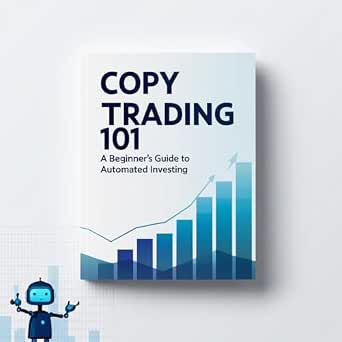 | Best for Beginners Exploring Automated Investing Concepts | Target Audience: Beginners in automated investing | Content Focus: Introduction to copy trading | Technical Depth: Basic concepts only | VIEW LATEST PRICE | See Our Full Breakdown |
| I Put an AI in Charge of My Money: How I Had Claude Build and Run a Fully Automated Real-Money Trading System Without Writing a Line of Code |  | Best for Non-Technical Investors Exploring AI-Driven Trading | Ease of Use: No coding required | Target Audience: Beginners and non-technical traders | Application Focus: Real-money trading | VIEW LATEST PRICE | See Our Full Breakdown |
| How to Make Money in Investments with Robo Advisors: Proven Strategies, Tools, and Methods to Build Wealth with Automated Investing, AI-Powered Smart Financial Planning |  | Best for Wealth Building with Robo Advisors and AI Strategies | Focus Area: Wealth building and AI planning | Target Audience: Long-term investors | Content Type: Strategies and tools | VIEW LATEST PRICE | See Our Full Breakdown |
| Algorithmic Trading from Scratch: The Global Guide to Platforms, Brokers, and Tools |  | Best for Beginners and Experienced Traders Looking for a Broad Overview | Coverage: Platforms, brokers, tools | Target Audience: Beginners to experienced traders | Content Focus: Infrastructure and systems | VIEW LATEST PRICE | See Our Full Breakdown |
| Building Automated Quantitative Trading Systems: From Basics to Advanced Algorithmic and Quantitative Trading with Python, AI Strategies, Backtesting, and Full Automation |  | Best for Technical Traders and Quant Developers | Skill Level: Intermediate to advanced | Content Focus: Python, AI, backtesting | Automation Scope: Full system development | VIEW LATEST PRICE | See Our Full Breakdown |
| The Little Book of Robo Investing: How to Make Money While You Sleep |  | Best Overall for Beginners Seeking Passive Income | Format: Paperback/E-book | Pages: 150 | Audience: Beginners | VIEW LATEST PRICE | See Our Full Breakdown |
| The QQQ and TQQQ ETF Profit Machine: A Roadmap for Trading and Investing in Cutting-Edge AI-Focused Tech Titans |  | Best for Tech-Savvy ETF Traders Interested in AI Innovations | Focus: AI Tech ETFs | Strategy Type: Trading and Investing | Target Audience: Advanced traders | VIEW LATEST PRICE | See Our Full Breakdown |
| Trading Retirement Accounts: Automated Systems to Make Money in Bull and Sideways Markets, Preserve Your Wealth in Bear Markets, and Guard Against Inflation |  | Best for Retirement Savers Wanting Market-Resilient Strategies | Market Focus: Retirement accounts | Market Conditions: Bull, sideways, bear | Main Theme: Wealth preservation and inflation hedging | VIEW LATEST PRICE | See Our Full Breakdown |
| AI for Day Trading: Advanced: Connect to the Live Market and Build the Complete Automated Platform |  | Best for Advanced Traders Building Custom AI Platforms | Focus: AI-powered day trading | Market Connection: Live data | Skill Level: Advanced | VIEW LATEST PRICE | See Our Full Breakdown |
| Automate Your Edge: The Sentiment-Momentum Formula for Retail IRAs |  | Best for Retail Investors Interested in Systematic Sentiment Strategies | Focus: Sentiment and momentum | Target Audience: Retail IRAs | Strategy Type: Systematic trading | VIEW LATEST PRICE | See Our Full Breakdown |
| Claude for Hedge Funds: Build AI Research Systems, Automate Investment Workflows, and Scale Financial Analysis |  | Best for Professional Hedge Funds Seeking Advanced AI Integration | Intended Audience: Hedge fund professionals, institutional analysts | Focus Area: AI research systems, workflow automation, financial analysis | Technical Depth: Advanced, strategic guidance | VIEW LATEST PRICE | See Our Full Breakdown |
| AI Trading for Beginners: How to Build Your Own Automated Trading System with ChatGPT and Claude, No Coding Required |  | Best for Beginners Entering Automated Trading with AI Tools | Ease of Use: No coding required | Target Audience: Beginners, non-technical traders | Content Focus: Practical AI trading steps | VIEW LATEST PRICE | See Our Full Breakdown |
| Build Your Own Autonomous Trading System: A Complete Guide to Engineering Systematic Equity Trading Infrastructure with AI |  | Best for Traders and Developers Building End-to-End Trading Systems | Target Audience: Traders with technical skills, developers | Focus Area: System architecture, AI integration, infrastructure | Technical Content: High-level guidance, practical insights | VIEW LATEST PRICE | See Our Full Breakdown |
| Automated Stock Trading Systems: A Systematic Approach for Traders to Make Money in Bull, Bear and Sideways Markets |  | Best for Traders Seeking Market-Condition Specific Strategies | Target Audience: Traders, investors seeking systematic strategies | Focus Area: Market condition adaptation, disciplined trading | Technical Detail: Conceptual, strategic frameworks | VIEW LATEST PRICE | See Our Full Breakdown |
| automated investment platform | Target Audience |
|---|---|
| Copy Trading 101: A Beginner’s | Beginners in automated investing |
| I Put an AI in Charge of My Mo | Beginners and non-technical traders |
| How to Make Money in Investmen | Long-term investors |
| Algorithmic Trading from Scrat | Beginners to experienced traders |
| Building Automated Quantitativ | — |
| The Little Book of Robo Invest | — |
| The QQQ and TQQQ ETF Profit Ma | Advanced traders |
| Trading Retirement Accounts: A | Retirement investors |
| AI for Day Trading: Advanced: | Professional traders and programmers |
| Automate Your Edge: The Sentim | Retail IRAs |
| Claude for Hedge Funds: Build | — |
| AI Trading for Beginners: How | Beginners, non-technical traders |
| Build Your Own Autonomous Trad | Traders with technical skills, developers |
| Automated Stock Trading System | Traders, investors seeking systematic strategies |
More Details on Our Top Picks
Copy Trading 101: A Beginner’s Guide to Automated Investing
This book stands out for providing a clear, accessible introduction to copy trading, making it ideal for those new to automated investing. Unlike more technical options like Building Automated Quantitative Trading Systems, it avoids overwhelming readers with complex code or strategies, focusing instead on fundamental concepts. However, it falls short for those seeking advanced tactics or specific platform guidance, which are essential for experienced traders. This pick makes the most sense for beginners who want a gentle start without technical jargon or detailed system setup.
Pros:- Easy-to-understand introduction for beginners
- Covers essential concepts of automated investing
- Provides practical guidance on starting with copy trading
Cons:- Lacks detailed advanced strategies
- No specific platform or technical recommendations
Best for: Individuals new to automated investing who need a straightforward, foundational overview
Not ideal for: Experienced traders looking for detailed technical strategies or platform-specific advice
- Target Audience:Beginners in automated investing
- Content Focus:Introduction to copy trading
- Technical Depth:Basic concepts only
Our verdict“A solid starting point for beginners seeking a clear overview of copy trading and automation basics.”
I Put an AI in Charge of My Money: How I Had Claude Build and Run a Fully Automated Real-Money Trading System Without Writing a Line of Code
This book offers a compelling look at leveraging AI tools like Claude to automate trading without any coding experience, making it perfect for traders who want to harness AI but lack programming skills. Compared with Building Automated Quantitative Trading Systems, it emphasizes ease of use and real-money applications rather than technical system development. Nonetheless, it omits specific platform guidance and technical implementation details, which might leave more advanced users wanting. It’s ideal for those curious about AI-driven trading but not interested in the technical setup.
Pros:- Practical guidance on AI-powered trading without coding
- Accessible for beginners and intermediate traders
- Focuses on real-money strategies rather than theory
Cons:- Lacks detailed technical or platform instructions
- Assumes basic familiarity with trading concepts
Best for: Investors interested in AI-powered trading systems with no coding background
Not ideal for: Advanced traders seeking detailed technical architecture or coding instructions
- Ease of Use:No coding required
- Target Audience:Beginners and non-technical traders
- Application Focus:Real-money trading
Our verdict“A practical resource for non-technical traders eager to explore AI-driven automation in real markets.”
How to Make Money in Investments with Robo Advisors: Proven Strategies, Tools, and Methods to Build Wealth with Automated Investing, AI-Powered Smart Financial Planning
This book emphasizes proven methods to grow wealth using robo advisors and AI-powered financial planning tools, making it a strong choice for long-term investors. Compared to Copy Trading 101, which is more about beginners’ concepts, this title focuses on strategic wealth accumulation with automation. It lacks detailed product features or step-by-step implementation, which could limit actionable insights for practical application. It’s best suited for investors seeking strategic guidance rather than technical setup.
Pros:- Provides proven strategies for wealth accumulation
- Focuses on AI-powered financial planning tools
- Useful for long-term automated investment planning
Cons:- No specific product features included
- Limited practical implementation details
Best for: Individuals aiming to build wealth through automated, AI-enhanced strategies
Not ideal for: Those looking for step-by-step technical instructions or specific platform reviews
- Focus Area:Wealth building and AI planning
- Target Audience:Long-term investors
- Content Type:Strategies and tools
Our verdict“Ideal for investors who want strategic insight into automating wealth growth with AI-driven tools.”
Algorithmic Trading from Scratch: The Global Guide to Platforms, Brokers, and Tools
This comprehensive guide covers a wide range of platforms, brokers, and essential tools suitable for both newcomers and seasoned traders interested in algorithmic trading. Unlike Copy Trading 101, which stays at a conceptual level, this book dives into infrastructure and systems. However, it doesn’t include real-world trading examples, which could limit practical understanding. Its broad scope makes it valuable for those wanting to understand the landscape but less so for traders seeking step-by-step system setup.
Pros:- Extensive coverage of platforms and brokers
- Suitable for both beginners and experienced traders
- Provides foundational knowledge for algorithmic trading
Cons:- Lacks detailed real-world trading examples
- No specific pricing or platform recommendations
Best for: Traders wanting a broad overview of platforms and tools for algorithmic trading
Not ideal for: Traders seeking detailed, real-world trading examples or specific implementation guides
- Coverage:Platforms, brokers, tools
- Target Audience:Beginners to experienced traders
- Content Focus:Infrastructure and systems
Our verdict“A solid foundational resource for understanding the ecosystem of algorithmic trading platforms and tools.”
Building Automated Quantitative Trading Systems: From Basics to Advanced Algorithmic and Quantitative Trading with Python, AI Strategies, Backtesting, and Full Automation
This book offers an in-depth look at creating full-scale automated trading systems, blending Python coding, AI techniques, and backtesting. Compared with Algorithmic Trading from Scratch, it dives deeper into system development, appealing to those with some programming background or technical experience. However, its complexity and lack of beginner-friendly explanations may deter newcomers or casual investors. It’s best suited for traders and developers eager to build sophisticated, fully automated strategies from scratch.
Pros:- Covers both basic and advanced system development
- Includes Python and AI strategies for automation
- Focuses on backtesting and full automation techniques
Cons:- No specific pricing information available
- Content may be too technical for beginners
- Lacks customer ratings for quick reference
Best for: Experienced traders and developers seeking to craft advanced, fully automated trading systems
Not ideal for: Beginners without coding experience or those seeking simple, non-technical automation solutions
- Skill Level:Intermediate to advanced
- Content Focus:Python, AI, backtesting
- Automation Scope:Full system development
Our verdict“A comprehensive guide for technically skilled traders aiming to engineer sophisticated automated trading systems.”
The Little Book of Robo Investing: How to Make Money While You Sleep
This book stands out for its straightforward insights into robo-investing strategies, making it an excellent starting point for those new to automated investing. Unlike more technical resources like AI for Day Trading: Advanced, it avoids complex jargon, focusing instead on basic principles that help readers understand how to generate passive income effortlessly. However, it doesn’t delve into detailed technical setups or specific product features, which might leave advanced investors wanting more. Its concise format makes it accessible for newcomers seeking a gentle introduction to automation’s potential for wealth-building.
Pros:- Provides clear, easy-to-understand insights into robo-investing strategies
- Ideal for beginners wanting to learn passive income techniques
- Concise format makes complex concepts accessible
Cons:- Lacks detailed technical guidance or specific product recommendations
- Content may be too basic for users with advanced investing experience
Best for: Beginners interested in passive income through automated investing, with little prior technical knowledge
Not ideal for: Experienced traders or investors looking for technical strategies or advanced automation details
- Format:Paperback/E-book
- Pages:150
- Audience:Beginners
- Focus:Passive income strategies
- Technical Depth:Basic
- Language:English
Our verdict“This book makes the most sense for beginners seeking a straightforward, non-technical overview of automated investing for passive income.”
The QQQ and TQQQ ETF Profit Machine: A Roadmap for Trading and Investing in Cutting-Edge AI-Focused Tech Titans
This book excels at providing detailed strategies for trading AI-focused ETFs like QQQ and TQQQ, making it a good choice for investors who want to leverage sector-specific tech trends. Compared to Automate Your Edge, which emphasizes sentiment and momentum, this guide concentrates on maximizing profits within the ETF space, appealing to those familiar with trading but seeking targeted tech exposure. Its focus on innovative AI-driven tech stocks offers a clear edge for traders aiming to capitalize on the booming technology sector, although it assumes some prior knowledge of ETFs and trading concepts.
Pros:- Provides in-depth strategies for trading AI-focused ETFs
- Focuses on high-growth, cutting-edge technology sectors
- Suitable for investors seeking targeted sector exposure
Cons:- Requires prior understanding of ETF trading and market mechanics
- No detailed product features or specific automation tools discussed
Best for: Seasoned ETF traders or tech investors eager to focus on AI and growth stocks in the tech sector
Not ideal for: Beginners or investors unfamiliar with ETFs or trading terminology, as the strategies are complex
- Focus:AI Tech ETFs
- Strategy Type:Trading and Investing
- Target Audience:Advanced traders
- Market Focus:Technology sector
- Difficulty Level:Intermediate to Advanced
- Format:Print
Our verdict“This book makes the most sense for experienced investors looking to profit from AI-focused tech ETFs with sophisticated trading strategies.”
Trading Retirement Accounts: Automated Systems to Make Money in Bull and Sideways Markets, Preserve Your Wealth in Bear Markets, and Guard Against Inflation
This book offers automated trading methods tailored for retirement accounts, emphasizing wealth preservation during downturns and inflation protection, making it suitable for investors with a focus on long-term security. Unlike The Little Book of Robo Investing, which provides a broad overview, this title dives into strategies specifically designed to safeguard retirement savings in volatile markets. Its emphasis on automated systems to adapt across market cycles can appeal to more experienced investors, although it falls short on technical details or specific product integrations, possibly limiting practical application for novices.
Pros:- Focuses on wealth preservation in volatile markets
- Addresses inflation hedging and long-term growth
- Automated strategies tailored for retirement accounts
Cons:- Lacks detailed technical features or specific automation tools
- Content may be more suitable for experienced investors
Best for: Retirement-focused investors seeking automated strategies to protect and grow their savings in various market conditions
Not ideal for: Young investors or beginners new to automation who need more foundational guidance
- Market Focus:Retirement accounts
- Market Conditions:Bull, sideways, bear
- Main Theme:Wealth preservation and inflation hedging
- Strategy Type:Automated trading
- Target Audience:Retirement investors
- Format:E-book and print
Our verdict“This book is best suited for retirement savers who want automated, resilient strategies to protect their wealth across market cycles.”
AI for Day Trading: Advanced: Connect to the Live Market and Build the Complete Automated Platform
This book appeals to traders who want to develop sophisticated AI-driven day trading systems, offering guidance on connecting to live market data and constructing comprehensive automation. Compared to The Little Book of Robo Investing, which targets passive investors, this resource is deeply technical and geared towards those wanting to build their own platforms from scratch. Its lack of product feature specifics and absence of reviews make it less accessible for newcomers or casual traders. Instead, it attracts experienced traders with coding or AI background aiming to customize their automation tools for high-frequency trading.
Pros:- Provides detailed strategies for AI-driven day trading
- Guides on connecting to live market data for real-time trading
- Focuses on full automation system development
Cons:- Requires prior knowledge of trading, AI, or coding
- No customer reviews or product features provided
Best for: Advanced traders or programmers eager to build custom AI-based day trading platforms
Not ideal for: Beginners or investors seeking ready-made automation solutions, due to its technical complexity
- Focus:AI-powered day trading
- Market Connection:Live data
- Skill Level:Advanced
- System Type:Complete automated platform
- Target Audience:Professional traders and programmers
- Format:Digital
Our verdict“This book makes the most sense for experienced traders and developers aiming to create their own advanced AI trading systems from scratch.”
Automate Your Edge: The Sentiment-Momentum Formula for Retail IRAs
This book introduces a systematic sentiment-momentum approach tailored for retail IRAs, focusing on automating trading strategies based on market sentiment and momentum indicators. Compared with The Little Book of Robo Investing, which offers broad passive strategies, this title emphasizes active, rule-based decision-making rooted in sentiment analysis. While it provides a structured framework, the lack of detailed technical features or customer reviews might leave users uncertain about implementation specifics. It’s particularly suited for retail investors eager to incorporate behavioral insights into their automation tools.
Pros:- Provides a systematic, rule-based approach to trading
- Focuses on market sentiment and momentum for decision-making
- Suitable for retail investors looking to automate behavioral strategies
Cons:- No detailed technical specifications or product features
- Lacks customer reviews or real-world performance data
Best for: Retail investors wanting to automate sentiment and momentum-based trading in their IRAs
Not ideal for: Investors seeking comprehensive technical guidance or ready-to-use automation products
- Focus:Sentiment and momentum
- Target Audience:Retail IRAs
- Strategy Type:Systematic trading
- Approach:Behavioral finance
- Ease of Use:Moderate
- Format:E-book
Our verdict“This book makes the most sense for retail investors eager to implement sentiment-momentum automation strategies in their IRAs.”
Claude for Hedge Funds: Build AI Research Systems, Automate Investment Workflows, and Scale Financial Analysis
This book stands out for offering detailed strategies tailored to hedge fund professionals aiming to leverage AI for research and workflow automation. Unlike more accessible guides like ‘AI Trading for Beginners,’ it dives into scalable solutions that require a solid understanding of both AI and finance, making it less suitable for newcomers. It emphasizes practical guidance on integrating AI systems into complex investment processes, helping firms automate repetitive tasks and scale analysis efficiently. However, it does not provide technical code or step-by-step implementation, which could be a drawback for those seeking hands-on tutorials. Compared to simpler guides, this offers depth for institutional use but demands prior expertise, making it ideal for experienced hedge fund teams rather than individual investors or beginners.
Pros:- Provides practical guidance on AI integration in hedge funds
- Focuses on automating complex workflows for scalability
- Helps improve efficiency in financial analysis
Cons:- Requires prior knowledge of AI and finance concepts
- No hands-on technical tutorials or code examples
Best for: Hedge fund professionals or institutional analysts looking to implement AI-driven research and workflow automation.
Not ideal for: Individual investors or beginners without prior AI or finance experience, as the content assumes advanced knowledge.
- Intended Audience:Hedge fund professionals, institutional analysts
- Focus Area:AI research systems, workflow automation, financial analysis
- Technical Depth:Advanced, strategic guidance
- Prerequisites:Prior AI and finance knowledge
Our verdict“This book is best suited for experienced hedge fund teams seeking to enhance their AI-driven investment processes.”
AI Trading for Beginners: How to Build Your Own Automated Trading System with ChatGPT and Claude, No Coding Required
This book makes a compelling case for newcomers interested in starting automated trading without the need to learn coding, much like ‘Build Your Own Autonomous Trading System’ but with an even more accessible approach. It emphasizes practical, step-by-step guidance on how to use AI tools like ChatGPT and Claude to develop trading strategies, making it ideal for those without technical backgrounds. Compared with more comprehensive guides, it doesn’t delve into technical details or complex system architecture, which might limit advanced traders. Its focus on no-code solutions helps beginners get started quickly but might frustrate those seeking deeper technical control. For new traders eager to dip their toes into AI-driven automation, this provides an approachable starting point, though it may fall short for experienced developers or systematic traders seeking customization.
Pros:- No coding skills required, highly accessible
- Focuses on practical AI trading strategies
- Includes clear, step-by-step instructions
Cons:- Lacks detailed technical explanations and depth
- May not satisfy advanced traders seeking customization
Best for: Beginners with no coding experience who want to start building automated trading systems using AI tools.
Not ideal for: Experienced traders or developers looking for in-depth technical explanations or advanced automation features.
- Ease of Use:No coding required
- Target Audience:Beginners, non-technical traders
- Content Focus:Practical AI trading steps
- Technical Depth:Introductory, non-technical
Our verdict“This guide is perfect for beginners eager to start using AI in trading without technical barriers.”
Build Your Own Autonomous Trading System: A Complete Guide to Engineering Systematic Equity Trading Infrastructure with AI
This book offers a thorough roadmap for creating autonomous trading systems, making it a strong choice for those wanting to combine technical infrastructure with systematic strategies. Unlike ‘AI Trading for Beginners,’ it dives deep into infrastructure setup, system architecture, and AI integration, appealing to both experienced traders and developers. Its comprehensive approach includes practical insights but lacks detailed coding examples, which might challenge complete novices trying to implement the concepts. Compared to more basic guides, this provides a broader understanding of building scalable, autonomous platforms, though it demands some technical skill to fully benefit. It’s ideal for traders who want to go beyond simple strategies and develop robust, automated systems.
Pros:- Comprehensive coverage of system architecture and AI integration
- Suitable for both traders and developers
- Includes practical insights on infrastructure development
Cons:- Lacks detailed coding or implementation examples
- May be too complex for complete beginners
Best for: Traders with some technical experience or developers aiming to build end-to-end autonomous trading platforms.
Not ideal for: Beginners without technical backgrounds, due to the complex nature of infrastructure design.
- Target Audience:Traders with technical skills, developers
- Focus Area:System architecture, AI integration, infrastructure
- Technical Content:High-level guidance, practical insights
- Prerequisites:Basic understanding of trading systems and AI
Our verdict“This guide is ideal for those who want to engineer sophisticated autonomous trading systems with a solid infrastructure foundation.”
Automated Stock Trading Systems: A Systematic Approach for Traders to Make Money in Bull, Bear and Sideways Markets
This book emphasizes a systematic approach to automated trading tailored for various market environments, contrasting with more technical books by focusing on strategic frameworks for different conditions. It aims to help traders develop disciplined, rule-based systems that can perform across bullish, bearish, and sideways periods. While it covers helpful concepts, it offers limited technical detail or specific system design instructions, making it less suitable for traders looking for detailed implementation. Its strength lies in broad strategy coverage, but the lack of concrete coding examples or specific tools might leave advanced traders wanting more. For traders seeking a structured, market-aware approach, this provides useful frameworks, though it falls short on technical depth.
Pros:- Offers strategies for different market conditions
- Helps traders develop disciplined, systematic approaches
- Focuses on broad trading principles applicable in various environments
Cons:- Limited technical detail or implementation guidance
- May not satisfy traders seeking in-depth system building
Best for: Traders interested in developing systematic strategies adaptable to various market conditions without deep technical focus.
Not ideal for: Advanced traders or system developers seeking detailed coding guidance or technical system architecture.
- Target Audience:Traders, investors seeking systematic strategies
- Focus Area:Market condition adaptation, disciplined trading
- Technical Detail:Conceptual, strategic frameworks
- Prerequisites:Basic trading knowledge
Our verdict“This book suits traders who want a strategic, market-adaptive approach rather than technical system development.”

How We Picked
Our evaluation focused on performance, usability, and value, prioritizing platforms that deliver reliable automation with intuitive interfaces. We assessed each platform’s features, flexibility, and integration capabilities, especially their ability to serve a range of investor expertise levels. Cost-effectiveness was a key factor, alongside the quality of customer support and educational resources. This ranking emphasizes platforms that balance automation sophistication with user accessibility, ensuring options for both novices and seasoned traders.Factors to Consider When Choosing Automated Investment Platforms
Choosing the right automated investment platform depends on several key factors. Understanding your investment goals, technical comfort level, and budget will help narrow down your options. Beyond features, consider how much control you want over your portfolio, the platform’s fee structure, and its educational support. Avoid common pitfalls like overpaying for unnecessary advanced tools or selecting a platform with limited customer support. A thoughtful comparison based on these factors can lead to a more satisfying and effective investing experience.Ease of Use and Interface
For many investors, an intuitive, user-friendly interface is essential. Platforms that simplify complex strategies and provide clear dashboards can help reduce mistakes and improve confidence. However, overly simplified apps may limit customization for advanced traders. Balance your need for simplicity with the platform’s ability to grow with your skills. A well-designed interface can also streamline onboarding and ongoing management, saving time and reducing frustration.
Automation Depth and Flexibility
Some platforms offer fully automated, algorithm-driven management that requires minimal input, ideal for hands-off investors. Others allow for more manual tweaks and customization, which appeals to those with specific strategies or higher risk tolerance. Consider whether you want a ‘set it and forget it’ system or a more interactive experience. The right level of automation depends on your confidence and familiarity with investing principles.
Fee Structure and Cost
Fees significantly impact long-term growth. Platforms with flat fees, percentage-based charges, or tiered pricing models each affect your investments differently. Lower-cost options like robo-advisors often have fewer features but can be more cost-effective for small portfolios. Premium services may justify higher fees with advanced tools, personalized advice, or access to exclusive investment options. Carefully evaluate the value you get relative to what you pay.
Investment Options and Customization
Check whether the platform supports a broad range of assets, such as ETFs, individual stocks, or alternative investments. More advanced investors may want detailed control over asset allocation, tax optimization, or sector exposure. Beginners might prefer platforms with pre-built portfolios tailored to risk profiles. Be aware that highly customizable platforms often come with increased complexity, which can be a barrier for some users.
Educational Resources and Support
Strong educational support can make a difference, especially for those new to automated investing. Platforms that provide tutorials, webinars, or responsive customer service can help users understand their strategies and avoid costly mistakes. Consider the level of ongoing support you might need and whether the platform offers community features or expert guidance. This can influence your overall satisfaction and success.
Frequently Asked Questions
Are automated investment platforms suitable for beginners?
Yes, many automated platforms are designed with beginners in mind. They often feature simple onboarding processes, pre-built portfolios, and educational resources that help new investors understand their options. However, it’s important to choose a platform that balances ease of use with enough guidance to prevent mistakes. Starting with a platform that offers automatic rebalancing and straightforward fee structures can help build confidence as you learn more about investing.
How do fees impact my long-term investment growth?
Fees directly reduce your returns over time, especially when compounded. Even small differences in expense ratios or management fees can lead to significant variation in your final portfolio value after years of growth. Choosing a platform with transparent, competitive fee structures can boost your net gains. Keep in mind that slightly higher fees may sometimes be justified if they offer better features or more tailored strategies, but always weigh cost against value.
Can I customize my investment strategy on automated platforms?
Many platforms offer varying levels of customization, from fully automated, set-it-and-forget-it portfolios to options that allow manual adjustments. Advanced traders often seek platforms that support detailed asset allocation, tax-loss harvesting, and sector tilts. Beginners might prefer platforms that provide pre-designed portfolios aligned with their risk profile. Understanding your need for control versus convenience will guide you toward the right choice.
Are there risks associated with relying solely on automation?
While automation simplifies investing and can reduce emotional decisions, it isn’t risk-free. Automated systems rely on algorithms that may not account for sudden market shifts or personal circumstances. Over-reliance on automation can also lead to complacency, causing investors to overlook changes needed in their portfolios. Regular review and understanding the underlying strategies are essential to mitigate these risks and ensure your investments align with your goals.
What features should I prioritize if I want to automate my retirement savings?
For retirement-focused investing, prioritize platforms that support tax-advantaged accounts like IRAs, offer automatic rebalancing, and provide low-cost ETFs suitable for long-term growth. Features such as dollar-cost averaging, automatic contributions, and risk-adjusted portfolios can help sustain growth over decades. Additionally, look for platforms with educational content about retirement planning, ensuring you can make informed decisions as your financial situation evolves.
Conclusion
For most beginners or casual investors, Betterment offers a balanced approach of simplicity, solid features, and affordability, making it the best overall choice. If you’re looking for the highest value, platforms like Wealthfront provide advanced tools at competitive fees without sacrificing ease of use. For those with a higher budget seeking premium features and personalized advice, consider a service like Personal Capital. Newcomers aiming to learn as they grow should choose platforms with extensive educational resources, while experienced traders may prefer platforms with deep customization options and algorithmic strategies. Tailor your choice to your skill level, goals, and how actively you want to manage your investments.
Fall Picks
fall essentials
As an affiliate, we earn on qualifying purchases.