
These five picks are books about automated investing, not brokerage platforms or software services. I’m ranking them by how clearly they help a reader understand a particular approach, from hands-off robo-advising to rules-based trading. Robo-Advisors Explained is my strongest fit for understanding how automated money management handles risk and investor behavior, while The Little Book of Robo Investing is the more approachable starting point for readers curious about passive investing. Traders who want to build and evaluate systems may prefer Automated Stock Trading Systems.

Get smart everyday buys delivered free with Prime
- Fast, free delivery on millions of items
- Prime Video, Amazon Music and more included
- Member-only deals all year
The tradeoff is the subject itself: a book can explain a platform category or strategy, but it cannot provide an account, automated portfolio management, live signals, or personalized financial advice. The trading-focused titles also assume more comfort with investing concepts than the beginner-oriented robo-advisor guides. I’ve ranked these by their likely usefulness for choosing an automated approach, not by any claim that they deliver investment returns.
Key Takeaways
- These are educational books, not investable platforms; none of the listings describes brokerage access, portfolio software, or managed accounts.
- Robo-Advisors Explained is the best match for readers who want a broader account of automated money management, risk, and investor behavior.
- The Little Book of Robo Investing is the more approachable robo-advisor introduction, but its described scope is less technical.
- Automated Stock Trading Systems and Trading Retirement Accounts focus on rules-based trading, which is a different task from hands-off portfolio management.
- Copy Trading 101 is the most direct choice for learning copy-trading basics, but the supplied description does not establish advanced strategy coverage.
| Robo-Advisors Explained: How Automated Investing Systems Manage Money, Risk, and Behavior (AI & Personal Finance Book 3) |  | Best Overall for Understanding Robo-Advisors | Format: Book; specific format not stated in the supplied description | Primary subject: Robo-advisors and automated investing systems | Topics described: Money management, risk, investor behavior, AI, and personal finance | VIEW LATEST PRICE | See Our Full Breakdown |
| The Little Book of Robo Investing: How to Make Money While You Sleep |  | Best for Beginners Exploring Robo-Investing | Format: Book; specific format not stated in the supplied description | Primary subject: Robo-investing | Topics described: Automated investing strategies, passive income concepts, and practical tips | VIEW LATEST PRICE | See Our Full Breakdown |
| Automated Stock Trading Systems: A Systematic Approach for Traders to Make Money in Bull, Bear and Sideways Markets | 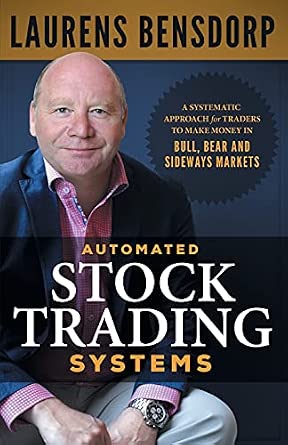 | Best for Building Rules-Based Trading Knowledge | Format: Book; specific format not stated in the supplied description | Primary subject: Automated stock-trading systems | Approach described: Systematic trading | VIEW LATEST PRICE | See Our Full Breakdown |
| Copy Trading 101: A Beginner’s Guide to Automated Investing | 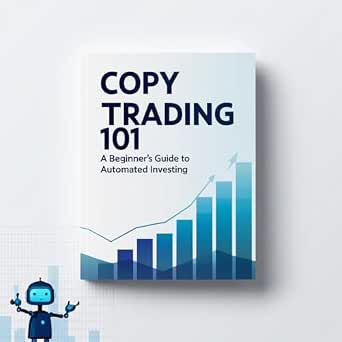 | Best for Copy-Trading Beginners | Format: Book; specific format not stated in the supplied description | Primary subject: Copy trading and automated investing | Topics described: Getting started and using automation tools | VIEW LATEST PRICE | See Our Full Breakdown |
| Trading Retirement Accounts: Automated Systems to Make Money in Bull and Sideways Markets, Preserve Your Wealth in Bear Markets, and Guard Against Inflation |  | Best for Retirement-Account Trading Strategies | Format: Book; specific format not stated in the supplied description | Primary subject: Automated trading systems for retirement accounts | Market themes described: Bull, sideways, and bear markets | VIEW LATEST PRICE | See Our Full Breakdown |
| automated investing platform | Format | Primary subject | Intended audience | ASIN |
|---|---|---|---|---|
| Robo-Advisors Explained: How A | Book; specific format not stated in the supplied description | Robo-advisors and automated investing systems | Readers interested in robo-advisors and automated personal finance | B0GD693NK8 |
| The Little Book of Robo Invest | Book; specific format not stated in the supplied description | Robo-investing | Beginners interested in passive investing | 1394225229 |
| Automated Stock Trading System | Book; specific format not stated in the supplied description | Automated stock-trading systems | Traders interested in automating trading processes | 1544506015 |
| Copy Trading 101: A Beginner’s | Book; specific format not stated in the supplied description | Copy trading and automated investing | Beginners | B0DMM32GJ6 |
| Trading Retirement Accounts: A | Book; specific format not stated in the supplied description | Automated trading systems for retirement accounts | Readers interested in trading within retirement accounts | B0F63JXNS5 |
More Details on Our Top Picks
Robo-Advisors Explained: How Automated Investing Systems Manage Money, Risk, and Behavior (AI & Personal Finance Book 3)
Robo-Advisors Explained is my leading pick for a reader trying to understand what an automated investing service is meant to do. Its described focus spans how robo-advisors manage money, handle risk, and influence investor behavior. That combination gives it a wider decision-making lens than a book centered mainly on copy trading or automated trade rules. For a buyer comparing hands-off portfolio services, the behavior and risk topics matter because automation is not just about placing transactions; it also concerns how a portfolio is managed and how an investor responds to changes.
Compared with The Little Book of Robo Investing, this title appears broader and more analytical, especially on AI and personal finance. That breadth may suit readers who want to understand the mechanisms and decisions behind robo-advisory services rather than start with a short, simplified overview. The limitation is also clear: the description warns that it may be too technical for casual readers and does not supply specific platform features or technical details. I would not buy it expecting a current service-by-service comparison, instructions for opening an account, or personal portfolio recommendations.
Its fit is strongest as conceptual preparation. It can help a reader frame questions about risk management and automated decisions, but the listing does not establish which products, algorithms, or regulations it covers. Compared with Copy Trading 101, it is less narrowly aimed at following other traders and more oriented toward how robo-advisors manage personal finances. I rank it first for the roundup’s central topic, while keeping that distinction between education and an actual investing platform explicit.
Pros:- Covers money management, risk, and investor behavior in one title.
- Directly addresses robo-advisors and automated investing systems.
- Offers a broader personal-finance angle than the trading-focused books.
- May help readers form better questions when comparing robo-advisory services.
Cons:- The description says the material may be too technical for casual readers.
- No specific platform features or technical details are identified.
- The listing does not establish how current its AI or service coverage is.
Best for: Readers comparing robo-advisory services who want a broader introduction to automated money management, risk, and investor behavior.
Not ideal for: Casual readers seeking only a very short, plain-language overview, or buyers who need a current list of platforms, specific technical instructions, or personalized investing advice.
- Format:Book; specific format not stated in the supplied description
- Primary subject:Robo-advisors and automated investing systems
- Topics described:Money management, risk, investor behavior, AI, and personal finance
- Intended audience:Readers interested in robo-advisors and automated personal finance
- Technical level:May be too technical for casual readers
- Advanced detail:Specific features and technical details are not supplied
- Series information:Identified as AI & Personal Finance Book 3
- ASIN:B0GD693NK8
Our verdict“I rank this first for readers who want a broad conceptual view of robo-advisors, provided they do not mistake it for a platform comparison or personalized financial plan.”
The Little Book of Robo Investing: How to Make Money While You Sleep
The Little Book of Robo Investing is the most approachable-sounding choice for someone who has heard of robo-advisors but wants a concise introduction before comparing services. The supplied description points to clear explanations of robo-investing strategies, passive income concepts, and practical tips. Those traits distinguish it from Robo-Advisors Explained, which covers a wider range of topics and may feel more technical. If a reader’s first question is simply how automated investing fits into a passive approach, this title has the more accessible stated role.
The phrase “make money while you sleep” is part of the title, not a promise I would treat as an outcome. Automated investing does not remove investment risk, guarantee income, or make every portfolio passive in the same way. The description itself notes limited technical analysis and no advanced investing coverage, so I see this as a starting point rather than a guide for choosing allocations, comparing service fees, or evaluating a complex strategy. Those gaps matter for readers who want specific, evidence-based criteria for a real account decision.
Compared with Copy Trading 101, this book appears more focused on robo-advising and passive investing than on copying another trader’s activity. Compared with the systematic trading titles, it is less about designing rules to enter and exit positions. That makes its lane clear: approachable orientation, not trading-system instruction. I place it just below the broader robo-advisor overview because the description promises less depth, but it may be the better first read for someone who wants accessible language over wider coverage.
Pros:- Described as concise and easy to understand.
- Focuses directly on robo-investing and passive-investing concepts.
- May be less intimidating than the broader, potentially technical robo-advisor title.
- Offers practical introductory tips according to the listing.
Cons:- The description says it lacks detailed technical analysis.
- Advanced investing techniques may not be covered.
- The title’s income language should not be read as a guarantee.
Best for: New investors who want an accessible introduction to robo-advising and passive-investing ideas before researching actual services.
Not ideal for: Readers seeking advanced portfolio analysis, detailed technical instruction, or a guarantee of passive income or investment results.
- Format:Book; specific format not stated in the supplied description
- Primary subject:Robo-investing
- Topics described:Automated investing strategies, passive income concepts, and practical tips
- Intended audience:Beginners interested in passive investing
- Style described:Concise and easy to understand
- Technical depth:Detailed technical analysis is not described
- Advanced coverage:Advanced investing techniques may be absent
- ASIN:1394225229
Our verdict“I recommend this as the gentlest introduction to robo-investing in the group, but not as a substitute for detailed research into a real platform or portfolio.”
Automated Stock Trading Systems: A Systematic Approach for Traders to Make Money in Bull, Bear and Sideways Markets
Automated Stock Trading Systems is aimed at a different buyer from the two robo-advisor books: someone interested in system design and trading processes, not simply delegating portfolio management. Its described approach covers bullish, bearish, and sideways market conditions. That range may help a trader think beyond a strategy that only looks attractive in one market environment. The emphasis on systematic methods also makes it the most directly strategy-oriented title in this lineup.
Compared with Trading Retirement Accounts, this book is not described as being limited to retirement accounts. That broader trading focus may appeal to readers exploring automated stock strategies across different account contexts. But the description says prior trading knowledge may be required, and it does not name specific tools, code, broker integrations, or technical methods. I would not assume that “systematic” means the book provides ready-to-run software or a tested strategy. It is an educational title, not a trading platform.
For someone choosing between it and Robo-Advisors Explained, the key question is whether they want to understand automated portfolio management or devise trading rules. The former is more relevant to hands-off investing services; this title is more relevant to active trading. It ranks behind the robo-advisor books because its fit is narrower and its prerequisite knowledge is higher, but among readers who want to study trading systems it may be the strongest match. Its broad market-condition framing is appealing, while the absence of supplied technical specifics makes checking the book’s contents before buying especially useful.
Pros:- Focuses directly on automated stock-trading systems.
- Described as addressing bull, bear, and sideways markets.
- Offers a systematic rather than purely discretionary framing.
- More broadly trading-focused than the retirement-account-specific title.
Cons:- May require prior trading knowledge.
- The supplied description names no software, tools, or broker connections.
- The stated focus is trading strategy rather than robo-advisor portfolio management.
Best for: Readers with some trading familiarity who want to study systematic stock-trading approaches across different market conditions.
Not ideal for: First-time investors seeking a hands-off robo-advisor, plug-and-play trading software, or a beginner-level guide with no assumed background.
- Format:Book; specific format not stated in the supplied description
- Primary subject:Automated stock-trading systems
- Approach described:Systematic trading
- Market conditions covered:Bull, bear, and sideways markets
- Intended audience:Traders interested in automating trading processes
- Prior knowledge:May require prior trading knowledge
- Platform or software details:Not specified in the supplied description
- ASIN:1544506015
Our verdict“I’d choose this over the robo-advisor guides only when the goal is to learn about rules-based stock trading rather than hands-off portfolio management.”
Copy Trading 101: A Beginner’s Guide to Automated Investing
Copy Trading 101 is the clearest pick for a beginner whose interest in automation starts with following or copying other traders. Its stated purpose is introductory: explaining copy trading and automated investing basics, how to get started, and ways to optimize an approach using automation tools. That makes it more specific than The Little Book of Robo Investing, whose focus is robo-advisors and passive-investing ideas. A reader interested in copying trades rather than delegating a diversified portfolio may find this title’s subject closer to their question.
Copy trading and robo-advising are not the same thing. Following another trader can expose a reader to different risks, and automated execution does not guarantee the copied strategy will suit their goals or tolerate the same losses. The listing describes this book as beginner-friendly and practical, but also says it lacks detailed technical strategies and advanced investing techniques. That sets a low ceiling for readers who want to evaluate strategy performance, risk controls, or system mechanics in depth.
Compared with Automated Stock Trading Systems, this is the more approachable entry point, while the latter sounds more suitable for traders ready to study systematic strategy design. Compared with Robo-Advisors Explained, it has a narrower emphasis and less detail about money management and investor behavior. I rank it fourth overall because copy trading is a specialized path within automated investing, not a general guide to automated portfolio services. For a curious beginner, though, its clear focus can make it more useful than a broader title that does not address copy trading directly.
Pros:- Explicitly introduces copy trading for beginners.
- Covers basics of getting started with automation tools.
- Offers practical introductory insights according to the description.
- Has a more approachable stated level than the systematic trading guide.
Cons:- The description says it lacks detailed technical strategies.
- Advanced investing techniques are not covered in the supplied summary.
- Copy trading is narrower than automated portfolio management.
Best for: Beginners specifically curious about copy trading and how automation tools can be used to follow trading strategies.
Not ideal for: Readers looking for advanced system design, a robo-advisor comparison, or a detailed treatment of investment risk and technical strategy evaluation.
- Format:Book; specific format not stated in the supplied description
- Primary subject:Copy trading and automated investing
- Topics described:Getting started and using automation tools
- Intended audience:Beginners
- Style described:Easy to understand
- Practical focus:Introductory insights for copy trading
- Technical depth:Detailed technical strategies are not described
- ASIN:B0DMM32GJ6
Our verdict“I’d pick this when copy trading is the specific subject, but choose a robo-advisor title for a broader view of automated investing services.”
Trading Retirement Accounts: Automated Systems to Make Money in Bull and Sideways Markets, Preserve Your Wealth in Bear Markets, and Guard Against Inflation
Trading Retirement Accounts brings automated systems into the specific setting of retirement accounts. The description says it addresses bull and sideways markets, wealth preservation in bear markets, and inflation. That account-centered angle separates it from Automated Stock Trading Systems, which is described around stock-trading systems and market conditions more generally. Readers who already think in terms of retirement accounts may value a guide framed around that setting rather than a generic trading-system discussion.
The subject is also narrower and potentially more demanding than robo-advisor investing. A robo-advisor typically refers to automated portfolio management; this title’s description emphasizes trading systems and market strategies. Buyers should not treat those approaches as interchangeable, and the listing does not identify specific account rules, tax guidance, software, or strategy details. The description also warns that prior trading knowledge may be needed. I would verify the full contents before expecting practical instructions for a particular retirement account or help with individual tax circumstances.
Compared with Robo-Advisors Explained, this title is more focused on trading and preservation themes than the mechanics and behavior of automated money management. Compared with Automated Stock Trading Systems, its retirement-account framing is more specialized, which can be a benefit or a limitation depending on the reader’s goal. I rank it fifth because its stated fit is the narrowest and the supplied details leave important questions unanswered. It remains the relevant pick for an experienced reader seeking retirement-account-oriented automated trading discussion, not for someone seeking a simple set-and-forget investing service.
Pros:- Focuses on automated trading in retirement accounts.
- Describes approaches for several market conditions.
- Includes wealth-preservation and inflation themes.
- Offers a more account-specific angle than the general stock-trading title.
Cons:- May require prior knowledge of trading concepts.
- The supplied description does not identify tools or detailed strategy mechanics.
- Account rules and tax treatment are not specified.
Best for: Readers with trading experience who specifically want to explore automated trading concepts in a retirement-account context.
Not ideal for: Beginners seeking a robo-advisor, personalized retirement planning, account-specific tax advice, or detailed software instructions.
- Format:Book; specific format not stated in the supplied description
- Primary subject:Automated trading systems for retirement accounts
- Market themes described:Bull, sideways, and bear markets
- Additional themes:Wealth preservation and inflation
- Intended audience:Readers interested in trading within retirement accounts
- Prior knowledge:May require familiarity with trading concepts
- Tools and implementation:Not specified in the supplied description
- ASIN:B0F63JXNS5
Our verdict“I’d reserve this for experienced readers interested in retirement-account trading, since its narrow subject and unspecified implementation details make it a poor general introduction.”

How We Picked
I ranked these titles by how directly their stated subject helps someone compare approaches to automated investing. Since the supplied listings describe books rather than platforms, I did not treat them as interchangeable with robo-advisors, trading apps, or managed investment services. I looked at the intended reader, the type of automation explained, and whether the description suggests introductory guidance, broader personal-finance context, or strategy development.
That distinction shapes the order. A reader who means “automated investing platform” as a service that builds and manages a portfolio should begin with the robo-advisor books, not assume a trading-system guide will do the same job. I place Robo-Advisors Explained first because its described scope explicitly joins money management, risk, and behavior. The Little Book of Robo Investing follows as a simpler entry point. The remaining titles serve narrower interests: copy trading, systematic stock strategies, and trading inside retirement accounts.
I also weighed the stated limitations. Where a description does not identify specific tools, technical details, or advanced coverage, I do not fill those gaps with guesses. I cannot verify edition details, length, author credentials, platform compatibility, or current investing guidance from the supplied information. These rankings are editorial matches to the descriptions, not endorsements of any strategy or forecasts of performance. Readers should check the full listing and treat financial decisions separately from educational reading.
| automated investing platform | Primary subject | Topics described | Intended audience |
|---|---|---|---|
| Robo-Advisors Explained: How A | Robo-advisors and automated investing systems | Money management, risk, investor behavior, AI, and personal finance | Readers interested in robo-advisors and automated personal finance |
| The Little Book of Robo Invest | Robo-investing | Automated investing strategies, passive income concepts, and practical tips | Beginners interested in passive investing |
| Automated Stock Trading System | Automated stock-trading systems | — | Traders interested in automating trading processes |
| Copy Trading 101: A Beginner’s | Copy trading and automated investing | Getting started and using automation tools | Beginners |
| Trading Retirement Accounts: A | Automated trading systems for retirement accounts | — | Readers interested in trading within retirement accounts |
Factors to Consider When Choosing Automated Investing Platforms
Before comparing these titles, I’d separate two meanings of “automated investing.” It can mean a service that manages a diversified portfolio for an investor, or it can mean software and rules that automate trading decisions. These books cover different parts of that landscape, and none is described as an investing platform itself.
Decide Whether You Want Portfolio Management or Trading Automation
A robo-advisor is the closer match if your goal is to automate portfolio management rather than choose individual trades. Robo-Advisors Explained and The Little Book of Robo Investing are the most aligned titles for that interest: one emphasizes money management, risk, and behavior, while the other is described as a more accessible introduction to robo-investing and passive strategies. Neither description confirms a comparison of current services, so treat them as learning material rather than shopping directories.
Trading automation is a different objective. Automated Stock Trading Systems and Trading Retirement Accounts focus on trading systems and market conditions. Copy Trading 101 concentrates on following other traders. Those approaches can involve different decision rules and risks than a managed portfolio. I’d choose by the question you need answered, not by the shared word “automated.”
Match the Book to Your Experience
If you are new to the topic, the descriptions for The Little Book of Robo Investing and Copy Trading 101 signal a more accessible starting level. The former is about robo-investing and passive-investing concepts; the latter is specifically about copy-trading basics. Their beginner orientation does not mean they teach the same approach, so pick the one that matches your intended use.
Readers with some trading experience may get more from Automated Stock Trading Systems or Trading Retirement Accounts. Both descriptions suggest that prior knowledge may help. The retirement title is the more specialized choice, while the stock-systems guide has a wider trading scope across market conditions. If you want a broader account of automated money management rather than trading mechanics, the robo-advisor overview is the closer fit, though its description flags a potentially technical style.
Check How Much Practical Detail You Need
These listings vary in how much depth they claim. Copy Trading 101 and The Little Book of Robo Investing are presented as beginner-friendly, but both have stated limits on technical or advanced coverage. Robo-Advisors Explained promises a wider conceptual scope, yet the supplied details do not name platform features or technical specifics. The trading titles describe broad strategies and market scenarios without listing software, code, broker integrations, or implementation steps.
If your decision depends on precise service features, current account terms, tax treatment, or a particular tool, do not infer that information from a book summary. Check the full contents and the actual provider’s current documentation. A guide can give useful vocabulary and context, but it cannot confirm that a platform supports your account or suits your personal circumstances.
Treat Claims About Income and Protection Carefully
Titles that mention making money, preserving wealth, or guarding against inflation describe themes, not guaranteed outcomes. Automated processes can still lose money, and a strategy that behaved a certain way in one market period may behave differently later. Copying another trader also does not make that trader’s risk tolerance or goals a match for yours.
I would use these books to build questions, not to skip risk review. Look for explanations of diversification, drawdowns, fees, tax considerations, and the conditions under which a strategy may fail. The supplied descriptions do not confirm detailed coverage of every topic, so verify the scope before relying on a title for a particular decision.
Remember That the Five Picks Are Books, Not Services
This roundup uses “automated investing platforms” as the subject area, but each supplied product is a book. None is described as offering an account, portfolio management, live trade automation, or a software subscription. If you came here expecting a provider comparison, use these titles only as educational resources and separately research the actual services you might use.
That distinction also explains the ranking. I place robo-advisor education ahead of trading-system guides because automated portfolio management is the closest match to the common meaning of an automated investing service. The trading books rank lower for that broad purpose, but may be better choices for readers who specifically want to study trading rules or copy trading.
Frequently Asked Questions
Are these automated investing platforms or books about them?
They are books, not automated investing platforms. The supplied descriptions do not say that any title provides a brokerage account, managed portfolio, trading software, or automated transactions. I’ve ranked them as educational resources for readers exploring robo-advisors, copy trading, and systematic trading. If you need a service that invests money on your behalf, you’ll need to research providers separately and verify their current features, account terms, and risks.
Which title is the best starting point for learning about robo-advisors?
Robo-Advisors Explained is the broadest match in this group for readers interested in how automated services manage money, risk, and investor behavior. The Little Book of Robo Investing may suit readers who prefer a concise, easier introduction to robo-investing and passive-investing ideas. The first sounds wider and potentially more technical; the second is described as accessible but less detailed. Neither listing establishes that it compares current providers.
Is copy trading the same as using a robo-advisor?
No. Copy trading is described here as following or copying other traders, while robo-advisor books focus on automated money management and investing systems. The approaches can differ in how decisions are made and what risks the investor takes. Copy Trading 101 is the direct match for learning copy-trading basics, while the two robo-advisor titles are more relevant to automated portfolio management. Automation alone does not make two strategies equivalent or guarantee suitable results.
Which book is suited to an experienced trader?
Automated Stock Trading Systems is the broadest trading-strategy match, with the description covering bull, bear, and sideways markets. Trading Retirement Accounts is more specialized for readers interested in automated trading within retirement accounts. Both may require prior knowledge, and the supplied descriptions do not identify specific software, code, or broker integrations. I would check the full listing to confirm the technical depth before choosing either title.
Can a book in this roundup guarantee investment income or protect savings from losses?
No. A book title or description mentioning income, wealth preservation, or inflation protection is not a promise of results. Investments can lose value, automated systems can perform poorly, and a strategy’s past behavior does not guarantee future outcomes. These titles are presented as educational material, not personalized financial advice. Before using any strategy or service, review its risks and costs and consider whether it fits your circumstances.
Conclusion
For readers comparing robo-advisors, I’d start with Robo-Advisors Explained for its broader stated scope across money management, risk, and behavior. Choose The Little Book of Robo Investing instead if you want the more accessible introduction and do not need advanced detail. For copy-trading beginners, Copy Trading 101 is the most direct subject match, while traders studying automated rules should look first at Automated Stock Trading Systems. Readers focused on retirement accounts may prefer Trading Retirement Accounts, provided they already understand trading concepts.
My main recommendation is to use these titles to clarify which kind of automation you mean, then evaluate actual services on their current features, risks, fees, and account suitability. None of the five books is itself a platform, and none should be treated as a promise of investment performance.
Halloween Picks
halloween
As an affiliate, we earn on qualifying purchases.