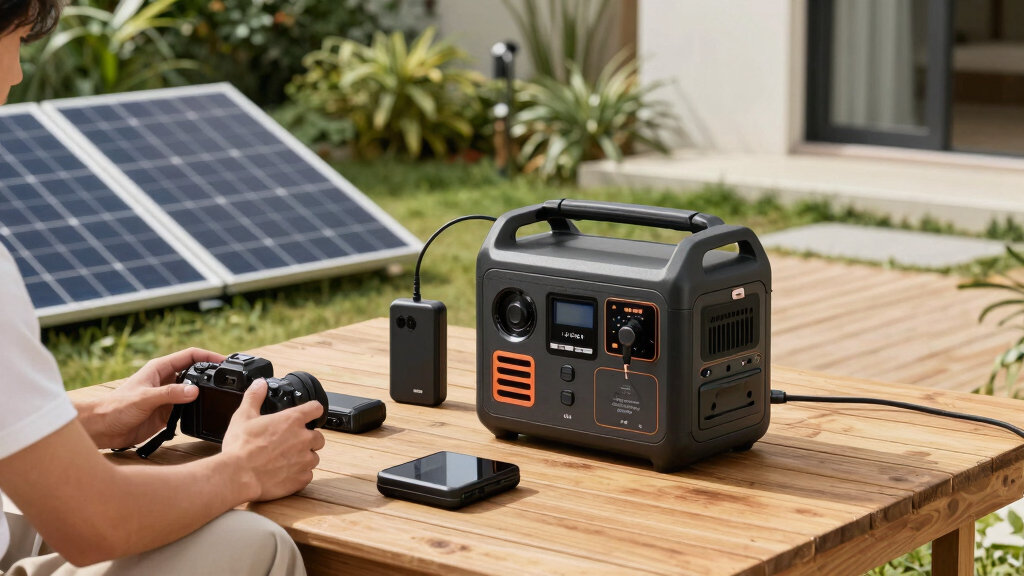
For remote creators, reliable power is essential whether you’re filming in the wilderness or working off-grid. The best battery generators combine portability, capacity, and versatility, but they also come with tradeoffs like price or recharge speed. The EnginStar Solar Generator stands out for its affordability and solid capacity, while the DJI Power 1000 V2 offers impressive power and fast recharging for demanding setups. The main dilemma for buyers is balancing size, power, and cost—more capacity means bulk and expense, but less capacity can limit your work. Keep reading for a detailed breakdown of the top options to match your needs.

Get smart everyday buys delivered free with Prime
- Fast, free delivery on millions of items
- Prime Video, Amazon Music and more included
- Member-only deals all year
Key Takeaways
- Top picks vary significantly in capacity, with larger units suited for extended off-grid use and smaller ones ideal for quick setups.
- Fast recharging and solar compatibility are common features among the best options, enabling more flexible recharging in remote locations.
- Pure sine wave inverters are essential for sensitive electronics like cameras and laptops, and most top models include them.
- Build quality and weight are crucial — lighter models are easier to carry but often have lower capacity.
- Price and overall value are tightly linked; higher-capacity units tend to cost more but offer longer runtime and more features.


More Details on Our Top Picks
EnginStar Solar Generator, 300W Portable Power Station, 296Wh Lithium Battery Backup w/Two 110V Pure Sine Wave AC Outlet for Camping Road Trip RV, 80000mAh Sufficient Power Supply for Blackout
This EnginStar 300W model stands out for its compact size and multiple recharge options, making it ideal for remote creators who need reliable power on the go. Compared with the GRECELL 300W, it offers similar capacity but includes more AC and DC outputs, which is advantageous for charging diverse devices simultaneously. However, its 300Wh capacity limits support for larger appliances, a tradeoff for its portability. The smart battery management system adds peace of mind through advanced protection, but the longer recharge time of about 7 hours may be inconvenient during quick trips. This pick makes the most sense for outdoor creators who prioritize lightweight design and flexible charging, rather than those needing high wattage support for power-hungry gear.
Pros:- Compact size with multiple charging ports including USB-C, DC, and AC outlets
- Flexible recharge options via solar, car, or wall outlet
- Smart protection system ensures safety during use
Cons:- Limited capacity supports only lower wattage devices, not large appliances
- Recharge time of around 7 hours could be slow in urgent situations
Best for: Remote creators who need a lightweight, easy-to-carry power source with multiple outputs for camping or outdoor fields.
Not ideal for: Content creators with high-power equipment like large cameras or lighting setups, as the 300Wh capacity may be insufficient for prolonged use.
- Wattage:300W
- Capacity:296Wh
- Recharge Time:7 hours
- Outputs:2x 110V AC, USB-C, multiple DC ports
- Size:9 x 5.5 x 7.5 inches
- Battery Type:Lithium-ion
Bottom line: Perfect for outdoor creators seeking a portable, multi-device power supply with moderate capacity.
Generac 1086Wh Portable Power Station with Lithium-Ion Battery – Clean, Emission-Free Power – Wirless Charging Pad and Compact Design – Camping, RV, Indoor/Outdoor Use – Orange/Black
The Generac GB1000 offers a substantial 1086Wh capacity, making it ideal for creators who need extended power during outdoor shoots or off-grid work. Unlike the smaller EnginStar, its higher wattage and capacity support larger devices like laptops and small appliances for longer periods. Its large multi-color display provides real-time monitoring, an advantage over more basic units, but it adds to the overall size and weight, which may be less convenient for ultra-light travel. The built-in wireless charging pad simplifies device management, but the higher capacity comes with a higher price point and potentially longer charging times depending on solar input. This model suits remote creators requiring dependable, high-volume power with smart features for indoor or outdoor use, rather than ultra-portable needs.
Pros:- High capacity with 1086Wh for longer runtime of devices
- Large multi-color display for easy real-time monitoring
- Wireless charging pad for convenience
Cons:- Heavier and bulkier, less portable for quick trips
- Higher price point compared to smaller units
Best for: Content creators needing a high-capacity, feature-rich power station suitable for extended outdoor shoots or lengthy off-grid projects.
Not ideal for: Travelers or minimalist creators who prioritize portability over capacity, as this unit is bulkier and heavier than smaller alternatives.
- Wattage:1000W
- Capacity:1086Wh
- Charging Time:2 hours (fast charging)
- Outputs:Multiple AC, USB, wireless charging
- Weight:29 pounds
- Display:Multi-color LCD
Bottom line: Ideal for creators who prioritize capacity and smart features over ultra-lightweight portability.
Portable Power Station 600W 293Wh Camping Lithium Battery, Portable Generator for Home Use Emergency Power Station Backup Travel Outdoor 100W PD & 110V Pure Sine Wave AC Outlet
This 600W, 293Wh unit from bailibatt makes a solid choice for creators who need a reliable backup or portable power for moderate devices. Compared with the smaller EnginStar, it offers slightly more wattage support but at a similar capacity, which limits its ability to run larger appliances for extended periods. Its 7.7 lbs weight and compact design favor creators who prioritize portability, but the limited runtime (about 1 hour at full load) means it’s best for short-term needs. The multiple output ports, including USB-C, make it versatile, but the capacity restricts longer shooting or editing sessions away from power. This device suits those seeking a lightweight, emergency-ready power source rather than extended power solutions.
Pros:- Lightweight and compact at just 7.7 lbs
- Multiple output options including USB-C and AC outlets
- Fast recharge capability in about 4 hours
Cons:- Limited runtime, supports only short bursts of power
- Capacity may not support high-power devices for long
Best for: Creators who need a portable, reliable backup power for short outdoor shoots or emergency situations, especially in emergency or home backup scenarios.
Not ideal for: Long-term remote projects requiring sustained power supply, as the capacity is limited for extended device operation.
- Wattage:600W
- Capacity:293Wh
- Runtime:1 hour at full load
- Outputs:AC, USB-C, USB-A, DC
- Weight:7.7 lbs
- Charging Time:4 hours
Bottom line: Best suited for emergency backup or short outdoor tasks where portability outweighs capacity needs.
GRECELL Portable Power Station 300W, 288Wh Lithium Battery, 60W Fast Charging, Up to 300W(Peak 600W) AC Outlets, Solar Generator for Outdoor Camping RVs Home Use
The GRECELL EB300 provides a balanced mix of capacity and portability, with 288Wh and 300W continuous power, making it suitable for creators with moderate power needs. Compared to the EnginStar, it offers similar capacity but with a slightly lower wattage support, which might limit use with larger devices. Its multiple charging modes, including solar, car, and wall, enhance its flexibility, but the slightly smaller capacity reduces its runtime for long shoots. The built-in wireless charging adds convenience, but overall, it’s more affordable, making it appealing for budget-conscious remote creators. The compact size and reasonable price make it a practical choice for outdoor work or backup power, though it’s less suited for powering heavy-duty equipment for extended periods.
Pros:- Affordable price with reliable performance
- Multiple recharging options including solar and car
- Supports fast charging with USB-C
Cons:- Limited runtime for high-power devices
- Lower wattage support compared to higher-capacity units
Best for: Budget-conscious outdoor creators needing a dependable, portable power source with multiple recharging options.
Not ideal for: Creators with high power demands or those needing long, continuous operation, as capacity and wattage are limited.
- Wattage:300W
- Capacity:288Wh
- Charging Modes:Wall, solar, car
- Outputs:AC, USB-C, USB-A, wireless charging
- Weight:6.02 x 8.36 x 9.6 inches
- Peak Power:600W
Bottom line: Great for budget-minded creators who need versatile, portable power for short to moderate outdoor projects.
Portable Power Station 300W, GRECELL 288Wh Solar Generator with 60W USB-C PD Output, 110V Pure Sine Wave AC Outlet Backup Lithium Battery for Outdoors Camping Travel Home Blackout
This GRECELL model stands out for its balance between portability and power, making it ideal for family outings, camping, or emergency backup. Its 288Wh capacity supports multiple devices up to 330W continuously, which is sufficient for laptops, lights, and small appliances, though it doesn’t match the larger DJI Power 1000 V2 in capacity and versatility. Compared with the Jackery Explorer 300, it offers faster recharge options via solar or wall, but its smaller size limits run time for larger devices. The upgraded BMS provides safety features like overload and short-circuit protection, ideal for users unfamiliar with power stations. However, its weight of 7.3 pounds means it’s still portable but less suitable for extended backpacking. The inclusion of wireless charging and multiple output ports makes it a versatile choice for outdoor and emergency use. Overall, this pick makes the most sense for users who prioritize lightweight, quick recharging, and multiple device support without needing the highest capacity.
Specs:- Wattage: 300 watts
- Capacity: 288Wh
- Output: 110V pure sine wave AC
- USB-C PD: 60W
- Charging: via solar, AC, or car
- Weight: 7.3 pounds
Pros:- Lightweight and compact for easy portability
- Supports fast charging via USB-C PD 60W
- Multiple ports including wireless charging and AC outlets
Cons:- Limited capacity (288Wh) compared to larger units like DJI Power 1000 V2
- Not suitable for running high-wattage appliances for extended periods
Best for: Families or outdoor lovers needing a lightweight, portable power source for multiple devices during camping or power outages.
Not ideal for: Heavy-duty power needs or prolonged off-grid work, as its capacity limits longer-term use of larger appliances.
- Wattage:300 watts
- Capacity:288Wh
- Output:110V pure sine wave AC
- USB-C PD:60W
- Recharge Options:solar, AC, car
- Weight:7.3 pounds
Bottom line: This power station is best suited for users seeking a portable, quick-rechargeable backup for small devices and family outdoor activities.
Jackery Portable Power Station Explorer 300, 292Wh Backup LiFePO4 Battery, Solar Generator for Outdoors Camping Travel Hunting Blackout (Solar Panel Optional)
The Jackery Explorer 300 is a solid choice for newcomers to portable power, especially those who want a straightforward, reliable device for camping or emergency backup. Its 292Wh capacity is comparable to the GRECELL but slightly more optimized for quick setup and simple operation. It recharges rapidly—up to 80% in just 2 hours—and supports multiple devices simultaneously, including laptops, phones, and small appliances. Unlike the DJI Power 1000 V2, it lacks the high capacity and advanced safety features but is lighter and more affordable, making it suitable for infrequent use. The inclusion of a solar panel option offers eco-friendly recharging, although it isn’t included in the package. Its compact size and user-friendly interface make it ideal for beginners or casual users. This pick makes the most sense for those new to portable power who want an easy, dependable solution for outdoor and backup needs.
Specs:- Watt-hour: 292Wh
- Weight: 7.1 pounds
- Outputs: 2 AC outlets, USB-C, USB-A, Quick Charge 3.0
- Recharge: 2 hours via wall, supports solar
- Battery: LiFePO4 for long lifespan
Pros:- Fast recharge time and reliable performance
- Long-lasting LiFePO4 battery with a 10-year lifespan
- Multiple device ports, including solar recharge option
Cons:- Limited capacity for high-wattage or long-term use
- Lacks advanced safety and monitoring features of higher-end units
Best for: Casual campers or homeowners seeking a reliable, easy-to-use backup for small devices and occasional outdoor use.
Not ideal for: Heavy power users or those needing to run larger appliances for extended periods, as capacity and power output are limited.
- Watt-hour:292Wh
- Weight:7.1 pounds
- Outputs:2 AC, USB-C, USB-A
- Recharge time:2 hours
- Battery type:LiFePO4
- Peak Power:300W
Bottom line: This is an excellent starter power station for users who prioritize simplicity, portability, and occasional outdoor or backup use.
DJI Power 1000 V2 Portable Power Station, 1024Wh LFP Battery, Compact Size, 2600W Stable Output, 0-80% Recharge in 37 Mins, Electric Generator for Home, Camping, RVs, Off-Grid
This DJI Power 1000 V2 truly stands out for its enormous 1024Wh capacity, making it capable of powering most devices, from laptops and cameras to small appliances, for extended periods—far surpassing the GRECELL or Jackery options. Its 2600W stable output and rapid recharge (80% in just 37 minutes) make it ideal for demanding remote creators who need reliable, long-lasting power on the go. The built-in safety features, including a robust BMS and flame-retardant housing, ensure safe operation even in harsh environments, a step above smaller units. Its quiet operation at around 26 dB also makes it suitable for nighttime use in camping setups. While it’s significantly larger and heavier at about 14 pounds, its high capacity and durability justify the bulk for serious off-grid or emergency scenarios. This pick is perfect for professionals or content creators who require dependable, high-capacity power for extended projects.
Specs:- Watt-hour: 1024Wh
- Output Power: 2600W
- Recharge: 80% in 37 minutes
- Battery: LFP with 10-year lifespan
- Weight: 14.14 kg
- Additional: Ultra-quiet at 26dB
Pros:- Enormous 1024Wh capacity for long-term use
- Fast recharge with 80% in 37 minutes
- Stable 2600W output suitable for heavy appliances
Cons:- Heavy and bulky for portable backpacking
- Higher cost compared to smaller units
Best for: Professional content creators, outdoor adventurers, or emergency-prepared users needing high-capacity, reliable power for long durations.
Not ideal for: Light or casual users who don’t require such extensive power, due to its size, weight, and cost.
- Watt-hour:1024Wh
- Output Power:2600W
- Recharge time:80% in 37 mins
- Battery:LFP
- Weight:14.14 kg
- Noise Level:26 dB
Bottom line: This power station is best suited for professionals or serious users who need durable, high-capacity power on demanding remote projects or emergencies.
EnginStar Portable Power Station 300W 296Wh Battery Bank with 110V Pure Sine Wave AC Outlet for Outdoors Camping Hunting and Emergency, 80000mAh Backup Battery Power Supply for CPAP
The EnginStar 300W Power Station offers a surprisingly high capacity of 296Wh, making it a practical option for users who want dependable backup power without breaking the bank. Its 8 output ports support multiple devices simultaneously—ideal for camping, emergencies, or light outdoor use—though it doesn’t match the capacity or advanced features of the DJI Power 1000 V2. Its lightweight design at just 6.5 pounds makes it easy to carry, and the built-in safety features, including voltage and temperature control, provide peace of mind for infrequent users. The device can be charged via wall, car, or compatible solar panels, making it versatile for different scenarios. However, it’s not designed for high-wattage appliances or prolonged off-grid power, so it’s best for occasional use. It’s a solid choice for budget-conscious buyers seeking reliable power for small devices and short trips.
Specs:- Watt-hour: 296Wh
- Weight: 6.5 pounds
- Outputs: 2 AC, USB, USB-C, DC
- Charging: wall, car, solar
- Battery: Lithium-ion with 1000+ cycles
Pros:- Affordable with high capacity for its class
- Supports multiple devices with versatile ports
- Lightweight and portable for easy carrying
Cons:- Limited to 300W continuous power, not suitable for high-wattage devices
- No advanced monitoring or display features
Best for: Budget-conscious outdoor enthusiasts or homeowners needing a reliable, portable backup for small devices and short-term outages.
Not ideal for: Heavy-duty or long-term power needs, especially for large appliances or extended off-grid use.
- Watt-hour:296Wh
- Weight:6.5 pounds
- Outputs:2 AC, USB, USB-C, DC
- Charging:wall, car, solar
- Battery:Lithium-ion
- Peak Power:300W
Bottom line: This power station is ideal for users seeking a cost-effective, portable backup for small devices and short outdoor trips.
DJI Power 1000 Portable Power Station, 1024Wh LiFePO4 Battery, 2200W (Peak 2600W) AC/140W USB-C Output, 23db Ultra-Silent, Solar Generator For Home Backup, Camping
The DJI Power 1000 stands out for its robust 1024Wh LiFePO4 battery and impressive 2200W continuous output, making it capable of handling high-wattage appliances that others like the GRECELL 300W simply can’t support. Its rapid 70-minute recharge from grid power and support for solar input ensure you’re never left powerless in remote settings. Compared to the Portable Power Station 600W, it offers significantly higher capacity and power, though it comes with a heavier weight of 13.15 kg, which might be a concern for ultra-portable needs. Its ultra-silent operation at just 23 dB is ideal for quiet environments like campsites or indoor backup. The integrated BMS enhances safety, and the five-year warranty adds peace of mind. Despite its higher price, this model excels in durability and versatility, making it perfect for those who need reliable, long-term off-grid power. However, it lacks a built-in MPPT solar charge controller, requiring an extra adapter for solar recharging, which could complicate setup.
Pros:- High 1024Wh capacity supports multiple high-watt devices simultaneously
- Fast recharge in just 70 minutes from grid power
- Ultra-silent operation at 23 dB, perfect for quiet environments
- Long-lasting LiFePO4 battery with around 4000 cycles
Cons:- Heavy weight of over 13 kg makes it less suitable for frequent portage
- Lacks built-in MPPT solar input, requiring additional accessories for solar charging
Best for: Remote creators who need high-capacity, durable power for extended outdoor projects or home backup.
Not ideal for: Lightweight hikers or minimalist travelers who prioritize ultra-portability over high wattage and long runtime.
- Watt-hours:1024Wh
- Peak Power:2600W
- Output Wattage:2200W
- Recharge Time:70 minutes
- Battery Type:LiFePO4
- Noise Level:23 dB
- Weight:13.15 kg
Bottom line: This power station is best suited for remote creators who prioritize power capacity, durability, and quiet operation over extreme portability.

How We Picked
In evaluating these battery generators, I prioritized performance, build quality, and usability for remote creators. Capacity and output wattage were key for powering cameras, lights, and small appliances without interruption. I also considered recharging options, especially solar compatibility, since off-grid creators need flexible recharging methods. Portability and weight played crucial roles, as these units should be easy to carry into remote locations. Lastly, I balanced cost against features to recommend options that provide real value for different budgets, ensuring each product serves a distinct user need.Factors to Consider When Choosing Best Battery Generators For Remote Creators
Choosing the right battery generator requires understanding how your specific needs align with a unit’s features. Not all portable power stations are created equal, and weighing factors like capacity, recharging options, and size can help you avoid costly mistakes. Here are key considerations to guide your selection.Power Capacity and Output
Assess how much power you need based on your devices. For example, cameras and laptops typically require 100-200W, while larger lights or small appliances may push you toward higher wattage units. Look for models with sufficient continuous output and surge capacity, especially if you plan to run sensitive electronics that need stable power. Overspending on capacity you won’t use can be a waste, but underestimating needs can lead to interruptions during critical work.
Recharging Options and Speed
Rechargeability is a core feature, especially when off-grid. Solar panels are ideal for sustainable, silent charging but check compatibility and wattage to ensure they match your power station. Fast recharging via AC or car outlets can minimize downtime, so consider units with quick recharge times—particularly useful during short breaks or overnight. Keep in mind that some units may take hours or days to fully recharge, affecting your workflow.
Size, Weight, and Portability
If you’re moving frequently or working in unpredictable environments, lightweight and compact designs are preferable. Larger models often offer more capacity but can be cumbersome, making transport a challenge. Balance your need for power with ease of carrying; many top options feature handles, rugged shells, or backpack-style designs. Remember, a heavier unit may also require more effort to set up and pack away.
Build Quality and Durability
Remote work demands gear that withstands outdoor conditions—think dust, moisture, and occasional bumps. Look for units with sturdy shells, sealed ports, and reliable components. Investing in a well-built model can extend the lifespan, especially when used frequently or in rough environments. Cheaper units may save money upfront but could suffer damage or performance issues over time.
Price and Value
While it’s tempting to go for the cheapest option, consider what you’re sacrificing in capacity, durability, or features. Higher-capacity, fast-charging units generally cost more but provide peace of mind for longer or more intense use. Conversely, budget models might suffice for light, occasional tasks but can fall short during extended remote work. Focus on what features you truly need and avoid paying for extras that won’t benefit your specific setup.
Frequently Asked Questions
Can I charge my battery generator with solar panels while using it at the same time?
Many modern battery generators support pass-through charging, allowing you to recharge while simultaneously powering devices. However, the efficiency of this process depends on the model and solar panel wattage. High-capacity units with fast recharge features are more likely to handle simultaneous use without significantly reducing performance. Always check the manufacturer’s specifications to confirm whether pass-through charging is supported and safe for your unit.
What’s the best capacity for a remote creator who films outdoors for several days?
For extended outdoor filming, look for units with at least 600Wh capacity or more. This size generally provides enough runtime for multiple cameras, lights, and charging needs over several days, especially if combined with solar recharging. Smaller units may run out of power quickly, forcing you to reduce equipment or find alternative power sources. Consider your total energy consumption and plan accordingly to avoid disruptions.
Are pure sine wave inverters really necessary for sensitive electronics?
Yes, pure sine wave inverters produce clean, stable power similar to grid electricity, which is vital for sensitive electronics like cameras, drones, and audio equipment. Using a modified sine wave inverter can cause issues such as overheating, noise, or even damage. For remote creators relying on delicate gear, investing in a unit with a pure sine wave inverter is a wise choice, even if it costs a bit more.
How do I know if a power station is suitable for outdoor use?
Look for features like ruggedized shells, weather-resistant ports, and a design that minimizes dust and moisture ingress. Also, check the weight and handle design to ensure portability. Some units are explicitly rated for outdoor use, with certifications or IP ratings that verify durability. Remember, even the best indoor models may struggle in harsh conditions, so choose a model explicitly designed for outdoor resilience.
Is it worth paying extra for larger capacity units if I only need power occasionally?
It depends on your typical usage. If your needs are infrequent and short-term, a smaller, more affordable model might suffice. However, larger units offer flexibility for unexpected power requirements, longer outings, or future needs. They can also handle more devices simultaneously, providing peace of mind. Weigh how often you’ll need extended power versus your budget, and select accordingly to avoid overpaying for unused capacity or underpowering critical tasks.
Conclusion
For most remote creators, the EnginStar Solar Generator strikes a balance between affordability and performance, making it ideal for occasional use or smaller setups. Those seeking maximum power and rapid recharging should consider the DJI Power 1000 V2 or DJI Power 1000, especially for demanding professional work. Beginners or light users will find the MARBERO Portable Power Station sufficient and easy to handle, while advanced users with high power needs should look into units like the Generac 1086Wh. Overall, choose based on your typical power demands, portability requirements, and budget to ensure your remote work remains uninterrupted.