

Tax-efficient mutual funds can help limit the tax drag on your investments, but these nine books differ in how directly they address fund taxes. My best overall pick is Wall Street Secrets for Tax-Efficient Investing for its clear focus on tax-aware decisions; Common Sense on Mutual Funds: Updated 10th Anniversary Edition stands out for broad fund-selection principles, while Mutual Funds for Beginners offers a gentler starting point. The main tradeoff is between specialized tax guidance and wider lessons on costs, diversification, and choosing funds. A book can inform your decisions, but it cannot replace current tax rules or advice suited to your circumstances. Read on for the full comparison and guidance on matching a title to your investing experience and needs.

Get smart everyday buys delivered free with Prime
- Fast, free delivery on millions of items
- Prime Video, Amazon Music and more included
- Member-only deals all year
Key Takeaways
- Tax focus separates the lead pick: Wall Street Secrets for Tax-Efficient Investing is the clearest match for readers seeking a book centered on tax-aware investing, while most other titles teach broader mutual fund principles.
- General investing books still have a role: The Common Sense titles and Bogle on Mutual Funds emphasize fund selection and investor discipline rather than serving as tax manuals.
- Beginners may benefit more from foundations than tax detail: Mutual Funds for Beginners and Let’s Talk Mutual Funds prioritize approachable explanations and systematic investing.
- Several titles address adjacent needs, not tax planning: Retirement Investments 101: Mutual Funds focuses on retirement context, and Mutual Fund Money Makers emphasizes performance and profit distribution.
- Book guidance has limits: Tax rules change, and a book’s publication date and scope matter; readers should confirm current rules before acting on specific tax strategies.
| Common Sense on Mutual Funds: Updated 10th Anniversary Edition |  | Best for Long-Term Fund Principles | Format: Book | Edition: Updated 10th Anniversary Edition | Subject: Mutual fund investing | VIEW LATEST PRICE | See Our Full Breakdown |
| Mutual Fund Money Makers: Performance Gains and Profit Distribution |  | Best for Exploring Fund Distributions | Title: Mutual Fund Money Makers: Performance Gains and Profit Distribution | Subject: Mutual fund performance and profit distribution | Format: Not specified in the provided product information | VIEW LATEST PRICE | See Our Full Breakdown |
| Let’s Talk Mutual Funds: A Systematic, Smart Way to Make Them Work for You |  | Best for Building a Repeatable Fund Process | Title: Let’s Talk Mutual Funds: A Systematic, Smart Way to Make Them Work for You | Subject: Mutual funds and a systematic approach to using them | Format: Not specified in the provided product information | VIEW LATEST PRICE | See Our Full Breakdown |
| Mutual Funds for Beginners: How to Invest in Mutual Funds |  | Best for First-Time Fund Investors | Format: Book | Subject: Investing in mutual funds | Intended audience: Beginner investors | VIEW LATEST PRICE | See Our Full Breakdown |
| Wall Street Secrets for Tax-Efficient Investing: From Tax Pain to Investment Gain |  | Best Match for Tax-Aware Investing | Format: Book | Subject: Tax-efficient investing and reducing the tax impact on investment gains | Title: Wall Street Secrets for Tax-Efficient Investing: From Tax Pain to Investment Gain | VIEW LATEST PRICE | See Our Full Breakdown |
| Bogle on Mutual Funds: New Perspectives for the Intelligent Investor |  | Best for Long-Term Mutual Fund Principles | Author: John C. Bogle | Format: Book | Subject: Mutual funds and investing | VIEW LATEST PRICE | See Our Full Breakdown |
| How to Pick the Best Mutual Funds: A Practical Method for Choosing, Comparing, and Avoiding Funds | 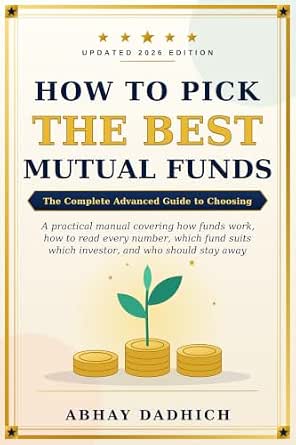 | Best for Comparing Fund Candidates | Format: Book | Primary topic: Choosing mutual funds | Stated approach: Practical method | VIEW LATEST PRICE | See Our Full Breakdown |
| Retirement Investments 101: Mutual Funds |  | Best for Retirement-Focused Beginners | Format: Book | Level: Introductory, as indicated by the title | Topic: Mutual funds and retirement investing | VIEW LATEST PRICE | See Our Full Breakdown |
| Common Sense on Mutual Funds: New Imperatives for the Intelligent Investor |  | Best for Broad Mutual Fund Perspective | Format: Book | Primary topic: Mutual fund investing | Stated focus: Principles for informed investment decisions | VIEW LATEST PRICE | See Our Full Breakdown |
| tax efficient mutual fund | Format | ASIN | Tax-specific coverage | Subject |
|---|---|---|---|---|
| Common Sense on Mutual Funds: | Book | 0470138130 | Not specified in the provided product information | Mutual fund investing |
| Mutual Fund Money Makers: Perf | Not specified in the provided product information | B0GZKQS419 | Not specified in the provided product information | Mutual fund performance and profit distribution |
| Let’s Talk Mutual Funds: A Sys | Not specified in the provided product information | B0C5FG9NQ2 | Not specified in the provided product information | Mutual funds and a systematic approach to using them |
| Mutual Funds for Beginners: Ho | Book | 1530323843 | Not specified in the provided product information | Investing in mutual funds |
| Wall Street Secrets for Tax-Ef | Book | 1576600882 | — | Tax-efficient investing and reducing the tax impact on investment gains |
| Bogle on Mutual Funds: New Per | Book | 1556238606 | Not specified in the provided product information | Mutual funds and investing |
| How to Pick the Best Mutual Fu | Book | B0HMHKJRY8 | Not specified in the provided product information | — |
| Retirement Investments 101: Mu | Book | B0GH7SJLZT | Not specified in the provided product information | — |
| Common Sense on Mutual Funds: | Book | 0471392286 | Not specified in the provided product information | — |
More Details on Our Top Picks
Common Sense on Mutual Funds: Updated 10th Anniversary Edition
I’d choose this edition for a reader who wants broad mutual fund principles before comparing tax strategies. Its clearest advantage in this lineup is the updated 10th anniversary edition, which distinguishes it from the beginner-focused Mutual Funds for Beginners. But the supplied details do not confirm dedicated coverage of tax-efficient fund selection, distributions, or account placement, so I would treat it as background rather than a tax-planning manual. That gap matters for buyers whose main aim is limiting taxable events. Compared with Wall Street Secrets for Tax-Efficient Investing, this title is less directly aligned with that goal; its value is the potential to build a wider foundation for evaluating funds. I’d pair it with tax-specific guidance and verify the contents before relying on it for tax decisions.
Pros:- Updated 10th anniversary edition is explicitly identified
- Broad mutual fund focus can complement tax-specific research
- Book format supports reference and rereading
- Offers a different emphasis from the beginner-oriented guide in this lineup
Cons:- Provided information does not establish how much tax-efficient investing it covers
- No details are supplied about chapters, examples, or intended investor level
- May need to be paired with a dedicated tax-investing resource
Best for: Long-term investors who want a general mutual fund foundation before studying tax-aware strategies
Not ideal for: Readers seeking specific guidance on capital-gains distributions, tax-loss harvesting, or choosing funds for taxable accounts
- Format:Book
- Edition:Updated 10th Anniversary Edition
- Subject:Mutual fund investing
- Title:Common Sense on Mutual Funds: Updated 10th Anniversary Edition
- ASIN:0470138130
- Tax-specific coverage:Not specified in the provided product information
Our verdict“Choose this edition for general mutual fund grounding, not as a stand-alone guide to reducing taxes on investments.”
Mutual Fund Money Makers: Performance Gains and Profit Distribution
The title puts performance gains and profit distribution at the center, making this the most distribution-focused-sounding option here. That gives it a potentially useful angle for readers asking how fund gains are shared, a question related to tax exposure in taxable accounts. Still, the product information does not confirm that it explains tax treatment, capital-gains distributions, or ways to reduce taxable payouts. I would not infer tax advice from the title alone. Compared with Wall Street Secrets for Tax-Efficient Investing, this book’s stated focus sounds more centered on fund performance and distributions than on tax strategy. Its fit depends on whether the actual contents connect those topics to investor decisions. With no supplied format or content details, I’d verify the book’s scope before choosing it as a tax-focused resource.
Pros:- Title explicitly identifies performance gains and profit distribution as its subject
- May help readers frame questions about fund payouts
- Provides a distinct angle from general beginner mutual fund guides
Cons:- Available information does not confirm tax coverage or specific tax strategies
- Format and level of detail are not provided
- The title alone does not establish whether it offers actionable selection guidance
Best for: Investors curious about how mutual fund performance gains and profit distributions may affect their holdings
Not ideal for: Buyers who need confirmed, practical instructions for minimizing taxes on mutual fund investments
- Title:Mutual Fund Money Makers: Performance Gains and Profit Distribution
- Subject:Mutual fund performance and profit distribution
- Format:Not specified in the provided product information
- Edition:Not specified in the provided product information
- ASIN:B0GZKQS419
- Tax-specific coverage:Not specified in the provided product information
Our verdict“Consider it for a distribution-focused perspective, but verify the contents before treating it as tax-efficient investing guidance.”
Let’s Talk Mutual Funds: A Systematic, Smart Way to Make Them Work for You
I’d put this title on the list for its stated systematic approach, which may appeal to investors who want a process rather than a collection of fund facts. A repeatable method could help buyers organize questions about turnover, distributions, and account location, but the product details do not say whether it addresses any of those tax topics. That makes it a less direct match than Wall Street Secrets for Tax-Efficient Investing, whose title explicitly signals tax efficiency. Compared with Mutual Funds for Beginners, this book’s subtitle suggests a focus on making funds work through a structured approach, rather than simply introducing fund investing. I’d choose it for framework-building, while checking the contents before expecting concrete tax guidance or specific fund-selection rules.
Pros:- Subtitle explicitly presents a systematic approach
- Focuses on putting mutual funds to work for the investor
- Offers a process-oriented alternative to a basic introductory guide
Cons:- Provided details do not confirm coverage of taxes or tax-aware fund choices
- Format and intended experience level are not specified
- No chapter or method details are available to judge how actionable the approach is
Best for: Self-directed investors who want a structured way to think about using mutual funds and can supplement it with tax-specific material
Not ideal for: Readers seeking verified instructions on tax-efficient fund selection, distributions, or taxable-account management
- Title:Let’s Talk Mutual Funds: A Systematic, Smart Way to Make Them Work for You
- Subject:Mutual funds and a systematic approach to using them
- Format:Not specified in the provided product information
- Edition:Not specified in the provided product information
- ASIN:B0C5FG9NQ2
- Tax-specific coverage:Not specified in the provided product information
Our verdict“Pick it for a potentially structured mutual fund process, but not without confirming that its contents cover your tax questions.”
Mutual Funds for Beginners: How to Invest in Mutual Funds
This is the clearest entry point for a reader who is new to mutual funds: the supplied description explicitly identifies it as beginner-oriented and focused on investing in funds. That focus can help a novice build basic familiarity before tackling tax questions, but the available information does not say whether it explains taxable distributions, fund turnover, or account placement. For tax-efficient investing, that is a meaningful limitation. Compared with Let’s Talk Mutual Funds, which signals a systematic approach, this title makes the stronger case for a first introduction; compared with Wall Street Secrets for Tax-Efficient Investing, it is less directly aimed at tax outcomes. I’d use it as a starting point, then seek a resource that explicitly addresses the tax consequences of fund ownership.
Pros:- Description identifies it as aimed at beginner investors
- Focuses specifically on mutual fund investing
- Book format can serve as an introductory reference
Cons:- Provided description does not detail the topics or methods covered
- Tax-efficient investing coverage is not confirmed
- May not offer the depth an experienced investor wants
Best for: First-time investors who want an introductory book focused specifically on mutual fund investing
Not ideal for: Experienced investors or buyers who need specific, confirmed strategies for limiting taxes on mutual fund holdings
- Format:Book
- Subject:Investing in mutual funds
- Intended audience:Beginner investors
- Title:Mutual Funds for Beginners: How to Invest in Mutual Funds
- ASIN:1530323843
- Tax-specific coverage:Not specified in the provided product information
Our verdict“Choose it to learn mutual fund basics, then add tax-specific guidance before making tax-sensitive investment choices.”
Wall Street Secrets for Tax-Efficient Investing: From Tax Pain to Investment Gain
Of the five books here, this is the most direct match for a roundup about tax-efficient investing: its title explicitly centers tax impact and investment gains. That makes it a more natural first choice for readers researching how taxes affect investment decisions than Common Sense on Mutual Funds: Updated 10th Anniversary Edition, whose supplied details point to broader fund education. The limitation is that the description does not confirm how much of the book is devoted specifically to mutual funds, or whether it covers distributions, tax-loss harvesting, or account placement. I’d treat it as the strongest topical fit, not as proof of a particular strategy or a substitute for current tax advice. Compared with the other titles, its narrow tax signal is a clear advantage, but the missing content detail makes verification worthwhile.
Pros:- Title directly identifies tax-efficient investing as its subject
- Explicitly links tax impact with investment gains
- More closely aligned with this roundup’s tax focus than the general mutual fund titles
Cons:- Description does not confirm the extent of mutual-fund-specific coverage
- No details are supplied about particular strategies or examples
- Book format and edition information beyond the supplied data are not available
Best for: Investors whose main reading goal is understanding how taxes can affect investment gains and decisions
Not ideal for: Readers who need confirmed, mutual-fund-specific instructions or current individualized tax advice
- Format:Book
- Subject:Tax-efficient investing and reducing the tax impact on investment gains
- Title:Wall Street Secrets for Tax-Efficient Investing: From Tax Pain to Investment Gain
- ASIN:1576600882
- Edition:Not specified in the provided product information
- Mutual-fund-specific coverage:Not specified in the provided product information
Our verdict“Start here if tax efficiency is your main concern, but confirm that its coverage matches your mutual fund questions.”
Bogle on Mutual Funds: New Perspectives for the Intelligent Investor
Bogle on Mutual Funds earns this role for readers seeking broad investing principles before narrowing their search to tax-efficient funds. John C. Bogle’s focus on mutual funds can help frame questions about costs, turnover, and investor behavior, but the supplied details do not confirm dedicated guidance on taxes or specific tax-management techniques. Compared with How to Pick the Best Mutual Funds, this title appears less explicitly focused on comparing candidates, so it may be a better foundation than a step-by-step selection tool. The tradeoff is limited evidence about its contents and edition: I can’t verify how current its tax discussion is or whether it covers account placement, distributions, or tax-loss strategies. Readers should pair its broad perspective with current, tax-specific research before choosing a fund.
Pros:- Authored by John C. Bogle, with a stated focus on mutual funds and investing
- Broad perspective can help readers form questions before comparing fund tax characteristics
- A principles-oriented complement to more selection-focused guides
Cons:- Provided information does not confirm specific coverage of tax-efficient investing
- No edition, publication date, format, or detailed contents are supplied
- May not provide the direct fund-comparison method suggested by How to Pick the Best Mutual Funds
Best for: Long-term investors who want general mutual fund principles before evaluating tax-efficient options
Not ideal for: Readers seeking confirmed, current instructions on tax-loss harvesting, fund distributions, or asset location
- Author:John C. Bogle
- Format:Book
- Subject:Mutual funds and investing
- Subtitle:New Perspectives for the Intelligent Investor
- ASIN:1556238606
- Tax-specific coverage:Not specified in the provided product information
Our verdict“Choose this for a broad mutual fund perspective, but use a current tax-focused source for specific tax-management decisions.”
How to Pick the Best Mutual Funds: A Practical Method for Choosing, Comparing, and Avoiding Funds
How to Pick the Best Mutual Funds has the clearest selection-oriented role in this group: its stated purpose is to help readers choose, compare, and avoid funds. That can support a tax-aware shortlist by prompting side-by-side evaluation, though the supplied description does not establish that it teaches tax-efficiency measures such as turnover, capital-gains distributions, or account placement. Compared with Bogle on Mutual Funds, this title signals a more practical screening method; compared with Retirement Investments 101: Mutual Funds, its emphasis is fund selection rather than retirement context. The main drawback is that no contents, format, or publication details are provided, so buyers can’t verify how rigorous or current its method is. Treat it as a possible comparison framework, not confirmed tax advice.
Pros:- Explicitly focuses on choosing and comparing mutual funds
- Includes guidance on avoiding funds, according to the supplied description
- Selection emphasis may complement broader investing books such as Bogle on Mutual Funds
Cons:- Provided information does not confirm coverage of fund taxes or tax-management strategies
- No contents, author, publication date, or format details are supplied
- The stated method cannot be evaluated from the available product description
Best for: Investors building a shortlist who want a practical framework for comparing mutual funds and filtering out unsuitable choices
Not ideal for: Buyers who need confirmed tax-specific instructions or verified details about the book’s methods before purchasing
- Format:Book
- Primary topic:Choosing mutual funds
- Stated approach:Practical method
- Selection focus:Choosing and comparing funds
- Additional focus:Avoiding funds
- ASIN:B0HMHKJRY8
- Tax-specific coverage:Not specified in the provided product information
Our verdict“Pick this as a possible fund-screening guide, but verify its contents if tax-specific comparisons are your main goal.”
Retirement Investments 101: Mutual Funds
Retirement Investments 101: Mutual Funds is the most clearly retirement-oriented option among these four, making it a plausible starting point for someone learning how mutual funds might fit into retirement investing. That context matters because tax treatment can differ by account, but the provided description does not say whether the book explains those differences or addresses tax-efficient fund choices. Compared with How to Pick the Best Mutual Funds, it appears to emphasize retirement context rather than a fund-by-fund selection method; compared with Common Sense on Mutual Funds, its stated scope is narrower. The limitation is substantial for this roundup: no author, contents, edition, or tax guidance is supplied. I would treat it as an introductory topic guide, not a verified resource for making tax-sensitive retirement portfolio decisions.
Pros:- Explicitly connects mutual funds with retirement investing
- Introductory framing may suit readers at the start of their research
- Narrower retirement focus complements the broader perspective of Common Sense on Mutual Funds
Cons:- No provided details confirm coverage of tax-efficient fund selection or account tax rules
- Author, format, edition, and contents are not specified
- The available description is too limited to judge depth or practical guidance
Best for: New retirement investors who want an introductory resource on mutual funds as one possible part of retirement investing
Not ideal for: Readers who already understand mutual funds or need confirmed guidance on tax treatment across retirement accounts
- Format:Book
- Level:Introductory, as indicated by the title
- Topic:Mutual funds and retirement investing
- Investment context:Retirement
- Author:Not specified in the provided product information
- ASIN:B0GH7SJLZT
- Tax-specific coverage:Not specified in the provided product information
Our verdict“Consider it for an introductory retirement-investing overview, not as a stand-alone guide to tax-efficient mutual funds.”
Common Sense on Mutual Funds: New Imperatives for the Intelligent Investor
Common Sense on Mutual Funds is the broadest-sounding principles pick here: its title and description center on mutual fund investing and informed decisions, rather than a specific retirement or selection task. That makes it a potential companion for readers who want a wider framework before weighing tax-efficient choices. Compared with How to Pick the Best Mutual Funds, it is less explicitly positioned as a practical comparison method; compared with Retirement Investments 101: Mutual Funds, it is not presented as retirement-specific. The title’s phrase “New Imperatives” alone does not establish that this edition is current or that it covers taxes. The supplied details also omit contents and format. For a tax-focused purchase, its broad scope is both the appeal and the limitation: useful context may be possible, but specific tax guidance is unverified.
Pros:- Addresses mutual fund investing and informed investment decisions
- Broad framing can complement the more targeted approach of How to Pick the Best Mutual Funds
- Suitable in concept for readers seeking general principles rather than a single retirement topic
Cons:- The supplied description does not confirm tax-specific strategies or coverage
- No author, edition details, publication date, format, or contents are provided
- Less explicitly practical than the selection method described for How to Pick the Best Mutual Funds
Best for: Investors who want a broad mutual fund decision-making perspective alongside more targeted tax research
Not ideal for: Readers seeking a clearly current, step-by-step guide to tax-efficient fund selection or retirement-account tax rules
- Format:Book
- Primary topic:Mutual fund investing
- Stated focus:Principles for informed investment decisions
- Subtitle:New Imperatives for the Intelligent Investor
- Author:Not specified in the provided product information
- ASIN:0471392286
- Tax-specific coverage:Not specified in the provided product information
Our verdict“Choose this for broad mutual fund context, while looking elsewhere for verified, current tax-efficient investing instructions.”

How We Picked
I ranked these books by how directly their stated subject matches a reader searching for tax-efficient mutual fund guidance, then by the practical value of their broader investing lessons. I also weighed likely accessibility for beginners, relevance to fund selection, and whether a title appears focused on taxes, performance, retirement, or general investing. The ranking reflects the titles and stated scope provided, not a claim that any book contains current tax advice or guarantees tax savings.
Wall Street Secrets for Tax-Efficient Investing leads because its subject most directly matches the query. The two Common Sense books and Bogle on Mutual Funds rank as strong broader-context choices, while beginner and method-oriented titles serve readers who first need a framework for understanding funds. Books centered on performance distributions or retirement have narrower use here, so they rank lower for this specific search—even if their focus may suit a different reader. I treated the two Common Sense editions as separate options because their subtitles signal different editions and emphases.
| tax efficient mutual fund | Format | Subject | Title |
|---|---|---|---|
| Common Sense on Mutual Funds: | Book | Mutual fund investing | Common Sense on Mutual Funds: Updated 10th Anniversary Edition |
| Mutual Fund Money Makers: Perf | Not specified in the provided product information | Mutual fund performance and profit distribution | Mutual Fund Money Makers: Performance Gains and Profit Distribution |
| Let’s Talk Mutual Funds: A Sys | Not specified in the provided product information | Mutual funds and a systematic approach to using them | Let’s Talk Mutual Funds: A Systematic, Smart Way to Make Them Work for You |
| Mutual Funds for Beginners: Ho | Book | Investing in mutual funds | Mutual Funds for Beginners: How to Invest in Mutual Funds |
| Wall Street Secrets for Tax-Ef | Book | Tax-efficient investing and reducing the tax impact on investment gains | Wall Street Secrets for Tax-Efficient Investing: From Tax Pain to Investment Gain |
| Bogle on Mutual Funds: New Per | Book | Mutual funds and investing | — |
| How to Pick the Best Mutual Fu | Book | — | — |
| Retirement Investments 101: Mu | Book | — | — |
| Common Sense on Mutual Funds: | Book | — | — |
Factors to Consider When Choosing Tax Efficient Mutual Funds
Choosing a book is only one part of making mutual fund investing more tax-aware. I would use these broader questions to decide what kind of guidance you need—and to separate useful investing principles from claims that require current, personalized tax advice.
Match the Book to the Tax Question You Actually Have
Start by naming the decision in front of you: selecting a fund, deciding where to hold it, understanding a distribution, or planning a sale. A tax-focused title may be more relevant than a general investing book when the issue is specifically tax drag, but it may not teach the basics you need to judge the advice. Conversely, a beginner guide can explain fund structures without answering detailed tax questions. Avoid buying several broad books if one specialized reference and a current tax source would answer your immediate question. For complex situations, use books to prepare informed questions for a qualified tax professional rather than treating them as personal advice.
Separate Fund Selection From Account Placement
Tax efficiency is not only a property of the fund; where you hold an investment can change how taxes apply. A taxable brokerage account and a tax-advantaged retirement account may call for different priorities, depending on your circumstances and current law. A common mistake is to chase a fund labeled tax-efficient without checking whether its strategy fits the account, portfolio, and time horizon. Compare the fund’s holdings and distribution history with your broader plan instead of judging by a label alone. Books that explain general fund selection can help with that framework, while account-specific decisions may call for up-to-date professional guidance.
Check Publication Date Against Current Tax Rules
Investment principles can remain useful long after publication, but tax regulations and reporting practices may change. Before relying on a specific threshold, rule, or tactic, check whether the book’s edition is current and verify the detail with an authoritative, up-to-date source. Older titles may still explain diversification, costs, and investor behavior well, yet their tax examples can be dated. Do not assume that a new edition updates every tax discussion unless the publisher or book makes that clear. This check matters most when you plan to act on a specific tax procedure rather than use a book for broad education.
Compare Tax Benefits With Costs and Portfolio Fit
A tax advantage should not be evaluated in isolation from fees, risk, diversification, and the fund’s role in your portfolio. A strategy that reduces taxable distributions may still be a poor fit if it concentrates exposure or conflicts with your investment plan. Another frequent mistake is switching funds solely to pursue a tax benefit without accounting for the tax consequences of selling existing holdings. Look at the after-tax outcome alongside costs and the possibility of changing your asset allocation. A useful book should help you ask better questions, not encourage a single metric to dictate the whole decision.
Choose the Right Level of Detail for Your Experience
New investors often gain more from clear explanations of mutual fund basics than from dense tax terminology. Readers who already understand fund types may get more from a specialized tax title or a practical method for comparing funds. Paying for a narrower, more advanced book makes sense when its subject matches a real decision you need to make. If you are still learning how funds work, a structured beginner title can prevent costly misunderstandings before tax tactics enter the picture. Use your current knowledge—not the complexity of a book’s title—to decide where to start.
Treat Distributions and Performance Claims With Care
A fund’s reported performance does not tell you by itself how much an investor keeps after taxes, fees, and personal circumstances. Distribution-focused material can clarify why payouts matter, but a distribution is not automatically a sign of poor management or a reason to buy or sell. Review what a book means by performance gains and profit distribution, and distinguish historical examples from forecasts. Comparing funds on a consistent basis is more useful than reacting to one year’s payout or return. Tax-aware investing is a long-term process, not a promise that every distribution or tax bill can be avoided.
Frequently Asked Questions
Which of these books is the closest match for learning about tax-efficient mutual fund investing?
Wall Street Secrets for Tax-Efficient Investing is the most directly aligned by title and stated subject. The other books mainly approach the topic through fund selection, investing habits, performance, retirement, or beginner education. That makes the tax-focused title a reasonable first choice if you already understand mutual fund basics and want a concentrated discussion. Check its publication details and verify any tax rules against current sources before acting on them. If you are new to funds, pair specialized reading with a beginner-friendly foundation.
Should I choose a tax-focused book or a beginner mutual fund guide first?
Choose based on the decision you can explain clearly. If you are unsure how mutual funds work, how to compare them, or what diversification means, start with a beginner title such as Mutual Funds for Beginners or Let’s Talk Mutual Funds. If you already understand those basics and are focused on tax-aware choices, the specialized title is a closer fit. Starting with tax tactics before understanding fund costs and portfolio roles can lead to decisions that solve one issue while creating another. You can move to tax-specific material once the basic framework is in place.
Can a book tell me which mutual fund will be most tax-efficient for my situation?
A book can explain factors to compare, but it cannot reliably select a fund for every reader’s account type, tax position, location, and investment goals. Even a title devoted to tax-efficient investing provides general education rather than individualized advice. Your holding period, other investments, and the account where a fund sits may affect the result. Use a book to build a shortlist of questions about costs, distributions, and portfolio fit. For decisions with meaningful tax consequences, confirm the details with a qualified professional using current information.
Are older mutual fund books still useful for tax-aware investing?
Older books can still offer durable lessons about diversification, fund costs, and investor discipline, which is one reason the Common Sense and Bogle titles may be useful beyond a single tax question. Specific tax rules, examples, and procedures are more likely to need updating. Check the edition and publication information, then verify time-sensitive claims with current authoritative sources. Do not assume an older text is useless, but do not treat its tax details as current without checking. It may work best as a foundation alongside up-to-date references.
Is a book about fund performance or retirement investing a good substitute for tax-specific guidance?
Not usually. Mutual Fund Money Makers focuses on performance gains and distributions, while Retirement Investments 101: Mutual Funds points toward retirement investing; those subjects overlap with tax planning but do not make either title a direct substitute for tax-focused instruction. They may suit you if your main question concerns performance or retirement context, respectively. If your decision centers on reducing tax drag, choose a resource whose scope directly addresses tax-aware investing, then verify its guidance. Avoid assuming that a fund with strong historical performance or a retirement label is automatically tax-efficient for you.
Conclusion
For the strongest match to the search, I would choose Wall Street Secrets for Tax-Efficient Investing as the best overall and best for readers with a specific tax-aware investing question. My best value pick is Common Sense on Mutual Funds: Updated 10th Anniversary Edition for readers who want wider fund-selection principles that can inform tax-conscious choices, though it is not a dedicated tax manual. For a premium-style, broader reference, Bogle on Mutual Funds suits experienced readers seeking a deeper investing perspective. Beginners are better served by Mutual Funds for Beginners, while Retirement Investments 101: Mutual Funds fits readers whose main concern is retirement investing. Choose the tax-focused book for targeted learning, the broader classics for lasting fund principles, and a current professional source for advice tied to your own tax situation.