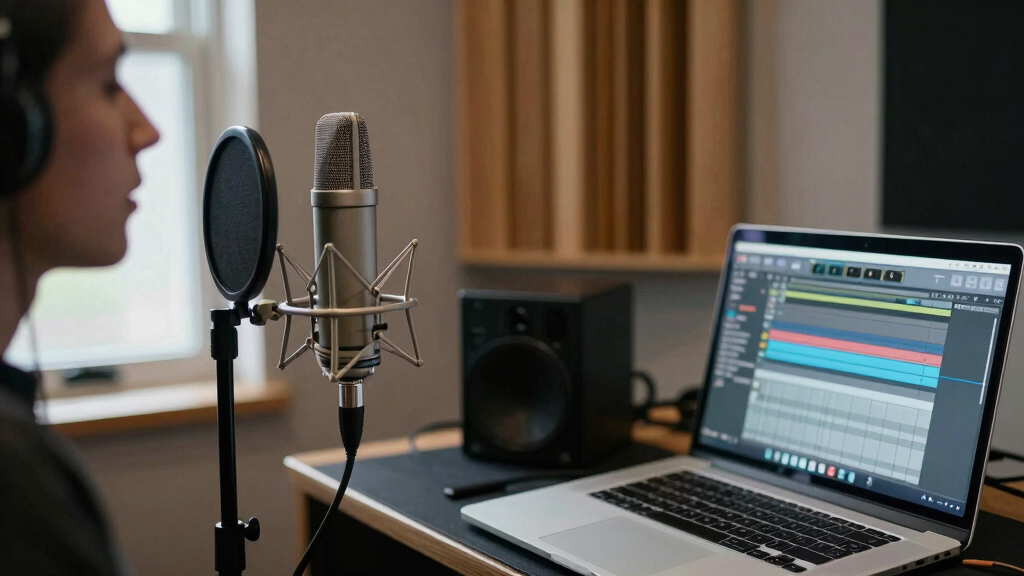

For anyone building a home studio, choosing the right condenser microphone is crucial for achieving professional-quality sound. The RØDE NT1 5th Gen stands out as the best overall pick because of its exceptional clarity and included accessories, making it ideal for vocal recording. The Audio-Technica AT2020 offers excellent value for beginners, while the Shure SM4 provides durability and versatility for more serious setups. Balancing sound quality, build, and price is the main challenge in this category, with options ranging from budget-friendly to premium. Continue reading for a detailed breakdown of the best condenser microphones for home studios in 2026.
Key Takeaways
- The top picks vary significantly in price, but all prioritize clear, natural sound for vocals and instruments.
- USB microphones like the Blue Yeti and FIFINE are great for ease of use, but XLR options like the RØDE NT1 typically deliver higher audio fidelity.
- Build quality and included accessories, such as shock mounts and pop filters, can add value and convenience.
- Choosing between USB and XLR depends on the intended use; USB is more straightforward for beginners, while XLR offers more professional flexibility.
- Budget-friendly options can deliver good results but often lack features like multiple pickup patterns or studio-grade components.


More Details on Our Top Picks
Logitech Creators Blue Yeti USB Microphone for PC, Mac, Gaming, Recording, Streaming, Podcasting, Studio and Computer Condenser Mic with Blue VO!CE effects, 4 Pickup Patterns, Plug and Play – Blackout
The Blue Yeti stands out for its exceptional versatility, offering four pickup patterns that cover most recording scenarios, from vocals to instruments, making it a top choice for creators who need flexibility. Its plug-and-play setup and onboard controls provide simplicity that appeals to beginners or those who want quick, professional results without complex gear. The Blue VO!CE software enhances voice quality with effects and modulation, rivaling some XLR options but with less control over sound shaping. Compared to the Shure SM4, which offers superior noise rejection and durability, the Yeti sacrifices some isolation for convenience. The main tradeoff is its USB-only connection, which limits professional audio interface integration, but for home studio users prioritizing ease, this is less critical. Overall, it makes the most sense for content creators, streamers, and podcasters seeking a high-quality, all-in-one solution.
Pros:- Four versatile pickup patterns for various recording needs
- Plug-and-play setup with onboard controls
- Blue VO!CE effects software enhances vocal sound
Cons:- USB connection limits professional audio interface integration
- Less effective at isolating background noise compared to XLR mics
Best for: Content creators, streamers, and podcasters who need a simple yet flexible microphone with broadcast-quality sound
Not ideal for: Professional musicians or those needing maximum noise rejection and audio control via XLR interfaces
- Connectivity Technology:USB
- Pickup Pattern:Multipattern
- Frequency Response:20 Hz – 20 kHz
- Signal-to-Noise Ratio:100 dB
- Microphone Form Factor:Tri-Capsule Array
- Power Source:Plug and Play
- Dimensions:4.92 x 4.72 x 11.61 inches
- Weight:3.51 pounds
Bottom line: Ideal for beginners and content creators who want a flexible, easy-to-use microphone with professional broadcast sound.
Audio-Technica AT2020 Cardioid Condenser Studio XLR Microphone, Ideal for Project/Home Studio Applications, Black
The Audio-Technica AT2020 provides outstanding value with its professional-grade cardioid condenser design, delivering clear, natural sound ideal for home studios. Its wide dynamic range and high SPL handling make it versatile for vocals, acoustic instruments, and more, rivaling higher-priced XLR mics. Compared to the RØDE NT1 5th Gen, which offers ultra-low noise and digital connectivity, the AT2020 is more affordable and simpler, but lacks the digital interface and noise floor advantages. The main tradeoff is its reliance on an external audio interface and the absence of onboard controls, requiring more setup but offering greater sound customization with an external preamp. This microphone makes perfect sense for project musicians, podcasters, and home producers who prioritize sound quality and budget without sacrificing professionalism.
Pros:- Excellent sound clarity with natural reproduction
- High SPL handling and wide dynamic range
- Affordable price for professional-grade XLR microphones
Cons:- Requires external audio interface for operation
- No onboard controls or digital connectivity
Best for: Home studio owners and musicians seeking a reliable, high-quality XLR condenser at an affordable price
Not ideal for: Streamers or content creators who prefer USB convenience and onboard effects
- Connectivity Technology:XLR
- Polar Pattern:Cardioid
- Frequency Response:20 Hz – 20 kHz
- Max SPL:144 dB
- Power Source:External Phantom Power
- Dimensions:2.09 x 6.61 inches
- Weight:12 ounces
Bottom line: A cost-effective choice for serious home producers needing professional XLR sound quality without extra features.
Shure SM4 Studio Recording Microphone Kit, XLR Home Studio Condenser Mic with Mix-Ready Audio – All-Metal Construction, Includes Detachable Magnetic Pop Filter & Shock Mount (SM4-K-KIT)
The Shure SM4 excels in delivering pristine, controlled sound with its large dual-diaphragm capsule, making it a top-tier choice for vocals, instruments, and broadcast-quality recordings. Its all-metal construction and included accessories like the magnetic pop filter and shock mount enhance durability and ease of use in a home studio environment. It offers superior off-axis rejection thanks to its tight cardioid pattern, outperforming many budget XLR mics like the Audio-Technica AT2020 in noisy environments. The SM4’s interference shielding technology significantly reduces RF noise, which is common in home setups. The main tradeoff is its higher price point and heavier build, which may be less suitable for mobile or compact setups. This mic suits serious home studio owners who want professional, reliable performance and noise suppression.
Pros:- Exceptional noise rejection and interference shielding
- Durable all-metal construction
- Includes pop filter and shock mount for convenience
Cons:- Higher cost compared to entry-level mics
- Heavier and less portable
Best for: Home studio owners and professionals requiring high rejection of background noise and robust construction
Not ideal for: Budget-conscious beginners or mobile streamers needing lightweight or USB mics
- Connectivity Technology:XLR
- Polar Pattern:Cardioid
- Frequency Response:20 Hz – 22 kHz
- Maximum SPL:140 dB
- Enclosure Material:All-Metal
- Included Accessories:Pop filter, Shock mount
- Weight:2.52 pounds
Bottom line: Perfect for home studios demanding professional sound quality and noise reduction in a durable package.
RØDE NT1 5th Gen Large-Diaphragm Studio Condenser Microphone – XLR & USB Outputs – Shock Mount & Pop Filter Included – Music Production, Vocal Recording, Podcasting – Black – Professional Audio
The RØDE NT1 5th Gen pushes the boundaries with both XLR and USB outputs, making it incredibly flexible for home and professional studios alike. Its ultra-low self-noise and high SPL handling rival the Shure SM4, but with the added convenience of digital connectivity, allowing direct PC or Mac recording without extra gear. Its proprietary Revolution Preamp and 192kHz digital conversion ensure pristine audio quality. Compared to the Blue Yeti, which is more plug-and-play, the NT1 offers greater control and lower noise floors, but at the expense of needing an interface or USB connection. The main tradeoff is its higher price and complexity, making it best suited for serious musicians and voice-over artists who want both analog and digital options in a single mic.
Pros:- Dual XLR and USB outputs for maximum flexibility
- Ultra-low self-noise and high SPL handling
- Includes shock mount and pop filter for professional use
Cons:- Higher price point due to advanced features
- Requires additional gear for XLR setup
Best for: Musicians, voice-over artists, and podcasters seeking a professional-grade microphone with versatile digital and analog connectivity
Not ideal for: Beginners who prefer simple plug-and-play solutions or streamers without audio interfaces
- Connectivity Technology:XLR & USB
- Frequency Response:20Hz – 20kHz
- Self-Noise:4 dBA
- Max SPL:140 dB
- Digital Conversion:192 kHz
- Power Source:Phantom Power (XLR)
- Dimensions:2.05 x 2.05 x 7.44 inches
Bottom line: A versatile, high-quality studio microphone perfect for creators needing both digital convenience and professional sound quality.
MAONO XLR/USB Condenser Microphone: 192kHz/24Bit Plug & Play PC Computer Podcast Cardioid Metal Mic Kit with Software, Professional Sound Chipset for Recording, Studio, Singing, YouTube A04 Gen2
The MAONO A04 Gen2 offers impressive flexibility with its dual XLR and USB connectivity, making it suitable for a variety of recording environments. Its professional sound chipset and 192kHz/24-bit sampling rate ensure clear, detailed audio, comparable to more expensive options like the RØDE NT1. Its cardioid pattern and included accessories, such as the pop filter and shock mount, help reduce noise and improve sound quality. Unlike the Blue Yeti, which is entirely USB, the MAONO provides compatibility with professional audio interfaces for higher control and lower noise floors. The main tradeoff is its reliance on software for noise reduction and parameter adjustments, which may not be as intuitive for beginners. It’s ideal for budget-conscious creators, streamers, and podcasters who want quality with expandability.
Pros:- Dual XLR and USB connectivity for flexibility
- High-resolution 192kHz/24-bit recording quality
- Includes accessories like shock mount and pop filter
Cons:- Requires phantom power for XLR mode
- Software-based noise reduction may be less straightforward
Best for: Budget-conscious home creators, podcasters, and streamers wanting versatile XLR/USB options with software control
Not ideal for: Professionals needing the absolute lowest noise floors and advanced onboard controls
- Connectivity Technology:XLR & USB
- Sampling Rate:192kHz/24bit
- Frequency Response:30Hz – 16kHz
- Polar Pattern:Cardioid
- Included Accessories:Shock mount, pop filter
- Power Source:USB or Phantom Power
- Dimensions:8.66 x 2.36 inches
Bottom line: A highly versatile, budget-friendly microphone suitable for a wide range of home recording and streaming needs.
Dejasound Upgraded Studio Recording Microphone with Isolation Shield & Pop Filter
This Dejasound kit stands out for its all-in-one design, making it ideal for newcomers to home recording or streamers who want a comprehensive solution. Compared to the Mackie EM-91C, it includes a foldable isolation shield and multiple accessories, offering greater noise reduction and convenience. The plug-and-play USB connection simplifies setup, especially for users without audio interfaces. The sound quality is clear and warm, suitable for podcasting, singing, and streaming, though it may lack the professional finesse of higher-end XLR mics. A notable tradeoff is the bundled accessories, which add value but can be bulky for minimal setups. The build feels solid, and the included soundproof shield effectively minimizes room noise, making it perfect for small studios or streaming setups. However, the pop filter’s attachment is weak, and the kit’s weight can reduce portability. Overall, this pick makes the most sense for beginners seeking a ready-to-use, all-in-one microphone package for home projects.
Pros:- Complete all-in-one kit with shield, pop filter, headphones, and stand
- Plug-and-play USB connectivity for quick setup
- Excellent noise reduction with foldable soundproof shield
Cons:- Weak attachment of the pop filter to the arm
- Heavy and somewhat bulky for portable use
- Limited upgrade potential for professional audio engineers
Best for: Beginners, podcasters, streamers who want an easy, all-in-one setup
Not ideal for: Professional musicians or those needing ultra-high fidelity XLR connections
- Connectivity Technology:USB
- Polar Pattern:Hyper Cardioid
- Diaphragm Size:16mm
- Sampling Rate:192kHz/24Bit
- Frequency Response:30Hz–16kHz
- Included Accessories:Isolation shield, pop filter, headphones, stand
Bottom line: This microphone kit is perfect for beginners or casual content creators seeking a straightforward, high-quality recording experience without extra hardware.
Mackie EM-Series, Large-Diaphragm Condenser Microphone (EM-91C)
The Mackie EM-91C is favored for its professional-grade sound at an accessible price, making it suitable for home studio owners looking for warmth and clarity. Unlike the Dejasound, it relies on an XLR connection, which may require an audio interface but offers greater upgradeability and sound fidelity. Its rugged build ensures durability and reliability for frequent use. The cardioid polar pattern effectively reduces ambient noise, ideal for vocal recording and instruments. Compared to the FIFINE T669, the EM-91C delivers a more detailed and natural sound, though it lacks USB convenience. The included shock mount and XLR cable add to its professional appeal, but setup is less straightforward for beginners. The microphone’s sensitivity and low noise floor make it a top choice for those seeking a step up from entry-level USB mics. However, it does not include a stand or pop filter, which are sold separately. Overall, this mic makes sense for hobbyists upgrading to better studio quality without sacrificing durability.
Pros:- High-quality large-diaphragm capsule for warm, natural sound
- Durable, reliable construction suitable for frequent use
- Includes shock mount and XLR cable for professional setup
Cons:- Requires audio interface or mixer, increasing setup complexity
- No included stand or pop filter, adding extra costs
- Less convenient for quick, casual recording compared to USB mics
Best for: Home studio owners wanting professional sound quality and upgrade flexibility
Not ideal for: Complete beginners or streamers who prefer plug-and-play simplicity
- Connectivity Technology:XLR
- Polar Pattern:Unidirectional
- Frequency Response:20Hz–20kHz
- Sensitivity:78 dB
- Hardware Included:Shock mount, XLR cable
- Build Material:Stainless Steel
Bottom line: Ideal for serious hobbyists or small studios seeking a reliable, upgradeable condenser microphone with professional sound.
KENBAIDIO CM-308-Desktop XLR Microphone with Accessories
The KENBAIDIO CM-308-Desktop offers a solid XLR condenser microphone at an attractive price point, making it suitable for entry-level home studios or hobbyists. Compared with the Mackie EM-91C, it provides a similar professional XLR setup but with fewer accessories included, and its sound quality is acceptable but not as refined as higher-tier models. The package includes a full set of accessories—shock mount, pop filter, windscreen, and stand—providing good value for those starting out. Its durable metal construction ensures longevity, though the sound may lack the nuance of more expensive microphones. Setup requires an external phantom power source, which might add some complexity for novice users. The microphone is best suited for voice, podcasting, and casual music recording but may not satisfy professional or critical recording needs. The weak pop filter attachment and limited warranty are minor drawbacks. Overall, this mic offers a great balance of quality and affordability for hobbyists on a budget.
Pros:- Affordable price with professional XLR connection
- Includes a full accessory kit (shock mount, pop filter, stand)
- Metal build for durability
Cons:- Sound quality is basic and less refined than higher-end models
- Pop filter attachment is weak, may need replacement
- Requires external phantom power, adding setup complexity
Best for: Budget-conscious beginners starting with XLR setups for voice and streaming
Not ideal for: Advanced users or those requiring studio-grade sound fidelity
- Connectivity Technology:XLR
- Polar Pattern:Unidirectional
- Frequency Response:20Hz–20kHz
- Included Accessories:Shock mount, pop filter, stand
- Build Material:Metal
- Power Source:Phantom power required
Bottom line: This microphone kit makes a good starting point for hobbyists seeking an inexpensive, complete XLR microphone solution for home use.
FIFINE T669 Black Studio Condenser USB Microphone with Boom Arm
The FIFINE T669 excels for streamers and casual podcasters who prioritize ease of use and bundled accessories. It offers a straightforward USB connection, making it perfect for users who want quick setup without extra hardware like audio interfaces. Compared to the Dejasound kit, it includes a sturdy boom arm and shock mount, which improve stability and reduce desk noise. Its wide frequency response and noise handling make it suitable for vocals, gaming, and YouTube videos. The build quality is robust and the design sleek, though it lacks the advanced features of more expensive XLR mics. It’s ideal for content creators who need reliable, decent sound with minimal fuss, but it may fall short for professional-grade recording or critical mixing. The bundled accessories, including the arm and pop filter, make it a strong value, although the microphone’s sensitivity can pick up background noise if not positioned carefully. Overall, this is a smart choice for those starting out or streaming in a home environment.
Pros:- USB plug-and-play for easy setup
- Includes adjustable boom arm and shock mount
- Good sound clarity for streaming and voice videos
Cons:- Build quality is solid but not professional-grade
- Sensitive to background noise, needs careful positioning
- Limited features compared to higher-end microphones
Best for: Streamers, YouTubers, and casual content creators seeking plug-and-play convenience
Not ideal for: Musicians or professional studios requiring high-fidelity recording
- Connectivity Technology:USB
- Polar Pattern:Cardioid
- Frequency Response:20Hz–20kHz
- Included Accessories:Boom arm, shock mount, pop filter
- Build Material:Metal
- Maximum SPL:127dB
Bottom line: Perfect for casual content creators who want a reliable, easy-to-use microphone with included accessories for streaming or basic recording.

How We Picked
These microphones were selected based on performance, build quality, versatility, and value for home studio use. Priority was given to models with clear, natural sound reproduction suitable for vocals and instruments. Ease of setup and included accessories were also considered, as they enhance user experience, especially for beginners. The ranking balances price against features, ensuring that each option offers a distinct advantage for different types of users—from novices to seasoned content creators. Ultimately, these picks represent the best mix of quality and usability within various budget ranges.Factors to Consider When Choosing Best Condenser Microphones For Home Studios
Choosing the best condenser microphone for a home studio involves more than just price and brand. It’s important to consider how you’ll use the microphone, your recording environment, and your future needs. Understanding key factors like microphone type, connectivity, and included accessories can help you avoid costly mistakes and select a model that truly fits your workflow.Microphone Type and Connectivity
Condenser microphones typically connect via USB or XLR, each offering different benefits. USB mics are plug-and-play, making them ideal for beginners or quick setups. XLR mics require an audio interface but generally deliver higher sound quality and greater flexibility for future upgrades. Consider your current setup and whether you plan to expand your studio, as choosing the right connection impacts both sound and convenience.
Sound Quality and Polar Patterns
High-quality condenser microphones should capture a natural, detailed sound, especially for vocals and acoustic instruments. Most home studio models feature cardioid pickup patterns, which focus on sound sources directly in front of the mic, reducing room noise. If you plan to record multiple sources or in more challenging environments, a mic with multiple polar patterns might be worth the extra investment. Remember, better sound quality often comes with a higher price, but it can significantly improve your recordings.
Build Quality and Durability
Since home studio microphones are often used frequently, durability matters. Metal construction and high-quality components ensure longevity and consistent performance. Additionally, consider whether the microphone includes accessories like shock mounts and pop filters, which protect against vibrations and reduce plosive sounds—saving you setup time and improving audio clarity.
Size, Form Factor, and Ease of Use
Microphones come in different sizes and shapes, affecting how easy they are to position and integrate into your space. Compact models are more portable and easier to set up in tight spaces, but larger diaphragm mics often provide better sound quality. Simpler models with minimal controls are best for beginners, while more advanced mics offer additional features for seasoned users.
Price and Value
While it can be tempting to opt for the most affordable mic, investing in a slightly higher-quality model often yields better results and longer-lasting performance. Look for value in included accessories, build quality, and sound performance rather than just sticker price. Consider your long-term needs—spending more upfront can save money later on upgrades or replacements.
Frequently Asked Questions
Should I choose a USB or XLR condenser microphone for my home studio?
Choosing between USB and XLR depends on your current setup and future plans. USB microphones are straightforward, requiring no additional equipment, making them perfect for beginners or quick setups. However, XLR mics connect to an audio interface, offering higher sound fidelity and more flexibility for upgrades. If you plan to expand your studio or prioritize top audio quality, an XLR system is generally the better investment, despite the increased complexity.
What features should I prioritize if I want to record vocals at home?
For vocal recording, prioritize a condenser microphone with a cardioid polar pattern to focus on your voice and minimize room noise. Look for models with a large diaphragm for richer, fuller sound. Accessories like a pop filter and shock mount are also essential to improve clarity and reduce unwanted noise. Lastly, consider ease of use—plug-and-play USB options are convenient, but XLR mics paired with a quality interface often deliver superior vocal recordings.
Is it worth spending more on a premium condenser microphone?
Investing in a premium condenser microphone can significantly improve your sound quality, especially if you’re recording professional vocals, instruments, or producing content regularly. Higher-end models often feature better components, more detailed frequency responses, and greater durability. However, if you’re a beginner or casual user, a mid-range mic can offer excellent results without the higher price tag. Consider your goals and whether the investment aligns with your current needs.
Can I use a condenser microphone in untreated rooms?
While you can use a condenser microphone in untreated rooms, the sound might be affected by room reflections, ambient noise, and echoes. To get the best results, consider adding acoustic treatments like foam panels or reflection filters, which can help reduce unwanted reverberations. Many home studio users find that a well-placed mic with proper positioning can still deliver good results even without perfect room acoustics, but some room correction can make a noticeable difference.
What should I look for in a microphone for streaming or podcasting?
For streaming or podcasting, clarity and ease of use are key. A cardioid condenser microphone that captures your voice clearly while minimizing background noise is ideal. USB microphones are popular because they are simple to set up and operate. Features like headphone monitoring, adjustable gain, and built-in pop filters can enhance your recording experience. Choosing a microphone with a sturdy build and a user-friendly interface ensures consistent, professional-sounding content.
Conclusion
For newcomers, the Audio-Technica AT2020 provides excellent value with straightforward setup and solid sound quality. Content creators seeking a simple, reliable solution will appreciate the FIFINE T669 USB for its affordability and ease of use. Serious home studio owners or those aiming for professional results should consider the RØDE NT1 5th Gen for its superior sound clarity and included accessories. If durability and versatility matter most, the Shure SM4 offers a robust build with versatile features. Ultimately, your choice should hinge on your budget, setup preferences, and long-term recording goals.