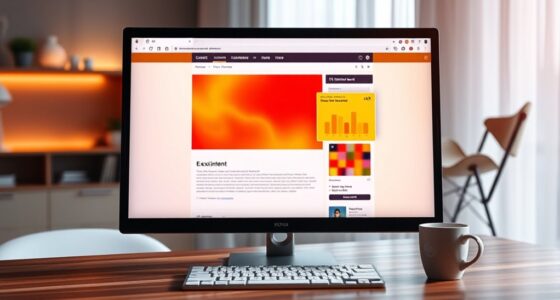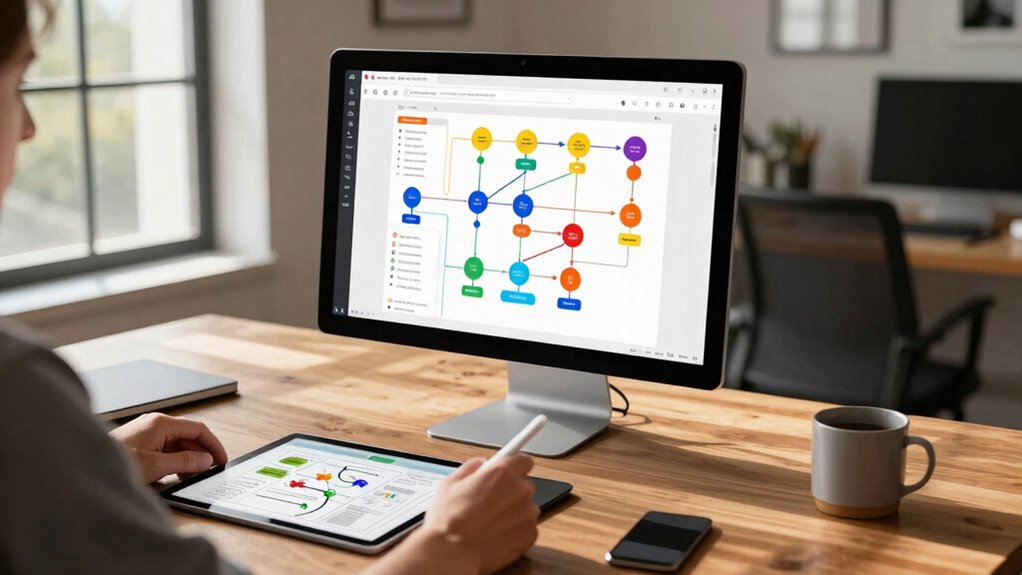

To turn search intent into a better site navigation plan, start by analyzing what users are looking for and their search patterns. Organize your content to match those needs, using clear labels and logical groupings that reflect their mental models. Create pathways from general to specific information, making it easy to find what they want with minimal clicks. By aligning your navigation with user intent, you’ll enhance satisfaction and engagement—more tips await to help you optimize further.

Get smart everyday buys delivered free with Prime
- Fast, free delivery on millions of items
- Prime Video, Amazon Music and more included
- Member-only deals all year
Key Takeaways
- Analyze user query types to identify common search patterns and prioritize content accordingly.
- Organize navigation pathways from general topics to specific details based on user mental models.
- Use clear, familiar labels aligned with user language to improve understanding and usability.
- Segment navigation options for different visitor groups, such as newcomers and returning users.
- Continuously refine site structure using user behavior data to enhance relevance and ease of access.
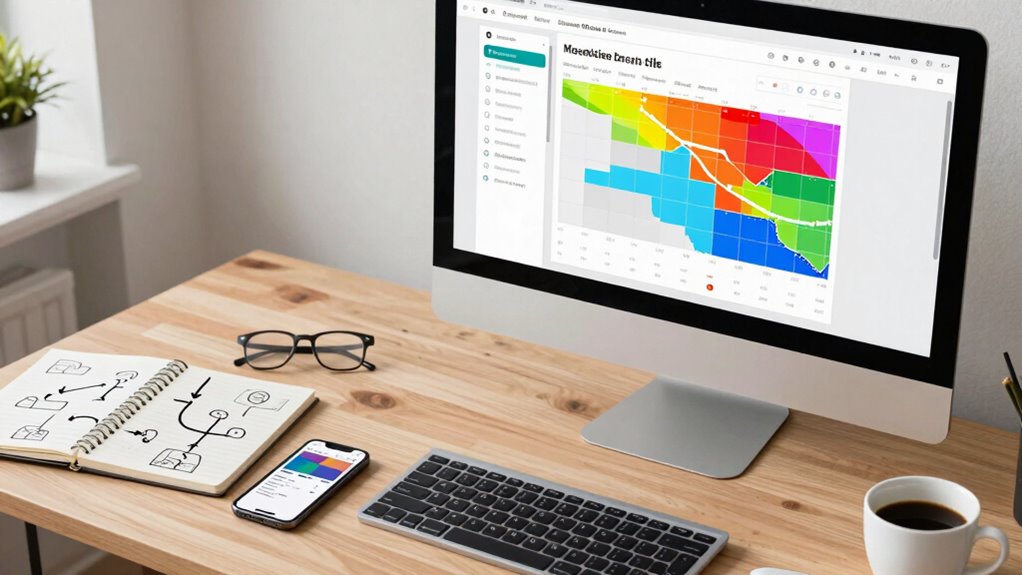
Understanding search intent is vital for creating an effective website because it determines what your visitors are actually looking for and how they prefer to find it. When you tap into user behavior, you gain insight into their motivations and expectations. This understanding allows you to design a site navigation plan that aligns with their needs, making it easier for them to locate relevant content quickly and efficiently.
Understanding search intent helps you create intuitive navigation that meets visitors’ needs quickly and effectively.
To turn search intent into better navigation, start by analyzing the types of queries your target audience is using. Are they seeking quick answers, detailed information, or specific products? Recognizing these patterns guides you in structuring your content hierarchy. For example, if many users search for broad topics, your homepage and main categories should clearly reflect those areas. Conversely, if they’re looking for niche details, create dedicated sections or subcategories that drill down into those specifics.
Your content hierarchy should mirror user behavior, organizing information in a way that matches their mental models. Think of it as creating pathways that lead visitors naturally from general to specific information, minimizing frustration and bounce rates. When your navigation reflects how users think about your content, they’ll find what they need without unnecessary clicks or confusion. Use clear labels and logical groupings that match the language your audience uses, reinforcing their understanding of where they are and where they want to go next. Additionally, incorporating user behavior insights can help optimize your navigation structure further by aligning it with real-world search patterns and preferences. Understanding search intent is essential for designing a site that remains relevant and user-centric, ensuring your content meets visitors’ expectations effectively.
Also, consider how search intent varies across different visitor segments. New visitors might need broad overview pages, while returning customers look for detailed resources or account-specific information. Tailoring your navigation to accommodate these differences enhances user experience and encourages longer site visits. Incorporate intuitive menus, breadcrumb trails, and well-placed calls to action that match their intent, reducing the effort needed to navigate your site. Furthermore, understanding how content organization impacts user satisfaction can help you structure your site more effectively.
As an affiliate, we earn on qualifying purchases.
Frequently Asked Questions
How Can I Prioritize Search Intent When Designing Navigation?
To prioritize search intent when designing navigation, focus on enhancing user experience by aligning menu labels with what users seek. Organize your content hierarchy to reflect common search queries, making essential pages easy to find. Use clear categories and logical pathways, guiding visitors naturally to their goals. This approach guarantees your site meets user needs efficiently, boosting engagement and satisfaction while making navigation intuitive and responsive to different search intents.
What Tools Are Best for Analyzing Search Intent?
Think of analyzing search intent as planting a flag on a treasure map. You’ll want tools like SEMrush and Ahrefs to uncover keyword data, while Google Analytics helps track user behavior. Use keyword mapping to connect search intent with specific content, and develop user personas to understand your audience’s needs. These tools together guide you in crafting navigation that speaks directly to what your visitors seek, making your site a navigational compass.
How Often Should I Update Site Navigation Based on Search Trends?
You should update your site navigation every few months to stay aligned with changing search trends. Regular updates improve content relevance and keyword optimization, helping users find what they need faster. Keep an eye on evolving search intent, and adjust your menu structure accordingly. This guarantees your site remains user-friendly and competitive, ultimately boosting engagement and search engine rankings. Consistent updates keep your navigation fresh and tailored to current user needs.
Can Search Intent Improve Overall User Engagement?
Think of search intent as a compass guiding your site’s ship. When you align your navigation with user motivation and content relevance, you create a smoother journey. This boosts user engagement by making your site feel intuitive and tailored, encouraging visitors to stay longer and explore more. By understanding what users seek and tailoring your navigation accordingly, you turn casual visitors into loyal explorers, enriching their experience and your site’s success.
How Do I Handle Conflicting Search Intents on One Page?
To handle conflicting intents on one page, prioritize clarity to reduce user confusion. Use clear headings, concise summaries, and tailored calls-to-action that address each intent separately. Incorporate filters or tabs if possible, allowing users to navigate based on their specific needs. This way, you cater to conflicting intents effectively, guiding visitors smoothly and enhancing their experience without overwhelming them.
As an affiliate, we earn on qualifying purchases.
Conclusion
By aligning your site navigation with user search intent, you’ll create a seamless experience that keeps visitors engaged. When your site is intuitive, users find what they need faster, boosting satisfaction and conversions. Did you know 88% of online shoppers are less likely to return to a site after a poor experience? So, understanding and applying search intent isn’t just smart — it’s essential for keeping visitors happy and coming back for more.
As an affiliate, we earn on qualifying purchases.
user behavior analytics software
As an affiliate, we earn on qualifying purchases.
As an affiliate, we earn on qualifying purchases.
Halloween Picks
halloween
As an affiliate, we earn on qualifying purchases.