
TL;DR

Get smart everyday buys delivered free with Prime
- Fast, free delivery on millions of items
- Prime Video, Amazon Music and more included
- Member-only deals all year
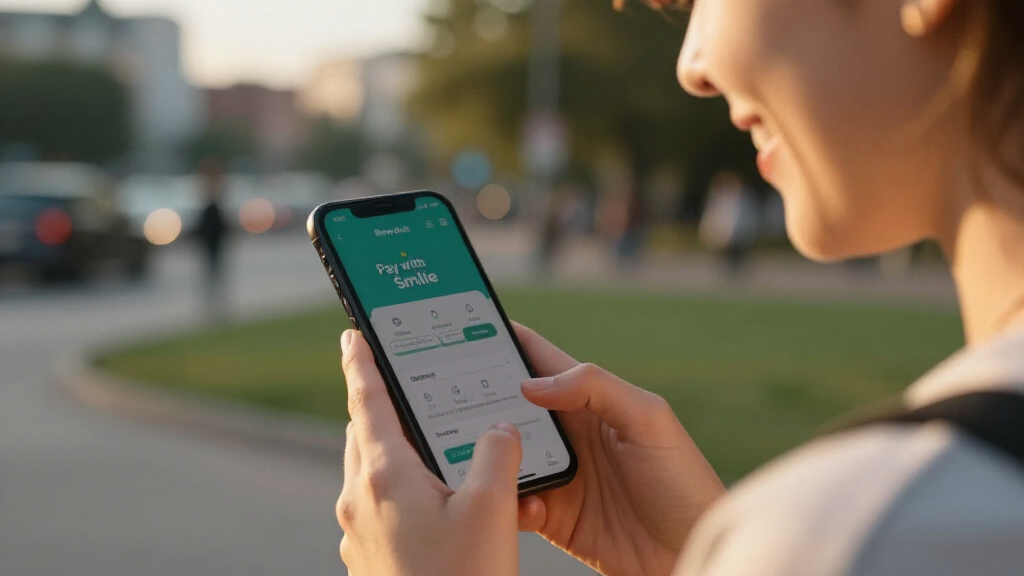
Revolut has begun a trial of ‘Pay with Smile,’ a biometric payment feature using facial recognition. The move signals interest in innovative payment methods, but details remain limited.
Revolut has begun testing a new payment feature called ‘Pay with Smile,’ which uses facial recognition technology to authorize transactions. This development reflects a broader interest in biometric payment methods and could impact how consumers interact with digital banking services. The trial is currently limited and details are still emerging, but it marks a significant step in exploring alternative authentication methods in fintech.
The fintech company Revolut announced it is trialing a feature named ‘Pay with Smile,’ which enables users to authorize payments through facial recognition. The test is currently in a pilot phase, with a select group of users participating in the trial. According to Revolut, the feature aims to provide a faster, contactless way to complete transactions, reducing reliance on PINs or passwords.
Revolut has not disclosed specific technical details or the scope of the trial, nor has it announced plans for a wider rollout. The company confirmed that the facial recognition system is designed with privacy and security in mind, employing encryption and biometric data safeguards. The feature is being tested on compatible smartphones with front-facing cameras, and users are being invited to opt-in voluntarily.
Industry observers note that this move aligns with broader trends toward biometric authentication in banking and retail, where convenience and contactless experiences are increasingly prioritized. However, the trial’s success and user acceptance remain uncertain, and regulators are likely to scrutinize such biometric initiatives closely.
Potential Impact of Biometric Payments on Consumer Banking
The trial of ‘Pay with Smile’ signals a possible shift toward biometric authentication in everyday transactions, which could revolutionize how consumers access and authorize payments. If successful, this technology might reduce transaction times, enhance security, and improve user convenience. It also raises questions about data privacy, biometric data security, and regulatory oversight, which could influence adoption and acceptance across markets.
For consumers, this could mean a future where payments are completed seamlessly through facial recognition, minimizing the need for PINs, passwords, or contact-based methods. For banks and fintech firms, it presents both an opportunity to innovate and a challenge to address privacy concerns effectively. The broader financial ecosystem will need to balance technological advancement with regulatory compliance and consumer trust.
As an affiliate, we earn on qualifying purchases.
Growing Interest in Biometric Payment Technologies
Interest in biometric payment solutions has been rising over the past few years, driven by the demand for faster, contactless transactions amid health and safety concerns. Major tech firms and financial institutions have introduced or experimented with facial recognition, fingerprint scanning, and other biometric methods for authentication.
Despite this, widespread adoption remains limited, partly due to privacy concerns and regulatory hurdles. The recent spike in coverage and search interest around ‘Pay with Smile’ suggests that industry observers and consumers are paying closer attention to biometric innovations in banking, possibly signaling a new phase of development. The exact trigger for this increased interest remains unconfirmed, but it aligns with broader trends in digital identity and contactless payments.
Previous attempts at biometric payments have faced challenges related to security, privacy, and user acceptance, but technological advances and evolving regulations could pave the way for broader adoption in the coming years.
biometric payment authentication smartphone
As an affiliate, we earn on qualifying purchases.
As an affiliate, we earn on qualifying purchases.
Unconfirmed Details and Regulatory Considerations
It is not yet clear how widely Revolut plans to roll out ‘Pay with Smile’ if the trial proves successful, or how long the testing phase will last. The specific technical safeguards, data privacy measures, and regulatory compliance strategies are still undisclosed. Additionally, the acceptance of facial recognition payments by regulators and consumers remains uncertain, especially given ongoing debates about biometric data privacy and security.
contactless facial recognition payment system
As an affiliate, we earn on qualifying purchases.
As an affiliate, we earn on qualifying purchases.
Next Steps in Revolut’s Biometric Payment Trial
Revolut is expected to continue testing ‘Pay with Smile’ with selected users, gathering feedback on usability, security, and privacy. The company may also evaluate regulatory responses and technical performance before considering a wider rollout. Industry observers will watch for official updates or announcements from Revolut regarding the trial’s outcomes and future plans.
As an affiliate, we earn on qualifying purchases.
Key Questions
How does ‘Pay with Smile’ work?
According to Revolut, the feature uses facial recognition technology to authenticate payments, allowing users to authorize transactions by simply smiling at their device’s camera.
Is ‘Pay with Smile’ secure?
Revolut states that the biometric data is encrypted and stored securely, with privacy safeguards in place. However, the security effectiveness will depend on implementation and regulatory standards.
When will ‘Pay with Smile’ be available to all Revolut users?
There is no confirmed timeline for a broader rollout. The feature is currently in a limited trial phase, and further developments depend on trial results and regulatory approval.
Experts and regulators express concerns about biometric data collection, storage, and potential misuse. Ensuring transparency, user consent, and robust security measures are critical for acceptance.
Could biometric payments replace PINs and passwords?
Potentially, if proven secure and accepted by users and regulators, biometric payments could become a primary authentication method, reducing reliance on traditional PINs and passwords.
Source: rss
Halloween Picks
halloween
As an affiliate, we earn on qualifying purchases.