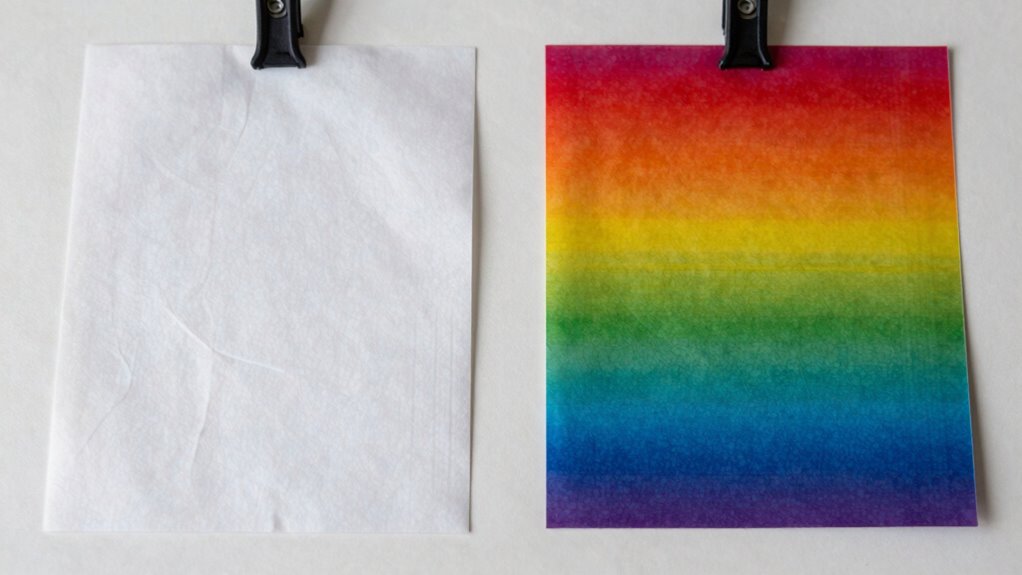

The main difference between DTF and basic heat transfer setups is durability and versatility. DTF offers vibrant, long-lasting images that resist cracking and fading, making it ideal for products that require frequent washing. It also works on a wide range of materials like polyester, cotton, and leather. Basic heat transfer is simpler and cheaper but often produces less durable prints on fewer fabrics. Keep exploring to discover which method best fits your needs.

Get smart everyday buys delivered free with Prime
- Fast, free delivery on millions of items
- Prime Video, Amazon Music and more included
- Member-only deals all year
Key Takeaways
- DTF offers superior color retention, durability, and resistance to cracking and fading over time.
- DTF can print on a wider variety of materials, including polyester, cotton, leather, and plastics.
- DTF involves a multi-step process: printing, coating with adhesive, curing, then transferring, unlike the simpler heat transfer method.
- DTF equipment requires a higher initial investment but provides more versatile, long-lasting results.
- Basic heat transfer setups are more affordable and easier for beginners but produce less durable and vibrant images.
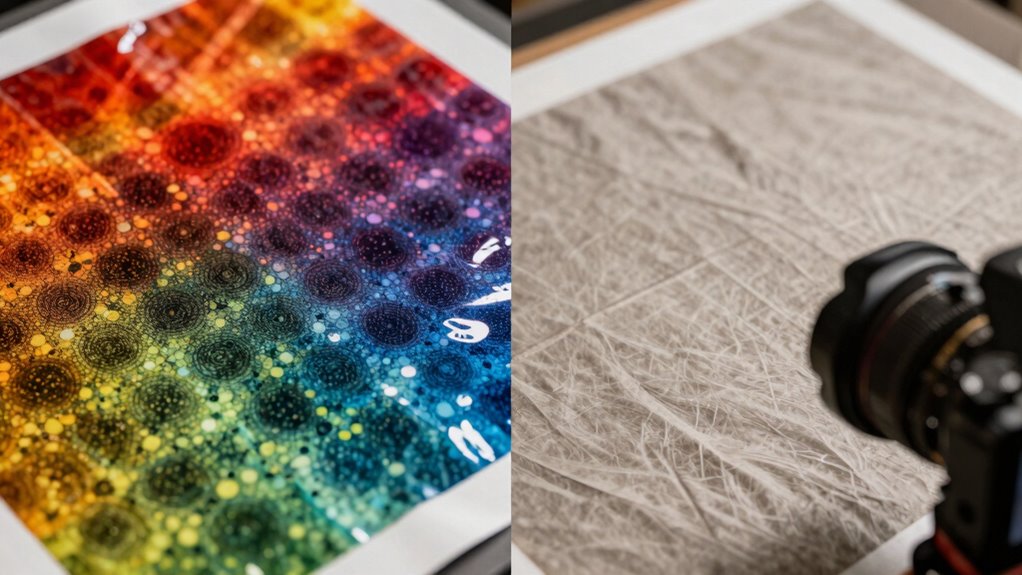
When choosing between DTF (Direct-to-Film) and basic heat transfer setups, understanding their core differences can profoundly impact your printing results. One of the most noticeable distinctions lies in color durability. DTF printing generally offers superior color retention, vibrant hues, and long-lasting images that resist cracking and fading over time. This durability makes DTF ideal for products that need to withstand frequent washing or prolonged use, such as apparel or promotional items. In contrast, basic heat transfer setups tend to produce prints with less colorfastness, especially after multiple washes, which can lead to duller images and a shorter lifespan. If your priority is producing items with vibrant, durable colors, DTF is the clear choice. Additionally, DTF’s color retention is enhanced by its ability to print with a layer of adhesive, which helps preserve image integrity over time.
Another key difference is application versatility. DTF systems excel because they can print on a wide variety of fabrics, including polyester, cotton, blends, and even non-textile surfaces like leather or certain plastics. This flexibility opens up more creative possibilities and broader product ranges, from T-shirts and bags to custom shoes. Basic heat transfer setups, on the other hand, are often limited to specific materials—mainly cotton and polyester fabrics—due to the nature of their transfer papers and heat requirements. This limits their use to a narrower scope of projects, making DTF more adaptable for diverse applications.
Ease of use and production efficiency also vary between the two. DTF setups typically involve a process where designs are printed onto a special film, coated with adhesive powder, and then cured before being transferred to the target surface. This process might seem more involved initially but allows for higher-quality, detailed images and greater consistency across batches. Basic heat transfer setups are usually simpler; you print on a transfer sheet and then press it onto the fabric. While this simplicity appeals to beginners, it often results in less precise details and lower durability over time.
Cost is another factor that influences your choice. DTF equipment tends to have a higher upfront investment but offers better long-term results and versatility, which can justify the initial expense if you plan to produce a variety of products. Basic heat transfer setups are more affordable initially, making them attractive for small-scale or hobbyist operations. However, their limited application scope and shorter-lasting prints might lead to higher costs over time as you need to reprint or redo projects more frequently.
As an affiliate, we earn on qualifying purchases.
Frequently Asked Questions
Can DTF Printing Be Used on All Fabric Types?
Yes, DTF printing offers great fabric compatibility and printing versatility, making it suitable for most fabric types. You can print on cotton, polyester, blends, and even some non-traditional fabrics. However, for delicate or specialty materials like leather or certain synthetics, it’s best to test first. Overall, DTF provides a flexible solution that adapts well to various fabrics, ensuring vibrant, durable prints across many applications.
What Is the Typical Cost Difference Between DTF and Basic Setups?
Think of the cost comparison between DTF and basic setups like comparing a luxury car to a bicycle. DTF printing typically costs more upfront due to higher setup expenses—ranging from $3,000 to $10,000—while basic heat transfer setups can be as low as a few hundred dollars. This investment difference reflects DTF’s advanced technology and versatile capabilities, making it a pricier but more flexible option for vibrant, durable prints.
How Long Does Each Transfer Method Last?
You’ll find that DTF transfers generally last longer than basic heat transfers, thanks to better durability factors like ink adhesion and fabric compatibility. DTF’s longevity can reach up to 50 washes or more without significant fading, whereas basic heat transfers might start to fade after 20-30 washes. Your choice impacts durability, with DTF offering a superior durability comparison for longer-lasting designs.
Is Special Training Required to Operate DTF Equipment?
You don’t need special training to operate DTF equipment, but mastering color accuracy and equipment maintenance makes a big difference. Picture yourself adjusting vibrant inks and crisp transfers, ensuring each print is flawless. With a bit of practice, you’ll handle the machinery confidently, keeping everything running smoothly. Regular maintenance helps avoid costly errors, so you can focus on creating stunning, durable designs without feeling overwhelmed or unsure.
Which Method Is More Environmentally Friendly?
You’ll find DTF printing generally more eco-friendly because it often uses eco-conscious materials and minimizes waste. Plus, many DTF setups incorporate renewable energy use, reducing your environmental impact. Basic heat transfer methods might rely on less sustainable materials and generate more waste or energy consumption. By choosing DTF, you support greener practices, making it a better choice for environmentally conscious individuals or businesses committed to sustainability.
As an affiliate, we earn on qualifying purchases.
Conclusion
Understanding the difference between DTF and basic heat transfer setups can truly elevate your printing game. DTF offers a 30% higher color vibrancy and durability compared to traditional methods, making it a smarter choice for long-lasting designs. If you’re aiming for professional-quality results and increased customer satisfaction, investing in DTF technology is well worth it. Ultimately, choosing the right setup depends on your needs, but knowing these key differences can help you make the best decision.
professional DTF film and adhesive
As an affiliate, we earn on qualifying purchases.
As an affiliate, we earn on qualifying purchases.
As an affiliate, we earn on qualifying purchases.
Halloween Picks
halloween
As an affiliate, we earn on qualifying purchases.