
When choosing ink for sellable art, pigment ink is your best bet. It offers superior durability, resisting fading, water, and smudging, ensuring your artwork stays vibrant and intact over time. Pigment inks are more eco-friendly, have a longer shelf life, and keep colors true, making them ideal for professional, long-lasting pieces. While dye ink produces more intense initial colors, it fades faster and is less suitable for high-quality, sellable art—discover more about the key differences.

Get smart everyday buys delivered free — and shop member deals
- Fast, free delivery on millions of items
- Access to Prime Big Deal Days deals on October 6–7
- Prime Video, Amazon Music and more included
Key Takeaways
- Pigment ink offers superior durability and colorfastness, ensuring artwork remains vibrant over time for sale purposes.
- Dye ink produces more initial vibrancy but fades faster, making it less ideal for long-term sellable art.
- Pigment inks are environmentally friendly, containing fewer VOCs and generating less hazardous waste, aligning with sustainable practices.
- Longer shelf life and resistance to water and smudging make pigment inks more reliable for professional, sellable art.
- Dye inks require quick processing and are less resistant to environmental factors, reducing their suitability for lasting art sales.
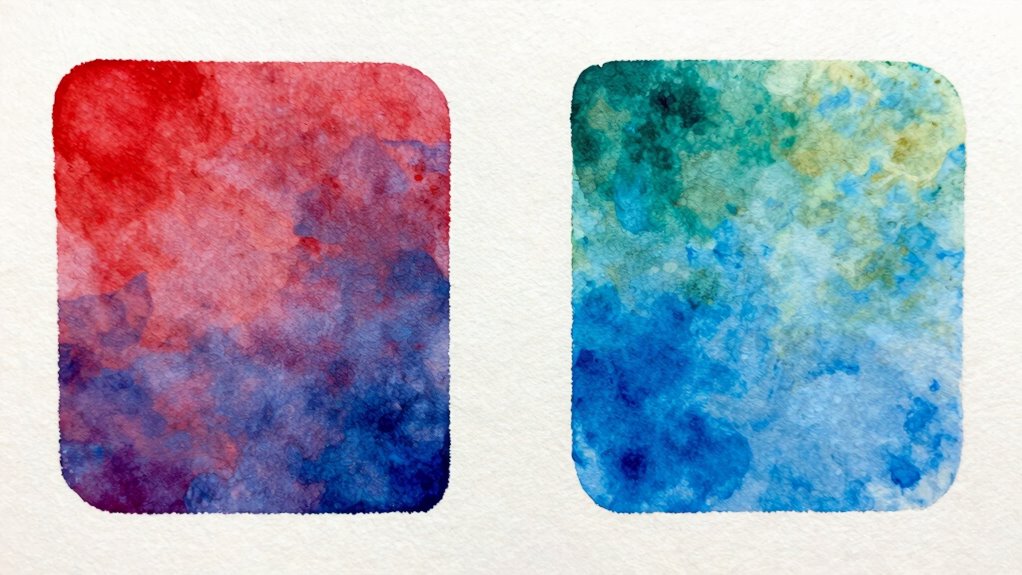
When choosing the right ink for your printing needs, understanding the differences between pigment and dye ink is essential. These two types of ink serve different purposes, especially when it comes to creating sellable art. Pigment ink contains tiny particles suspended in a liquid, which sit on the surface of the paper, offering excellent durability and longevity. Dye ink, on the other hand, dissolves completely into the paper fibers, resulting in vibrant colors but often at the expense of durability. Your choice impacts not just the appearance but also how your artwork will stand the test of time.
Choosing between pigment and dye ink affects your artwork’s durability, vibrancy, and long-term quality.
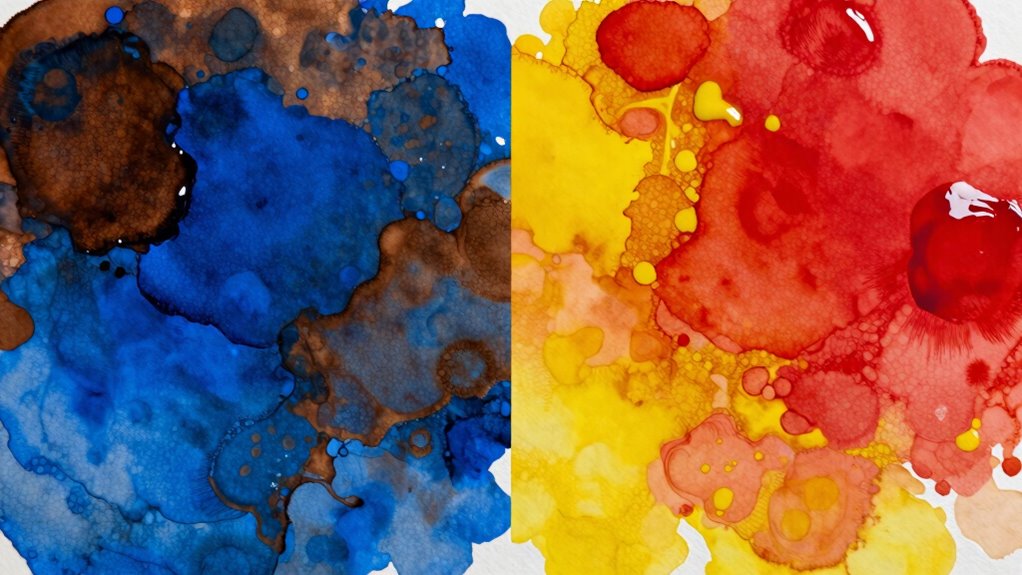
A key factor to consider is colorfastness comparison. Pigment ink generally outperforms dye ink in this area, maintaining its colors much longer without fading, even after extended exposure to light, moisture, or environmental pollutants. This makes pigment ink highly suitable for art pieces that you want to sell or showcase over time. Dye ink produces more vivid, intense colors initially, but those colors tend to fade faster when exposed to sunlight or humidity. If you’re aiming for art that stays true and vibrant years down the line, pigment ink is often the better option.
Another critical aspect is environmental impact analysis. Pigment inks are typically more eco-friendly because they contain fewer volatile organic compounds (VOCs) and generate less hazardous waste during manufacturing and disposal. They are often made with inorganic pigments that are more stable and less toxic. Environmental sustainability is an increasingly important consideration for artists committed to reducing their ecological footprint. If sustainability and reducing your ecological footprint matter to you, you’ll likely favor pigment inks, which align better with eco-conscious practices. Additionally, sustainable printing practices can further enhance your commitment to environmental responsibility. Choosing pigment inks can also contribute to long-term cost savings, as their durability means fewer replacements and less waste over time. Moreover, the stability of pigment particles contributes to a consistent print quality that artists can rely on for their professional work.
Furthermore, pigment inks tend to have a longer shelf life and are more resistant to water and smudging once dried, making them ideal for artists who need consistency and reliability. Dye inks, though vibrant, might require more careful handling and quicker processing to prevent smudging or color loss. For creating sellable art that maintains its quality over time and aligns with environmentally responsible standards, pigment ink often offers a compelling advantage.
As an affiliate, we earn on qualifying purchases.
Frequently Asked Questions
Which Ink Type Is More Eco-Friendly for Printing?
You’ll find that pigment inks are generally more eco-friendly for printing, making them better choices for sustainable printing practices. They use eco-friendly alternatives that produce less harmful waste and often contain fewer volatile organic compounds. By choosing pigment inks, you support environmentally conscious art production, reducing your environmental impact. This makes pigment ink a smarter option if you’re aiming for eco-friendly alternatives and sustainable printing methods that benefit both the planet and your artwork’s longevity.
Can Pigment Inks Be Used on All Paper Types?
Yes, pigment inks can be used on many paper types, but their performance depends on paper absorption and ink compatibility. Heavier, textured, or matte papers tend to work better because they absorb pigment ink well without smudging. However, glossy or coated papers might not be ideal, as they can resist absorption, leading to less vibrant colors or uneven application. Always test your paper to guarantee best results with pigment inks.
How Does Ink Longevity Affect Artwork Resale Value?
When ink fades over time, your artwork’s resale value drops, much like a vintage car losing its shine. You see, longevity directly impacts resale valuation—long-lasting inks preserve colors and detail, making pieces more appealing to buyers. If your art withstands the test of time, it retains its beauty and worth longer, boosting your confidence in its future value. Conversely, fading inks can diminish its desirability and market price.
Are Pigment or Dye Inks Better for Outdoor Displays?
You should choose pigment inks for outdoor displays because they offer better UV resistance, ensuring your artwork withstands sunlight without fading. Although pigment inks tend to be pricier than dye inks, their durability makes them a smart investment for long-lasting, sellable art. Dye inks may be cheaper initially, but they fade faster outdoors, reducing the artwork’s resale value over time.
Do Pigment and Dye Inks Impact Color Accuracy Differently?
Pigment and dye inks do impact color accuracy differently. Dye inks usually offer higher color vibrancy because they dissolve completely, creating bright, vivid colors. However, they tend to absorb ink differently, which can affect long-term color stability. Pigment inks, while slightly less vibrant initially, provide better color accuracy over time due to their resistance to fading. Your choice depends on whether you prioritize vibrancy or long-lasting color accuracy.
waterproof pigment ink for artists
As an affiliate, we earn on qualifying purchases.
As an affiliate, we earn on qualifying purchases.
Conclusion
Now that you understand the subtle yet significant differences between pigment and dye inks, you realize that choosing the right one isn’t just about color — it’s about longevity, quality, and the art’s future value. But here’s the question: which ink will truly elevate your work and captivate your audience in the long run? The choice you make now could define the masterpiece you create tomorrow. Are you ready to decide?
long-lasting dye ink for printing
As an affiliate, we earn on qualifying purchases.
As an affiliate, we earn on qualifying purchases.
As an affiliate, we earn on qualifying purchases.
Fall Picks
fall essentials
As an affiliate, we earn on qualifying purchases.