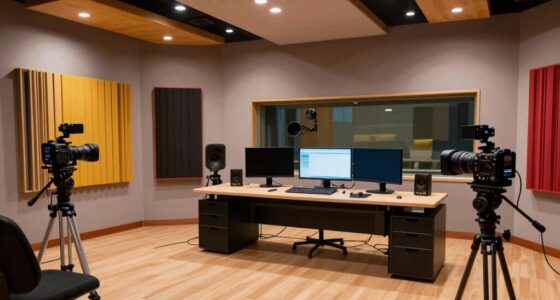
Your first 30 seconds are vital because they set the tone, grab attention, and build an emotional connection that keeps viewers engaged. It’s not about camera quality; it’s about how effectively you communicate your message through storytelling, visuals, and authenticity. A strong start can leave a memorable impression and encourage viewers to stay. If you want to discover how to make your initial moments truly impactful, keep exploring these key elements.

Get smart everyday buys delivered free with Prime
- Fast, free delivery on millions of items
- Prime Video, Amazon Music and more included
- Member-only deals all year
Key Takeaways
- The first 30 seconds establish emotional connection and set viewer expectations, often outweighing camera quality.
- Engaging storytelling and visuals create a memorable impression more quickly than technical features.
- Immediate relevance and authenticity capture attention, encouraging viewers to stay beyond initial moments.
- Visual impact and narrative hook drive engagement, making content compelling regardless of camera equipment.
- Focus on purpose and message delivery ensures audience retention, emphasizing content quality over camera specs.

When it comes to capturing your audience’s attention, the first 30 seconds are essential—more so than the quality of your camera. This initial window sets the tone for everything that follows. People decide quickly whether they want to keep watching or scroll past, so your focus should be on creating immediate audience engagement. Your goal isn’t just to look visually appealing; it’s to connect emotionally and pique curiosity right from the start. This is where visual storytelling becomes pivotal. Instead of relying solely on high-end equipment, you need to craft a compelling narrative that resonates instantly.
The first 30 seconds are key—connect emotionally and tell a compelling story to instantly engage your audience.
Think about what makes a story mesmerizing in those first few moments. It’s not just about flashy visuals but about establishing context, emotions, or a question that makes viewers want to see more. For example, opening with a striking image or a provocative statement can immediately draw viewers in. You’re using visual storytelling to create a mental hook—a way to communicate your message quickly and effectively. When you focus on storytelling early on, you give your audience a reason to stay engaged beyond the initial seconds. Their attention is captured because they see value or intrigue in what you’re sharing.
Audience engagement hinges on your ability to communicate your story visually and emotionally. You don’t need the latest camera gear to do this; instead, you should prioritize what you’re saying and how you’re saying it. Think about the power of a well-composed shot, a relatable moment, or a clear, authentic message. These elements work together to establish a connection. When viewers recognize themselves or their interests in what you present, they’re more likely to stay engaged throughout your entire piece.
Your first 30 seconds are your opportunity to make a memorable impression. Use it to introduce a compelling visual story that resonates on a personal level. Focus on clarity, emotion, and authenticity. Craft your opening to invite curiosity, provoke thought, or elicit an emotional response. The quality of your camera can help enhance your storytelling, but it’s your ability to connect and communicate that truly captures attention. Remember, it’s not about showing off equipment; it’s about showing up with purpose, engaging visuals, and a story worth watching. An understanding of visual storytelling can make all the difference in capturing and holding your audience’s interest. When you master this, your audience will stay engaged, enthusiastic to see what you reveal next.
best affordable video storytelling tools
As an affiliate, we earn on qualifying purchases.
As an affiliate, we earn on qualifying purchases.
Frequently Asked Questions
How Can I Improve My First Impression Quickly?
To improve your first impression quickly, use effective first impression strategies like maintaining good posture, smiling genuinely, and making eye contact. Employ quick rapport techniques such as mirroring their body language and showing active listening. These actions help you appear approachable and confident, instantly building trust. Keep your tone warm and positive, and be prepared to engage meaningfully. This approach makes a memorable impact right from the start.
What Non-Verbal Cues Are Most Impactful Initially?
They say, “A picture is worth a thousand words,” but your non-verbal cues speak volumes in seconds. You should focus on maintaining genuine eye contact and using open facial expressions to convey confidence and warmth. Smile naturally, avoid crossed arms, and lean slightly forward. These cues make a positive impact quickly, showing you’re approachable and engaged. Your body language can set the tone before a single word is spoken.
Does Body Language Outweigh Spoken Words Early On?
Yes, body language often outweighs spoken words early on. You should focus on your facial expressions and eye contact, as they instantly communicate confidence and openness. When you maintain steady eye contact and smile genuinely, you build trust quickly. Your body posture, gestures, and facial cues set the tone, making your words more impactful later. Prioritize these non-verbal cues to make a strong, positive first impression.
Can Tone of Voice Influence First Impressions More Than Appearance?
Your tone of voice can impact first impressions more than appearance. Imagine stepping into a room where your vocal warmth instantly puts others at ease, and your speech clarity guarantees your message resonates clearly. These qualities create a welcoming aura, inviting trust and interest. When your voice conveys confidence and friendliness, it shapes perceptions faster than looks alone, making your first moments memorable and impactful.
How Do Cultural Differences Affect First 30-Second Impressions?
Cultural differences profoundly influence your first 30-second impressions. You need to be aware of cultural nuances, such as greetings and gestures, to make a positive impact. For instance, some cultures prefer a handshake, while others favor bowing or cheek kissing. By adapting your greeting customs to match the cultural expectations, you show respect and openness, helping you establish trust and connection right from the start.
video editing software for beginners
As an affiliate, we earn on qualifying purchases.
As an affiliate, we earn on qualifying purchases.
Conclusion
Remember, those first 30 seconds are like the opening act of a grand show—they set the stage and captivate your audience’s heart. Your words and presence are the brushstrokes painting an unforgettable picture, far more powerful than any shiny camera lens. So, step into the spotlight with confidence, knowing that your authenticity and energy will leave a lasting impression. Because in the world of connection, your genuine spark outshines the brightest camera.
visual storytelling accessories for videos
As an affiliate, we earn on qualifying purchases.
As an affiliate, we earn on qualifying purchases.
camera accessories for engaging videos
As an affiliate, we earn on qualifying purchases.
As an affiliate, we earn on qualifying purchases.
Fall Picks
fall essentials
As an affiliate, we earn on qualifying purchases.