TL;DR

Get smart everyday buys delivered free with Prime
- Fast, free delivery on millions of items
- Prime Video, Amazon Music and more included
- Member-only deals all year
Hisense has revealed a comprehensive strategy focused on artificial intelligence to drive future growth. The plan aims to enhance product innovation and expand market reach, marking a significant shift towards AI integration.
Hisense has introduced a new strategic plan centered on artificial intelligence (AI) to accelerate innovation and market expansion. This move aims to position the company as a leader in the next era of smart living, with a focus on AI-powered products and solutions.
The company’s strategy, announced via a press release from PR Newswire, details a comprehensive approach to integrating AI across its product lines, including televisions, home appliances, and smart devices. Hisense plans to invest heavily in AI research and development, aiming to enhance user experience, improve product efficiency, and develop new revenue streams.
According to the company, this strategy will involve collaborations with AI technology firms and academic institutions to foster innovation. The initiative emphasizes creating AI-driven smart ecosystems that connect devices seamlessly, offering consumers more personalized and intuitive experiences. Hisense also plans to expand its AI capabilities into new markets, including smart home and industrial applications.
Implications of Hisense’s AI Strategy for Market Leadership
This announcement signals a strategic shift for Hisense towards AI integration, aligning with broader industry trends. By prioritizing AI, Hisense aims to strengthen its competitive position in the global consumer electronics market, potentially influencing industry standards and consumer expectations. The move could accelerate innovation in smart home technology and expand the company’s market share in emerging AI-driven sectors.
Products Worth Considering

Brother Work Smart 1360 Wireless Color Inkjet All-in-One Printer

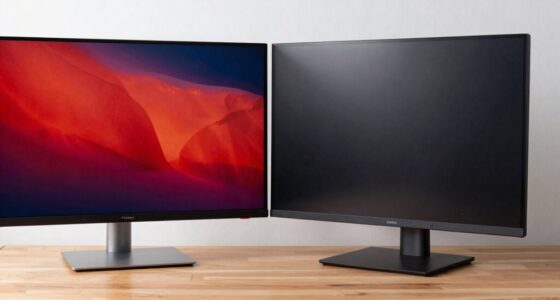
Dell UltraSharp U2724DE 27-Inch WQHD IPS Black Monitor

LG UltraGear 32GX850A-B 32-inch 4K UHD OLED Gaming Monitor
As an affiliate, we earn on qualifying purchases.
Hisense’s Previous Innovations and Industry Position
Hisense, a major player in consumer electronics and home appliances, has historically focused on high-quality TVs and appliances. In recent years, the company has increased its investment in smart technology, including the launch of AI-enabled TVs and connected devices. This new strategy builds on these developments, signaling a more aggressive push into AI-driven innovation. The industry as a whole is rapidly adopting AI, with competitors like Samsung, LG, and Xiaomi also investing heavily in similar technologies.
“Our new AI-centered strategy will enable us to deliver smarter, more connected products that meet the evolving needs of consumers worldwide.”
— Hisense spokesperson
Details of Implementation and Market Impact Still Unclear
While the announcement outlines broad strategic intentions, specific details about implementation timelines, investment amounts, and product rollout plans remain unclear. It is also uncertain how quickly Hisense will achieve significant market impact and how competitors will respond to this shift.
Next Steps: Product Launches and Strategic Partnerships
Hisense is expected to begin unveiling AI-integrated products within the next 12 to 18 months. The company may also announce new partnerships with AI technology firms and research institutions to accelerate development. Monitoring upcoming product launches and corporate collaborations will provide further insights into the strategy’s execution and success.
Key Questions
What specific products will Hisense develop using AI?
While exact products are not yet announced, the company plans to incorporate AI into its TVs, home appliances, and smart devices, enhancing personalization and connectivity.
How much is Hisense investing in AI research and development?
The company has not disclosed specific investment figures. The strategy emphasizes significant R&D efforts, including collaborations with external AI firms and academic institutions.
When can consumers expect AI-powered products from Hisense?
Product launches are anticipated within the next 12 to 18 months, with initial AI-enabled devices expected to appear in the market during 2024 and 2025.
How does this strategy compare to competitors’ AI initiatives?
Many competitors, such as Samsung and LG, are also investing heavily in AI. Hisense’s approach emphasizes integrated ecosystems and strategic partnerships, which could differentiate its offerings.
Source: primary