
Choosing a gold ETF for a long-term portfolio starts with understanding what the fund owns, how it tracks gold, and how its risks compare with coins, mining shares, and other ways to invest. These three books are not ETFs; they are educational guides that can help readers make that choice. The One Rule of Gold and Silver is my leading pick for comparing investment formats, while The Gold Investor’s Playbook looks more approachable for beginners who want ETFs explained alongside coins and mining stocks. The Inside World of Gold Markets is the broader market-focused option for readers seeking context beyond product basics.

Get smart everyday buys delivered free with Prime
- Fast, free delivery on millions of items
- Prime Video, Amazon Music and more included
- Member-only deals all year
The tradeoff is scope versus specificity. A wide-ranging guide can help readers sort through different forms of gold exposure, but it may not provide the detailed fund-by-fund analysis an ETF shopper wants. The available descriptions do not confirm fund comparisons, expense-ratio coverage, tax guidance, or specific investment recommendations for any of these titles. I rank them by how clearly their stated subject matter can support a long-term ETF decision, while treating gaps in the product information as real limitations rather than filling them with assumptions.
Key Takeaways
- The One Rule of Gold and Silver ranks first because its stated framework covers ETFs alongside physical, digital, bond-based, and commodity gold, giving readers a direct way to compare exposure types.
- The Gold Investor’s Playbook is the most beginner-oriented title by its description, but the supplied information does not confirm how deeply it explains ETF mechanics or long-term portfolio use.
- The Inside World of Gold Markets is framed for investors at every level, making it the broadest market-context choice, though its description says little about specific ETF selection.
- None of these products is a gold ETF or a fund comparison list; they are books, so readers still need to verify current fund structure, holdings, costs, and tax treatment elsewhere.
- For a long-term investor, a useful guide should clarify the difference between direct gold exposure and mining-company exposure; the descriptions suggest this distinction, but do not verify the level of detail provided.
| The One Rule of Gold and Silver: Understanding Physical, ETF, Digital, Bond-Based, and Commodity Gold the Simple Way |  | Best Overall for Comparing Gold Exposure Types | Product type: Investment guide | Main subject: Gold and silver investment formats | ETF coverage: Explicitly named in the description | VIEW LATEST PRICE | See Our Full Breakdown |
| The Gold Investor’s Playbook: Beginner Strategies for Gold Coins, ETFs, Mining Stocks & More | 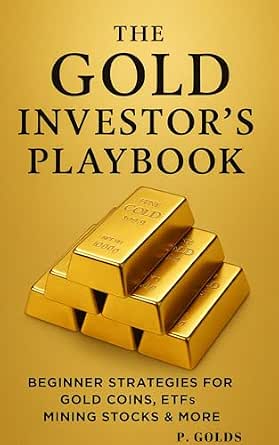 | Best for Beginners Comparing ETFs with Coins and Mining Stocks | Product type: Beginner investment guide | Main subject: Gold investing strategies | ETF coverage: Explicitly named in the title | VIEW LATEST PRICE | See Our Full Breakdown |
| The Inside World of Gold Markets: A Practical Guide for Investors at Every Level |  | Best for Broader Gold-Market Context | Product type: Practical investment guide | Main subject: Gold markets | ETF coverage: Not specified in supplied information | VIEW LATEST PRICE | See Our Full Breakdown |
| gold ETFs for long term investor | Product type | Main subject | ETF coverage | Approach |
|---|---|---|---|---|
| The One Rule of Gold and Silve | Investment guide | Gold and silver investment formats | Explicitly named in the description | Rule-based framework |
| The Gold Investor’s Playbook: | Beginner investment guide | Gold investing strategies | Explicitly named in the title | — |
| The Inside World of Gold Marke | Practical investment guide | Gold markets | Not specified in supplied information | Market-focused |
More Details on Our Top Picks
The One Rule of Gold and Silver: Understanding Physical, ETF, Digital, Bond-Based, and Commodity Gold the Simple Way
This is my top choice for a long-term ETF shopper who first wants to understand what an ETF is being compared against. Its stated coverage spans physical, ETF, digital, bond-based, and commodity gold, organized through a simple rule-based framework. That range speaks directly to a common source of confusion: two investments can both be described as “gold” while behaving differently, carrying different risks, and giving the investor different claims on the underlying asset.
Compared with The Gold Investor’s Playbook, this title signals a wider comparison of gold formats rather than a beginner’s tour of coins, ETFs, and mining stocks. That may make it more useful when the decision is whether an ETF is the right vehicle at all. It also appears better aligned with readers who want a high-level map before researching a specific fund. The description does not say whether it explains ETF structure, tracking, custodianship, fees, taxes, or fund selection in detail, so I would not treat its broad subject list as proof of a complete ETF handbook.
The principal advantage is comparative framing; the principal risk is that breadth may leave less room for practical fund-by-fund work. A long-term investor still needs to check a fund’s prospectus and current disclosures, including what it holds, how it seeks to track gold, and what ongoing costs apply. Compared with The Inside World of Gold Markets, this book’s named investment formats make the ETF connection clearer, while the market guide may offer more context on gold markets generally. I rank it first for helping readers set the terms of the choice, not for verified depth that the supplied description does not establish.
Pros:- Explicitly includes ETFs among several gold investment formats.
- The cross-format scope can help readers distinguish direct gold exposure from other structures.
- A rule-based approach is presented as a simple way to organize the subject.
- Its stated coverage is more directly comparative than a general market overview.
Cons:- The supplied description does not confirm detailed ETF mechanics or named fund comparisons.
- Covering many forms of gold may limit the space given to long-term ETF implementation.
- No information is provided about tax, cost, portfolio allocation, or edition updates.
Best for: Long-term investors who want a straightforward framework for comparing gold ETFs with bullion, digital gold, bond-based products, and commodity exposure before choosing a vehicle.
Not ideal for: Readers who want verified, current comparisons of named ETFs, detailed fee and tax analysis, or fund-specific recommendations rather than a broad guide to investment formats.
- Product type:Investment guide
- Main subject:Gold and silver investment formats
- ETF coverage:Explicitly named in the description
- Other formats named:Physical, digital, bond-based, and commodity gold
- Approach:Rule-based framework
- Intended use:Compare forms of gold exposure
- Audience level:Not specified in supplied information
- Specific fund analysis:Not specified in supplied information
Our verdict“I rank this first for its explicit comparison of ETFs with other gold formats, while recommending a separate fund-specific source for current ETF details.”
The Gold Investor’s Playbook: Beginner Strategies for Gold Coins, ETFs, Mining Stocks & More
For a new investor who wants an accessible starting point, The Gold Investor’s Playbook has the clearest beginner signal in its title and description. It names coins, ETFs, and mining stocks, three routes that are easy to confuse if someone is simply looking for “gold exposure.” That mix can help readers ask a more useful first question: do they want an investment tied to gold itself, physical ownership, or shares in businesses whose results can differ from bullion?
Compared with The One Rule of Gold and Silver, this guide sounds more focused on beginner strategies across a smaller set of recognizable investment choices. The first-ranked book has the stronger stated breadth across physical, digital, bond-based, and commodity gold; this one may be easier to approach if the reader’s immediate comparison is ETFs versus coins or miners. The description does not provide further detail, though, so I cannot confirm how the book explains ETF structure, how it handles long-term holding periods, or whether it distinguishes a gold-backed fund from a fund investing in mining companies.
That uncertainty matters for long-term investors. Mining stocks can be affected by company operations and broader equity-market forces, while an ETF’s exposure depends on its actual structure and holdings. A book that places these options together may help frame the differences, but readers should confirm that the relevant distinctions are explained before relying on it for a decision. Compared with The Inside World of Gold Markets, this title has a more explicit beginner and strategy focus; compared with the first pick, its stated range is narrower. I place it second because it appears approachable and ETF-relevant, but the available description offers less evidence of a structured comparison framework.
Pros:- Explicitly names ETFs, giving the title direct relevance to this roundup.
- Pairs ETF exposure with coins and mining stocks for a useful beginner comparison.
- The description presents it as a guide for beginners.
- Its strategy framing may help readers organize early questions about gold investing.
Cons:- The supplied description contains no detail about ETF mechanics or the book’s specific strategies.
- It is unclear whether long-term holding, costs, taxes, or portfolio sizing are covered.
- The description does not establish how thoroughly the different investment types are compared.
Best for: New investors who want an introductory guide to gold coins, ETFs, and mining stocks and are still deciding which category of investment fits their goals.
Not ideal for: Experienced investors seeking confirmed technical analysis of ETF structures, specific fund comparisons, or a detailed long-term portfolio method.
- Product type:Beginner investment guide
- Main subject:Gold investing strategies
- ETF coverage:Explicitly named in the title
- Other investments named:Gold coins and mining stocks
- Intended audience:Beginners
- Long-term strategy detail:Not specified in supplied information
- Fund examples:Not specified in supplied information
- Further description:No additional details supplied
Our verdict“I recommend it as the most beginner-signaled option here, but its limited supplied details make it a less certain choice for ETF-specific research than the first-ranked book.”
The Inside World of Gold Markets: A Practical Guide for Investors at Every Level
The Inside World of Gold Markets is the broadest-sounding choice for readers who want to learn about gold markets rather than start with a specific investment format. Its description calls it a practical guide for investors at every level, which could suit someone who wants background before deciding how much gold exposure belongs in a long-term portfolio. That market-oriented framing gives it a different role from the other two titles, both of which explicitly name ETFs among their subjects.
Compared with The One Rule of Gold and Silver, this book has less clearly stated coverage of the vehicles an ETF shopper must compare. It may provide useful context about the market behind gold exposure, but the supplied information does not confirm that it discusses ETF structure, bullion holdings, mining companies, or the practical differences among funds. The Gold Investor’s Playbook is the more obvious fit for a beginner choosing among coins, ETFs, and mining stocks; this title appears better suited to someone who wants a wider market backdrop before making that narrower decision.
The benefit of a market guide is that it may help readers think beyond a fund label and ask what affects gold as an asset. The drawback is that “practical guide” and “for investors at every level” do not tell me how much actionable ETF selection material it contains. Long-term investors should not assume this book offers current fund data, cost comparisons, tax treatment, or portfolio guidance without checking its contents. I rank it third for this particular roundup because its description is the least explicit about ETFs, not because a market-focused book cannot be useful. It makes the most sense as background reading rather than the sole resource for choosing a gold ETF.
Pros:- Presented as a practical guide rather than a narrowly technical reference.
- The stated audience includes investors at every level.
- Its market focus offers a distinct role beside the two titles that explicitly name ETFs.
- May suit readers who want broader context before choosing an investment vehicle.
Cons:- The supplied description does not explicitly confirm ETF coverage.
- No details are provided about funds, costs, taxes, or long-term portfolio decisions.
- Its broad audience description does not reveal the level of depth or technical detail.
Best for: Investors at different experience levels who want a general, practical introduction to gold markets before researching a particular ETF.
Not ideal for: Readers whose immediate goal is to compare gold ETFs, verify fund structures, or get specific long-term allocation guidance.
- Product type:Practical investment guide
- Main subject:Gold markets
- ETF coverage:Not specified in supplied information
- Intended audience:Investors at every level
- Approach:Market-focused
- Specific fund analysis:Not specified in supplied information
- Long-term portfolio guidance:Not specified in supplied information
- Additional description:No further details supplied
Our verdict“I would choose this for general gold-market context, but not as my first resource when the main task is selecting a long-term gold ETF.”

How We Picked
I ranked these books for one specific purpose: helping a long-term investor understand gold ETFs and decide how ETF exposure fits beside other ways of investing in gold. I did not treat the titles as funds, and I did not infer that a book covers a feature simply because it would be useful. The supplied descriptions are brief, so the ranking reflects the subjects and audience each title explicitly names.
ETF relevance carries the most weight. A guide that explicitly includes ETFs and compares them with other forms of gold exposure has a clearer connection to the decision in this roundup than a general market guide with no stated ETF detail. Beginner usefulness matters too: readers should be able to distinguish gold-backed exposure from mining stocks or physical bullion before choosing a long-term holding. I also value a framework that supports comparison, since the main choice is not only which fund to buy, but what kind of exposure the buyer wants.
I treated missing information as a limitation. The data provided does not establish page count, author credentials, publication format, fund examples, expense-ratio analysis, tax coverage, or whether any edition is updated for 2027. I have not credited any book with those features. The ranking is consequently a guide to which title appears most relevant from its description, not a substitute for checking the book’s contents or researching current ETF documents. I place The One Rule of Gold and Silver first for its named comparison framework, The Gold Investor’s Playbook second for its beginner-oriented mix of gold investments, and The Inside World of Gold Markets third because its stated scope is broad but less specifically tied to ETF selection.
| gold ETFs for long term investor | Product type | Main subject | ETF coverage | Approach |
|---|---|---|---|---|
| The One Rule of Gold and Silve | Investment guide | Gold and silver investment formats | Explicitly named in the description | Rule-based framework |
| The Gold Investor’s Playbook: | Beginner investment guide | Gold investing strategies | Explicitly named in the title | — |
| The Inside World of Gold Marke | Practical investment guide | Gold markets | Not specified in supplied information | Market-focused |
Factors to Consider When Choosing Gold ETFs For Long Term Investors
These three products are books, not exchange-traded funds. I would use them to build background and sharpen questions, then use current fund documents to evaluate an actual ETF. That distinction matters because a guide can explain investment concepts, but the fund’s own disclosures are the source for its current structure, holdings, costs, and operating details.
Start with the kind of gold exposure you want
A long-term investor should first separate direct gold exposure from investments whose results can differ from gold’s market price. A fund that holds bullion, a fund with futures-based exposure, a mining-stock fund, and physical coins are not interchangeable choices. Each can bring different tracking behavior, ownership arrangements, operating costs, liquidity, and risks. The One Rule of Gold and Silver is the most directly aligned with this comparison because its description names several formats; The Gold Investor’s Playbook also names ETFs, coins, and mining stocks. The Inside World of Gold Markets may provide context, but its supplied description does not confirm coverage of these distinctions. I would check each book’s contents for the specific format I plan to research rather than assuming the title alone guarantees detailed coverage.
Check what an ETF actually holds
The word “gold” in a fund’s name does not tell the whole story. A long-term buyer should inspect the fund documents to see whether it holds physical metal, uses contracts, owns shares of mining businesses, or follows another strategy. Holdings and structure shape the exposure, so they affect how closely the investment may follow gold and what risks sit alongside that exposure. The three books may help introduce the wider gold-investing landscape, but the information supplied for them does not establish that any includes current holdings analysis. I would treat a book as an educational starting point and verify the fund’s latest prospectus, holdings information, and official disclosures before investing.
Compare ongoing costs and tracking
For a long holding period, recurring fund costs can affect the result an investor receives, while tracking differences can cause a fund’s performance to diverge from the gold exposure a buyer expects. Compare each ETF’s stated expense ratio and review its approach to tracking the reference price. Look at how the fund handles custody, contracts, or other operational arrangements when applicable. Do not infer cost coverage from these books’ descriptions: none of the supplied product details confirms expense-ratio comparisons or tracking analysis. The first-ranked guide appears strongest for comparing broad investment forms, while the second names ETFs in a beginner strategy context; neither should replace current fund documents for data that can change.
Keep mining shares separate from gold funds
Mining companies may benefit from higher gold prices, but their shares also reflect business execution, production costs, debt, labor, permitting, and general stock-market movements. A mining-stock fund is not the same thing as a fund designed to track gold itself. This is why the ETF-versus-miners distinction matters in The Gold Investor’s Playbook’s named subject mix. The One Rule of Gold and Silver offers a broader comparison of gold formats, while the market guide’s description does not identify mining coverage. A long-term investor seeking exposure to gold itself should verify that a fund’s holdings match that intention instead of treating every gold-related product as equivalent.
Think about portfolio role and holding period
Gold can play different roles in a portfolio, and the right choice depends on an investor’s goals, risk tolerance, time horizon, and existing assets. A long-term holding plan should include a reason for owning gold, a view of how much exposure is appropriate, and a rule for reviewing or rebalancing the position. None of the supplied descriptions confirms detailed allocation guidance, so I would not attribute a specific strategy to these books. Use educational material to clarify the decision, then make allocation choices in light of your broader financial plan. A book’s beginner focus or broad market scope cannot determine the right holding size for an individual investor.
Use current and authoritative fund information
Fund data changes, and a title’s publication timing or update status is not provided here. Before buying, review the current prospectus, fund website, holdings, operating expenses, trading information, and risk disclosures. Tax treatment can depend on fund structure and the investor’s circumstances, so seek current tax guidance rather than relying on a general description. None of these books is confirmed as a 2027 ETF directory, and none is described as offering current fund comparisons. The One Rule of Gold and Silver is my best starting point for comparing investment categories; it should be paired with up-to-date research before a long-term ETF decision.
Frequently Asked Questions
Are any of these products gold ETFs?
No. All three products are described as books or investment guides, not exchange-traded funds. They may help readers learn about gold investing, but they do not themselves provide gold exposure. For an actual ETF, check current fund documents and confirm the fund’s structure, holdings, costs, and risks before investing.
Which book is most directly relevant to choosing a gold ETF?
The One Rule of Gold and Silver is the most directly relevant based on the supplied description because it explicitly covers ETFs alongside physical, digital, bond-based, and commodity gold through a comparison framework. That makes its stated scope a strong match for deciding what kind of gold exposure to study. The description does not confirm named fund comparisons or current fee analysis, so I would pair it with official ETF information.
Which title is the most beginner-friendly?
The Gold Investor’s Playbook has the clearest beginner focus in the available information. It names coins, ETFs, and mining stocks, which can help a new investor see that gold-related investments do not all behave alike. The supplied description does not explain how detailed the strategies are, so beginners should check the contents and look for clear explanations of fund structure, risk, costs, and long-term holding choices.
Can a book in this roundup replace an ETF prospectus?
No. A general guide can explain concepts, but it cannot replace current disclosures for a specific fund. An ETF’s prospectus and other official materials provide details about its investment strategy, holdings approach, costs, risks, and operations. The descriptions here do not establish that any book contains current, fund-specific data, so I would use these titles for background and verify an ETF directly before making a decision.
What should a long-term investor compare before choosing a gold ETF?
Start by checking what the fund owns or uses to gain exposure, how it seeks to track gold, its ongoing expenses, its risks, and the way it is structured. Compare a gold-focused fund with mining-stock exposure carefully, since companies bring business risks that differ from owning an investment tied more directly to gold. Then consider the fund’s role in your wider portfolio and review current tax guidance as relevant. The books can support learning, but the supplied descriptions do not confirm coverage of every one of these points.
Conclusion
For a long-term investor comparing gold investment formats before choosing a fund, I would start with The One Rule of Gold and Silver. Its stated coverage gives it the strongest match for understanding how ETFs differ from physical, digital, bond-based, and commodity exposure. Beginners who want an introductory view of coins, ETFs, and mining stocks may prefer The Gold Investor’s Playbook, while readers looking for broad market background can consider The Inside World of Gold Markets. I rank that market guide third for this specific task because its description does not explicitly mention ETF selection.
None of these books is a substitute for current fund research, and the supplied information does not verify that any includes up-to-date ETF costs, tax guidance, or named fund comparisons. My buyer-type recommendation is straightforward: choose the first title for format comparison, the second for a beginner strategy overview, and the third for general gold-market context. Before investing, confirm the ETF’s structure and current disclosures directly; a long-term decision should be based on the fund’s actual exposure and your portfolio needs, not on a product label alone.