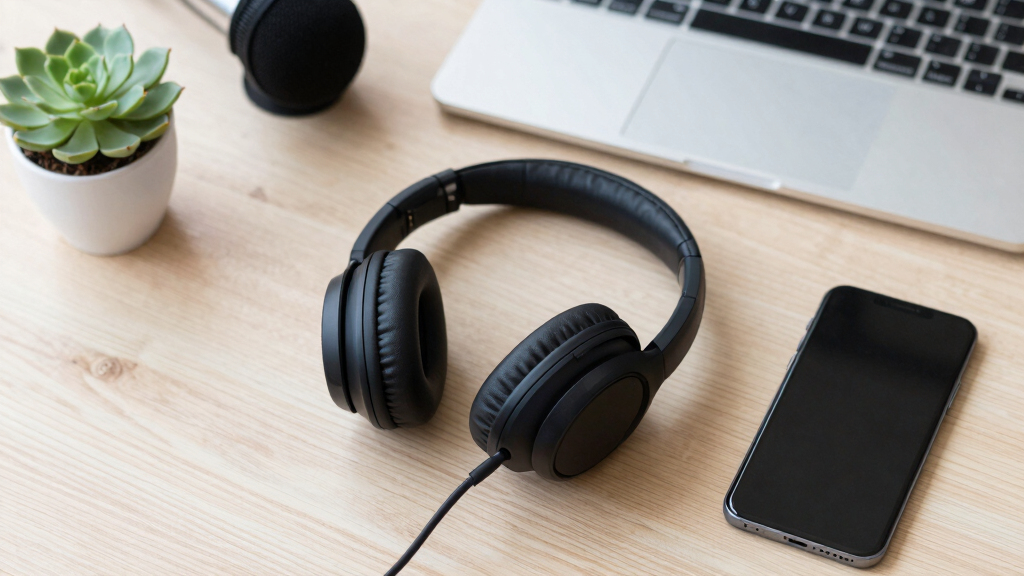

Choosing the best headphones for remote podcast production involves balancing sound quality, comfort, and connectivity. The Audio-Technica ATH-M20x stands out as a reliable all-around choice for clarity and affordability. For those prioritizing wireless convenience, the OneOdio A70 Bluetooth Headphones offers impressive battery life and mobility. Meanwhile, the MAONO MH601 delivers studio-grade sound at a competitive price. The main tradeoffs in this category include balancing sound isolation with comfort, wired versus wireless options, and budget constraints. Keep reading for a detailed breakdown of these top contenders to find the best fit for your remote recording setup.

Get smart everyday buys delivered free with Prime
- Fast, free delivery on millions of items
- Prime Video, Amazon Music and more included
- Member-only deals all year
Key Takeaways
- Wired headphones generally provide more consistent audio quality and lower latency, which is crucial for real-time podcast recording.
- Comfort and fit are vital since lengthy sessions demand headphones that won’t cause fatigue or discomfort.
- Open-back designs tend to offer more natural sound but may leak sound, making them less suitable for noisy environments or shared spaces.
- Wireless models offer convenience but often come with shorter battery life and potential connectivity issues, which can disrupt recording sessions.
- The most versatile options balance sound quality, durability, and features like detachable cables or share ports for multi-user monitoring.




More Details on Our Top Picks
MAONO MH601 Professional Studio Monitor Headphones, Wired Closed Back Over Ear DJ Headset with 50mm Drivers and 1/4 inch to 3.5mm Jack for Guitar Amp Recording Mixing Piano Music Podcast Streaming
The MAONO MH601 stands out for its impressive 50mm drivers that deliver a deep, accurate bass response, making it ideal for critical monitoring during podcast editing. Compared with the NUBWO headphones, the MH601 offers superior noise isolation thanks to its plush ear pads, which block out background noise effectively—crucial for focused editing sessions. Its wired connection guarantees zero latency, unlike wireless options that might introduce delay. However, the headphones lack a microphone, so for voice recording, you’ll need a separate mic, and their passive design means no powered features or active noise cancellation. This model suits producers who prioritize fidelity and comfort for long editing sessions but may not be ideal for those needing integrated voice features.
Specs: Frequency Range: 20Hz-20kHz, Driver Size: 50mm, Sensitivity: 103dB, Impedance: 32 Ohms, Driver Type: Dynamic, Weight: 0.88 poundsPros:- Exceptional sound clarity with large 50mm drivers
- Excellent noise isolation for distraction-free monitoring
- Detachable, multi-platform cables for versatile use
- Swiveling earcups for easy single-ear monitoring
Cons:- No built-in microphone, requiring an external mic for voice capture
- Passive design lacks active noise cancellation
- Larger size may reduce portability for on-the-go use
Best for: Professional podcasters and audio engineers needing studio-grade sound fidelity and noise isolation.
Not ideal for: Casual users or those requiring a built-in microphone for calls or voice chat.
- Frequency Range:20Hz-20kHz
- Driver Size:50mm
- Sensitivity:103 dB
- Impedance:32 Ohms
- Driver Type:Dynamic
- Weight:0.88 pounds
Bottom line: This choice is perfect for creators who need precise, studio-quality sound for editing and mixing podcasts but don’t need integrated voice communication.
NUBWO Studio Headphones Wired, Hi-Res Over Ear Headphones with 3.5/6.35mm Detachable Jack, 180° Flip Earpads, 45mm Drivers Professional Monitor Headsets for Mixing, DJ, Recording, Guitar, Piano-HD01
The NUBWO HD01 offers high-res certification with 45mm bio-diaphragm drivers that produce accurate sound across 20Hz-40kHz, making it suitable for a wide range of podcast production tasks. Its 180° flip earpads and rotating cups allow for comfortable single-ear monitoring, a feature also present in the OneOdio Pro-10, but with the added benefit of dual detachable cables for different setups, including calls with built-in mics. The headphones are lightweight at 241g, suitable for extended use, but their passive design means no active noise cancellation, and the wired connection limits mobility. This model is ideal for those seeking a budget-friendly, durable option for mixing and tracking but less so for on-the-move editing.
Specs: Frequency Response: 20Hz-40kHz, Driver Size: 45mm, Impedance: 50 ohms, Sensitivity: 101 dB, Weight: 241 grams, Detachable Cables: YesPros:- High-res certified sound with wide frequency response
- Comfortable, lightweight design for long sessions
- 180° flip earcups for single-ear monitoring
- Detachable cables with multiple options including mic support
Cons:- Lacks active noise cancellation
- Passive design may not block loud background noise
- Wired only, limiting mobility
Best for: Budget-conscious podcasters and musicians who need reliable, versatile monitoring without active noise cancellation.
Not ideal for: Users looking for wireless convenience or active noise reduction for noisy environments.
- Frequency Response:20Hz-40kHz
- Driver Size:45mm
- Impedance:50 ohms
- Sensitivity:101 dB
- Weight:241 grams
- Detachable Cables:Yes
Bottom line: This headset balances affordability with professional features, making it suitable for home studio podcasters and musicians on a budget.
PUPGSIS Wired Over Ear Headphones: Studio Monitor Headphones – Professional 50mm Drivers 40kHz DJ Stereo Headphones – 1/4 to 3.5mm Audio Jack for Recording/Mixing/Podcast/Guitar/Keyboard
The PUPGSIS M20Pro excels with its large 50mm drivers and a broad 40kHz frequency response, providing detailed sound that is well-suited for podcast editing and music production. Its foldable design and included sharing port make it a standout for collaborative podcasting or live recording sessions, a feature not available in the OneOdio Pro-10. The ear cups are comfortable for long wear, but its wired-only setup and lack of active noise cancellation mean background noise can be an issue in loud environments. The headphone’s lightweight build (270 grams) adds to comfort during extended editing, but its passive design limits noise isolation. This model makes the most sense for podcasters who work mainly in controlled studio settings and value sharing capabilities for co-hosts or guests.
Specs: Frequency Range: 20Hz-40kHz, Driver Size: 50mm, Sensitivity: 110dB, Impedance: 32 Ohms, Weight: 270g, Foldable & Sharing PortPros:- Powerful 50mm drivers with detailed sound
- Broad 40kHz frequency response for clarity
- Foldable design with sharing port for co-hosting
- Lightweight and comfortable for long use
Cons:- No active noise cancellation
- Wired only, limiting mobility
- Background noise can be distracting in loud settings
Best for: Studio podcasters and recording enthusiasts who value sharing audio and detailed high-resolution sound.
Not ideal for: Travel or noisy environments where active noise cancellation is needed.
- Frequency Range:20Hz-40kHz
- Driver Size:50mm
- Sensitivity:110dB
- Impedance:32 Ohms
- Weight:270g
- Foldable:Yes
Bottom line: Ideal for studio-focused podcasters who value sharing features and detailed sound but don’t require noise cancellation.
OneOdio Wired Over Ear Headphones Hi-Res Studio Monitor & Mixing DJ Stereo Headsets with 50mm Drivers and 1/4 to 3.5mm Jack for AMP Computer Recording Podcast Keyboard Guitar Laptop – Black
The OneOdio Pro-10 features large 50mm drivers that produce a well-rounded stereo image, suitable for mixing and editing podcasts. Its comfort-focused design with soft ear cushions and an adjustable headband makes it suitable for lengthy sessions, comparable to the MAONO MH601. The headphones provide effective passive noise isolation, but without active noise cancellation, they may struggle in loud environments. The single-sided monitoring capability supports easy one-ear listening, essential during live recordings or collaborative editing. While they lack wireless options, their wired reliability and robust build make them a solid choice for home studios, but less ideal for mobile use. These headphones are perfect for podcasters seeking good sound quality and comfort on a budget.
Specs: Driver Size: 50mm, Frequency Range: 20Hz-20kHz, Sensitivity: 110dB, Impedance: 32 Ohms, Weight: 0.66 pounds, Connectivity: WiredPros:- Large 50mm drivers with balanced sound
- Comfortable, lightweight design for long sessions
- Single-ear monitoring support
- Durable, wired construction
Cons:- No active noise cancellation
- Wired only, limited mobility
- Background noise can affect focus outdoors
Best for: Podcasters and audio editors working mainly in home studio environments seeking reliable, comfortable monitoring.
Not ideal for: Active on-the-go podcasters or those needing active noise cancellation in noisy settings.
- Driver Size:50mm
- Frequency Range:20Hz-20kHz
- Sensitivity:110dB
- Impedance:32 Ohms
- Weight:0.66 pounds
- Connectivity:Wired
Bottom line: A great budget-friendly option for home studio podcasters who value comfort and reliable sound reproduction for editing and mixing.
OneOdio A71 Hi-Res Studio Recording Headphones – Wired Over Ear Headphones with SharePort, Monitoring Mixing Foldable Headset with Stereo Sound, 3.5/6.35MM Jack for PC Computer DJ Guitar-Black
The OneOdio A71 offers high-resolution sound with 40mm drivers and a broad frequency response of 20Hz-40kHz, making it excellent for detailed podcast editing and mixing. Its foldable design and SharePort feature allow multiple listeners to monitor simultaneously, a key advantage for collaborative podcasting or live sessions—comparable to the sharing capabilities of the PUPGSIS M20Pro. Its comfort is enhanced by soft ear cushions and an adjustable headband, but without active noise cancellation, background noise could be an issue in louder environments. Weighing only 0.66 pounds, it’s portable and suitable for studio use, but less so for noisy or mobile settings. This headset is ideal for podcasters working mainly indoors who value sharing and high-res audio.
Specs: Frequency Range: 20Hz-40kHz, Driver Size: 40mm, Sensitivity: 98dB, Impedance: Not specified, Foldable: Yes, Sharing Port: YesPros:- High-res sound with detailed clarity
- Foldable design with sharing port for multi-listener setup
- Comfortable fit for long sessions
- Lightweight at 0.66 pounds
Cons:- No active noise cancellation
- Passive noise isolation may be insufficient in loud environments
- Wired only, limiting mobility
Best for: Studio podcasters and recording teams focusing on detailed sound and collaborative monitoring.
Not ideal for: Outdoor use or environments requiring active noise reduction.
- Frequency Range:20Hz-40kHz
- Driver Size:40mm
- Sensitivity:98dB
- Impedance:Not specified
- Foldable:Yes
- Sharing Port:Yes
Bottom line: A top choice for indoor studio podcasters who need sharing features and detailed high-resolution sound for critical monitoring.
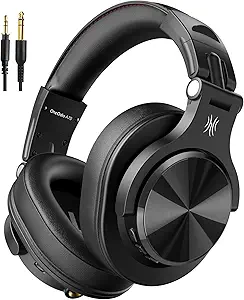
OneOdio A70 Bluetooth Over Ear Headphones, Wireless Headphones with 72H Playtime, Hi-Res, Built-in Mic, 3.5mm/6.35mm Wired Audio Jack for Studio Monitor & Mixing DJ Guitar AMP, Computer PC Gaming
This model stands out for combining exceptional battery life with multiple connectivity options, making it highly adaptable for remote podcast production. Compared with the Audio-Technica ATH-M20x, it offers wireless convenience and music sharing, but its sound profile leans toward bass-heavy, which could muddy clarity during critical vocal editing. The built-in mic provides crisp voice calls, and the foldable design enhances portability. However, the tradeoff is that the sound might lack the neutrality needed for mixing, and the comfort may diminish with extended use for some. This headphone is perfect for podcasters who value flexibility and long sessions, but less ideal for those needing precise audio fidelity. Battery life of 72 hours and dual wired/wireless modes make it a top pick for dynamic remote setups.
Pros:- Up to 72 hours of wireless playtime for uninterrupted recording sessions
- Dual wired and wireless modes for maximum flexibility
- Built-in HD mic with noise reduction for clear voice communication
- Foldable, space-saving design for portability
Cons:- Sound profile is bass-heavy, which may muddy vocal clarity during editing
- Comfort might deteriorate after long listening periods for some users
Best for: Podcasters who need long-lasting, wireless headphones with sharing capability for collaborative remote recording.
Not ideal for: Audio engineers requiring ultra-accurate sound for mixing or mastering, due to bass emphasis and potential sound coloration.
- Battery Life:72 hours
- Connectivity:Bluetooth, 3.5mm, 6.35mm wired
- Microphone:Built-in HD with noise reduction
- Foldable:Yes
- Design:Over-ear, ergonomic
- Sound Quality:Hi-Res, bass-heavy
Bottom line: Best suited for podcasters seeking a versatile, long-lasting headset with wireless convenience and audio sharing features.
Audio-Technica ATH-M20x Professional Studio Monitor Headphones, White
This pick makes the most sense for podcasters and remote producers who prioritize sound neutrality and isolation, especially in noisy environments. Compared with the OneOdio A70, it offers a more balanced sound profile, making it ideal for vocal clarity and editing precision. Its circumaural design contours around the ears, providing excellent sound isolation, which reduces background noise during recording and editing. The durable build and single-side cable exit streamline workflow, but the headphones are wired only, limiting mobility. While the sound accuracy is a significant advantage for post-production, the lack of wireless features makes it less suitable for casual or on-the-go use. Overall, this is a dependable choice for detailed audio work in remote podcast production.
Pros:- Accurate, neutral sound profile ideal for editing and mixing
- Excellent sound isolation reduces background noise
- Durable, professional-grade build quality
- Single-side cable helps with workflow efficiency
Cons:- Wired connection limits mobility and convenience
- Not suitable for casual listening or outdoor use
Best for: Podcasters and remote producers who need precise, neutral sound for editing and mixing in quiet or noisy environments.
Not ideal for: Casual listeners or those who prefer wireless convenience, as this model is wired-only and optimized for accuracy over portability.
- Driver Size:40 mm
- Frequency Range:15 – 20,000 Hz
- Impedance:47 Ohms
- Noise Cancellation:Passive
- Design:Circumaural, over-ear
- Connectivity:Wired, single-side cable
Bottom line: This model excels for detailed, accurate monitoring in remote podcast production but is less versatile for casual or mobile use.
Audio-Technica ATH-M20x Professional Studio Monitor Headphones, Black
These headphones are an excellent gateway for podcasters starting out, offering high-quality materials and sound accuracy at an affordable price. Compared with the FIFINE H8, the ATH-M20x provides a more traditional, neutral sound profile, making it suitable for critical listening and editing. The over-ear design with contoured earcups delivers effective sound isolation, essential for capturing clean vocals or mixing in noisy spaces. The 40mm drivers produce enhanced low-frequency performance, but some users find the bass a bit overpowering for vocal-focused tasks. The wired connection ensures zero latency, though it limits mobility. Overall, this model balances durability, sound fidelity, and affordability, making it ideal for beginners or budget-minded remote podcasters.
Pros:- High build quality with durable materials
- Effective sound isolation for clear vocal recording
- Enhanced bass response for fuller sound
- Affordable price point
Cons:- Bass can be muddy for vocal clarity
- Limited to wired connection, reducing mobility
Best for: Beginner podcasters and remote producers seeking reliable, accurate monitoring without high costs.
Not ideal for: Podcasters needing wireless features or advanced noise-canceling, as this is a wired, passive model with standard noise isolation.
- Driver Size:40 mm
- Frequency Range:20 Hz – 20kHz
- Impedance:47 Ohms
- Design:Over-ear, circumaural
- Cable:Single-side, wired
- Material:High-quality, durable
Bottom line: A solid entry-level choice offering accurate sound and durability for remote podcasting on a budget.
FIFINE Studio Monitor Headphones for Recording, Wired Headphones with 50mm Driver, Over Ear Headset with Detachable Cables 3.5mm or 6.35mm Jack, Black, on PC/Mixer/Amplifier-H8
This model makes a compelling case for podcasters who want a reliable, affordable pair that offers a natural sound for monitoring vocals and editing. Compared with the Audio-Technica ATH-M20x, it provides a more balanced sound profile, with strong mids and detailed highs, crucial for understanding voice recordings. The 50mm drivers produce a rich, full-bodied sound that minimizes fatigue during long sessions, and the passive noise isolation helps block out environmental distractions. Its support for both 3.5mm and 6.35mm jacks ensures compatibility with various audio devices, making it versatile for remote setups. The adjustable headband and soft ear cushions enhance comfort, but it lacks active noise canceling for very noisy environments. Overall, this headphone offers excellent value for serious podcasters on a budget.
Pros:- Balanced sound with rich mids and clear highs
- Comfortable, soft ear cushions for long wear
- Passive noise isolation reduces background noise
- Detachable cables with multiple connection options
Cons:- No active noise canceling for loud environments
- Wired-only connection limits mobility
Best for: Podcasters and voice-over artists who need a balanced, comfortable monitor headphone for long editing and recording sessions.
Not ideal for: Users seeking wireless or active noise-canceling features for outdoor or noisy environments, as this is a wired, passive design.
- Driver Size:50 mm
- Frequency Range:20 Hz – 20,000 Hz
- Impedance:varies
- Noise Control:Passive
- Design:Over-ear, foldable
- Connectivity:Detachable 3.5mm & 6.35mm cables
Bottom line: An outstanding value for podcasters needing accurate, comfortable monitoring with versatile connectivity.

How We Picked
These headphones were evaluated based on a combination of sound clarity, noise isolation, comfort, build quality, and compatibility with remote recording setups. I prioritized models that offer reliable performance in a home or studio environment, with features that support long recording sessions without fatigue. Cost-value ratio was also considered, ensuring options are accessible across different budgets. The ranking reflects a balance between audio fidelity, durability, and usability, with a focus on products that suit the specific needs of remote podcasters who require clear, undistorted sound and comfortable wear for extended periods.Factors to Consider When Choosing Best Headphones For Remote Podcast Production
When selecting headphones for remote podcast production, it’s essential to consider several factors that impact your recording quality and comfort. Not all headphones are designed for the demands of audio editing or voice clarity, so understanding key features can help you make an informed choice. Balancing affordability with performance is crucial, especially when investing in gear that will see regular use. Here are the main considerations to guide your decision-making process.Sound Quality and Frequency Response
Clear, accurate sound reproduction is fundamental for editing and monitoring your podcast. Look for headphones with a flat or neutral frequency response that don’t color the sound, ensuring you hear your voice and background audio as they truly are. Overemphasized bass or shrill highs can mislead your mixing decisions. While high-end models often excel here, many mid-range options provide excellent clarity suitable for remote podcasting.
Comfort and Fit
Since recording sessions can last for hours, comfort becomes a top priority. Over-ear models with plush padding tend to distribute pressure evenly, reducing fatigue. Adjustable headbands and lightweight designs also contribute to prolonged comfort. Avoid tight-fitting or poorly padded headphones, which can cause discomfort and distract you during critical moments of recording or editing.
Connectivity and Wires
Decide between wired and wireless based on your workflow. Wired headphones typically offer lower latency and more reliable audio signals, essential for real-time recording. Wireless options, on the other hand, provide freedom of movement but may introduce latency or connection drops. Detachable cables can add flexibility and ease maintenance, especially if cables get damaged or tangled.
Noise Isolation vs. Sound Leakage
For remote recordings, noise isolation helps prevent external sounds from bleeding into your mic, maintaining audio clarity. Closed-back headphones excel here, but they can sometimes feel less breathable during long sessions. Open-back designs provide a more natural listening experience but risk sound leakage, which can be problematic if you share your space or record in noisy environments.
Durability and Build Quality
Investing in sturdy, well-built headphones pays off over time, especially if you’ll be traveling or transporting gear frequently. Look for models with reinforced cables, robust earcups, and quality materials. Cheaper, flimsy models may save money upfront but often break or wear out faster, disrupting your workflow and increasing long-term costs.
Additional Features
Features like share ports for multi-head monitoring, foldability for storage, or adjustable headbands can enhance usability. If you record with multiple people or need to switch between devices, these extras add convenience. However, prioritize core audio performance over bells and whistles to ensure your primary need—clear, accurate sound—is met.
Frequently Asked Questions
Should I choose wired or wireless headphones for remote podcasting?
Wired headphones are generally preferred for remote podcasting because they offer lower latency and more consistent sound quality, which is essential for real-time monitoring and editing. Wireless models provide greater freedom of movement but may introduce slight delays or connection issues, especially over long sessions. If your workflow involves live editing or precise monitoring, wired options tend to be more reliable and straightforward.
What is more important: sound quality or comfort?
Both are vital, but for extended recording or editing sessions, comfort often takes precedence. Poorly fitting headphones can cause fatigue and distraction, which impacts your focus and performance. However, sacrificing too much sound fidelity for comfort isn’t advisable either. The best choice balances both, offering clear audio without sacrificing comfort during long use.
Are open-back headphones suitable for remote recording?
Open-back headphones provide a more natural, spacious sound, which can be beneficial for critical listening and mixing. However, they leak sound outward, making them less suitable if you record in shared or noisy environments. For solo use in a quiet space, open-backs can work well, but closed-back models are generally safer choices for maintaining sound isolation and preventing bleed into microphones.
Is noise cancellation necessary for remote podcasting?
Active noise cancellation is less critical than passive noise isolation in most remote podcast setups. Effective noise isolation helps prevent external sounds from bleeding into your mic, ensuring cleaner recordings. If you frequently record in noisy environments, consider headphones with good passive isolation or active noise cancellation features, but always prioritize sound fidelity and comfort.
How much should I expect to spend for good podcasting headphones?
Quality headphones suitable for remote podcasting typically range from $50 to $200. Budget options like the ATH-M20x or MAONO MH601 offer solid performance at lower prices, while mid-range models like the OneOdio A71 strike a balance between cost and features. Premium models with advanced features or ultra-flat responses can go beyond $200, but for most podcasters, a carefully chosen mid-range pair provides excellent value and performance.
Conclusion
For most remote podcasters, the Audio-Technica ATH-M20x offers the best balance of affordability, comfort, and sound clarity, making it the ideal choice for beginners or casual users. The OneOdio A70 Bluetooth Headphones suit those who value mobility and wireless convenience, especially during editing or casual recording sessions. If you need a durable, studio-grade option with professional features, the MAONO MH601 stands out as a reliable, high-performance pick. More advanced users or those with specific needs should consider premium models with extra features, while budget-conscious podcasters can find excellent value in mid-range options like the OneOdio A71 or FIFINE headphones. As an affiliate, we earn on qualifying purchases.Halloween Picks

Pumpkin Halloween Fog Machine with 12-Color LED Lights, Bluetooth Speaker, and Remote

Kalolary 12ft Halloween Witch Haunted House Inflatable Archway

JOYIN 5-Foot Halloween Animatronic Drinking Skeleton