

To find the perfect price for your course, consider what your target students value most, like quality content and unique features. Research similar courses to understand market standards and justify your pricing accordingly. Monitor feedback and enrollment to adjust your price dynamically—aim for a balance that attracts students while ensuring you earn enough to sustain and grow. Keep refining your strategy, and you’ll discover the best price point for profit and credibility.
Key Takeaways
- Analyze competitor pricing and value offerings to set a competitive yet profitable course price.
- Understand your target audience’s perceived value and tailor your pricing accordingly.
- Use feedback and enrollment data to adjust pricing for optimal demand and profitability.
- Highlight unique features and benefits to justify higher prices and enhance perceived value.
- Continuously test and refine your pricing strategy to balance accessibility, demand, and financial sustainability.

Setting the right price for your course is essential to attracting students and ensuring your effort is rewarded. When determining that price, you need to consider how potential students perceive the value you’re offering. If you set it too high, you might scare off interested learners; too low, and you risk undervaluing your expertise or leaving money on the table. Understanding the concept of value perception is crucial here. Think about what your target audience truly values—are they seeking comprehensive content, personalized feedback, or exclusive resources? Once you identify those priorities, you can adjust your pricing to reflect the perceived worth of your course. Remember, students often associate price with quality, so positioning your course correctly helps establish its credibility.
One of the most effective ways to gauge the appropriate price point is by conducting a competitor analysis. Look at similar courses in your niche—what are they charging, and what do they include? This doesn’t mean you should copy their prices blindly, but rather understand the market standard and identify where your course fits. If your content is more in-depth or offers additional value, you can justify a higher price. Conversely, if you’re just starting out or your course is more introductory, a lower price might attract initial students and help you build a reputation. Keep in mind that competitor analysis isn’t just about the price tag; examine what features, bonuses, or support they offer for that price. This will help you position your course competitively and avoid undervaluing or overpricing it.
Pricing isn’t just a one-time decision; it’s part of your overall marketing strategy. After setting a price based on value perception and competitor analysis, monitor how your students respond. Are you getting enough sign-ups? Are students providing positive feedback about the course’s worth? If not, you might need to adjust your pricing or enhance your course content to increase perceived value. Additionally, understanding the Paint Sprayer Zone can help you incorporate industry-specific features or tools as part of your course offering, making it more appealing and justifying your price. Remember, the right price strikes a balance between making your course accessible and ensuring your effort is financially sustainable. Take the time to research, test, and refine your pricing, keeping your target audience’s perceptions and the competitive landscape in mind. Doing so will help you find that sweet spot where profit, value, and demand align perfectly.
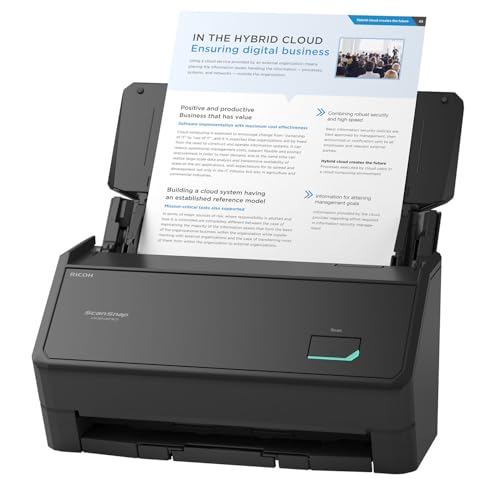
ScanSnap iX2400 High-Speed One-Touch Button Color Document Scanner, Black
- Fast One-Touch Scanning: Scans up to 45 pages per minute
- Large 100-Sheet Capacity: Handles multiple documents at once
- Versatile Document Handling: Supports business cards, receipts, photos, envelopes
As an affiliate, we earn on qualifying purchases.
Frequently Asked Questions
How Do I Adjust Pricing Over Time Based on Market Response?
You should adjust your pricing based on market response by implementing dynamic pricing strategies. Regularly monitor competitor analysis to see how similar courses are priced and if your audience is willing to pay more or less. If demand increases, consider raising your prices gradually. Conversely, if sales drop, lower prices temporarily or add value through bonuses to stay competitive. Always stay flexible to optimize profitability and meet market needs.
What Psychological Pricing Strategies Can I Use to Increase Sales?
You can boost sales by using psychological pricing strategies like price anchoring and scarcity tactics. Set a higher reference price first, then offer your course at a lower, more attractive price to make it seem like a great deal. Additionally, highlight limited spots or time-sensitive offers to create urgency. These tactics tap into buyers’ psychology, making your course appear more valuable and encouraging quicker purchases.
How Does Course Pricing Impact Perceived Value and Credibility?
You recognize that course pricing considerably impacts perceived credibility and value. When you set a price that aligns with your audience’s expectations, it boosts perceived credibility, making your course seem more trustworthy and valuable. Conversely, if your pricing feels too low, it might undermine perceived value, while overly high prices could deter potential students. Finding the right balance ensures your pricing positively influences perception and enhances your course’s overall value.
Should I Offer Tiered Pricing or Discounts for Different Customer Segments?
Yes, you should offer tiered pricing or discounts for different customer segments. By bundling discounts, you attract budget-conscious buyers, while loyalty programs foster repeat business. Tailoring pricing tiers helps target diverse demographics, boosting sales and building brand loyalty. You create a compelling, customized offer that caters to various needs, encouraging engagement and enhancing your course’s perceived value—making your pricing both strategic and satisfying for every student.
How Can I Test Different Prices to Find the Optimal Rate?
You can test different prices through A/B testing, where you offer variations to segments of your audience. Monitor how each price impacts sales and revenue to gauge price elasticity. Adjust your rates based on this data to find the sweet spot that maximizes profit without deterring customers. Regularly experimenting helps you refine your pricing and makes certain you’re always aligned with market demand and customer willingness to pay.

Epson Workforce ES-50 Compact & Lightweight Mobile Document Scanner
- Portability: Lightweight, mobile document scanner
- Fast Scanning: Scans a page in 5.5 seconds
- Compatibility: Works with Windows and Mac
As an affiliate, we earn on qualifying purchases.
Conclusion
Finding the right price for your course is like tuning a delicate instrument—you want it to resonate just right. When you strike that perfect balance between value and affordability, you’ll hit the sweet spot for profit and student satisfaction. Remember, pricing isn’t just about numbers; it’s about creating a symphony that attracts enthusiastic learners while honoring your worth. Keep refining, listening, and adjusting—you’re the conductor of your course’s success.

ScanSnap iX2500 Wireless or USB High-Speed Document Scanner, Black
- Advanced Touchscreen: Large 5-inch touchscreen for easy control
- High-Speed Scanning: 45 pages per minute double-sided scanning
- Large Document Capacity: 100-page auto document feeder
As an affiliate, we earn on qualifying purchases.

Epson Workforce ES-400 II High-Speed Color Duplex Desktop Document Scanner
- Fast Document Scanning: 50-sheet Auto Document Feeder
- High-Speed Software: Epson ScanSmart for quick previews
- Automatic File Naming: Saves time with auto-naming
As an affiliate, we earn on qualifying purchases.