TL;DR

Get smart everyday buys delivered free with Prime
- Fast, free delivery on millions of items
- Prime Video, Amazon Music and more included
- Member-only deals all year
Money-saving cookware sets can cost less per pan, but the best value comes from pieces you will use, a base that suits your stove, and construction that holds up to your cooking habits. Compare the actual pans, care instructions, warranty, and return policy with the cost of buying a few pieces separately. A large bundle is no bargain if half of it stays in the cupboard.
A 12-piece cookware set may arrive in one big box, but the number on the packaging can count lids and utensils alongside the pots and pans. That shiny stack can look like a kitchen upgrade while quietly taking over your cabinets. The useful question is simpler: which pieces will earn a place on your stove?
Money-saving cookware sets can give you a lower price per pan, especially during a sale. But a bargain only saves money when the pans fit your cooktop, cooking habits, and care routine. If you cook eggs every morning, a comfortable skillet matters more than a specialty pan you use once a year.
This guide shows you how to compare useful pieces, materials, construction, and warranty terms before you buy. You’ll also see when a few individual pans can beat a full bundle, and how to make your cookware last longer. That way, the set you choose works like a well-packed toolbox: every piece has a job.
Count the actual pots and pans; treat lids, utensils, and specialty pieces separately when comparing advertised set sizes.
For induction, check the manufacturer’s compatibility details; a magnet sticking to the base is only a preliminary check.
Choose materials based on your cooking and cleanup habits: nonstick favors easy release, while stainless steel, cast iron, and carbon steel have different care…
Compare the price of the pieces you will use with their individual prices, and account for construction, warranty terms, and storage.
Follow the maker’s heat, utensil, oven, dishwasher, and cleaning guidance to help your cookware last.
Count the pans you’ll actually use before you compare prices
A cookware set saves money when its actual pots and pans suit the meals you cook; its advertised item count does not tell you that by itself. Some sets count lids, utensils, or small specialty pans as separate items, so look past the big number on the box. Write down the pans you reach for in a typical week and compare them with the bundle. This turns a vague impression of “more for less” into a practical comparison: you can see whether the bundle replaces things you would buy anyway or mostly adds things you do not need.
Imagine you cook oatmeal in a small saucepan, fry eggs in a skillet, and make pasta in a large pot. Those three pieces may cover most of your routine. A set that includes two nearly identical small pans but skips a useful larger pot may leave you buying another pan after checkout. In that case, the low price per advertised item hides the cost of the missing piece and the storage taken up by duplicates.
Try this quick comparison before you buy:
- List three meals you make often and the pans each one needs.
- Check the set’s pan sizes and count lids separately from cookware.
- Look up the individual prices of the pieces you’d use most.
- Compare that total with the set price, then account for storage and any missing pan.
If the set costs less than buying the useful pieces separately, the difference may be a real saving. If several pans would sit untouched, their shelf space and purchase cost still belong in the calculation. A home cook who makes soup every Sunday may get lasting value from a large pot; someone who lives alone and cooks one-pan dinners may prefer a skillet and saucepan. Also consider what you already own: a set can be a good deal for a new kitchen but poor value if it duplicates sound pans you would keep using.
Products Worth Considering

Samsung 32 Odyssey QD-OLED G8 Gaming Monitor – 4K, 240Hz
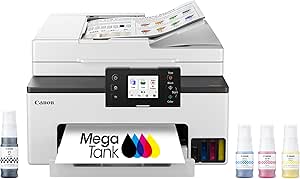
Canon MAXIFY GX2020 MegaTank Wireless All-in-One Color Inkjet Printer

FLEXISPOT EN1 Electric Standing Desk, 48 x 24 in, Black
As an affiliate, we earn on qualifying purchases.
Match the cookware to your stove before you bring it home
Your cookware needs to match your cooktop, because an incompatible set can turn a tempting deal into an unusable purchase. Induction stoves require a magnetic base. For gas, electric, and glass-ceramic cooktops, check the maker’s compatibility and care instructions for the exact set. A mismatch can mean more than inconvenience: you may need to return the set, replace it, or buy additional pans, which can erase the savings.
If you have an induction stove, a magnet sticking to the pan’s underside is a useful first check. Still, read the manufacturer’s specifications before buying; the magnet test is a quick clue, not a replacement for product details. A new renter moving from gas to induction, for example, may discover that familiar old pans no longer heat on the new stove. Checking before purchase matters especially when a set contains different kinds of cookware, since compatibility may not be identical across every piece.
Also consider the pan’s shape and base. A flat base helps maintain good contact on a glass-ceramic surface, while a sturdy base can help a pan heat more evenly. Compatibility tells you whether cookware can work on your stove; it does not promise that every piece will heat in exactly the same way. A pan that sits unevenly or heats inconsistently can make routine tasks harder, even though it technically works.
Cookware labels increasingly call out induction use, but a label alone cannot tell you whether the handles suit your grip or whether the set has the sizes you need. Check each piece’s product specifications. Before you pay, verify the cooktop type, read any restrictions, and confirm that the cookware you expect to use has the stated compatibility. If only some pieces are compatible, compare the price of those pieces with buying compatible cookware individually.
Choose a material that fits your cooking and cleanup habits
The best material for your budget depends on how you cook and care for pans. Stainless steel is versatile and durable, though it takes some technique to reduce sticking. Nonstick helps with delicate foods and cleanup, but its coating can wear and usually calls for gentler utensils and heat. These differences shape the real cost over time: a convenient pan may save effort every day, while a longer-lasting pan may ask for more skill or maintenance.
For instance, if you make scrambled eggs before work, a nonstick skillet may save time at the sink. If you often brown vegetables or simmer a tomato sauce, stainless steel may suit more of those jobs. Cast iron and carbon steel can last for years with proper care, but they are heavier and need seasoning, so they may not feel like a bargain if you dislike upkeep. The tradeoff is practical: the material that handles a favorite cooking task well may be less suitable for another task or for a cook who wants quick cleanup.
“Ceramic nonstick” usually describes a type of coating; the label alone does not promise a longer lifespan or better performance. Compare care guidance and credible product testing where available. Whatever the material, follow the maker’s instructions for utensils, heat, preheating, and cleaning. Avoid overheating an empty nonstick pan, and replace one when its coating is badly scratched, peeling, or no longer working as intended, following the manufacturer’s guidance. Because coatings can wear, a low initial price may not mean a low long-term cost if you must replace the pan sooner than expected.
A useful way to think about materials: the pan should fit the cook standing at the stove, not just the recipe pictured on the box. If one member of your household wants easy cleanup and another prefers stainless steel, buying those pieces separately may work better than agreeing on a full set. You can then spend more on the material that suits each task instead of paying for a uniform bundle that compromises on both.
Look at the base and handles, not the shine
Construction gives you better clues about everyday performance than a polished finish. Check for a sturdy base, secure handles, well-fitting lids, and a shape that feels manageable in your hand. Those details matter when you lift a pot full of pasta or move a sauté pan from burner to table. A handle that feels secure when the pan is empty may feel less comfortable with food inside, so think about the weight you will actually lift and pour.
Clad stainless steel has layers of metal bonded together. Some less expensive pans instead have an aluminum core or disc only at the base. That difference can affect how heat spreads up the sides, so consider the dishes you cook: a saucepan used mostly for boiling water has a different job from a pan used to brown food across its surface. Paying for clad construction may matter more for cooking that depends on even heat across the pan, while a simpler base may be adequate for tasks concentrated on the bottom. Construction is a tradeoff between performance for your cooking and the price you pay.
In a store, pick up the cookware if you can. Notice whether the handle feels steady, whether the lid sits securely, and whether the pan’s weight feels comfortable. At home, check the product details and return policy if you cannot handle the set before ordering. A heavy pan may feel reassuring to one cook and awkward to another, especially when it is full. A return window gives you a chance to judge that fit in your own kitchen, but check whether return shipping or restocking fees could affect the cost.
Good construction cannot guarantee a particular lifespan, and a higher price alone does not prove a pan is better made. Compare the build details with the cooking you’ll do. For a family that makes large batches of soup, a secure handle on the stockpot matters more than decorative trim. For quick weeknight meals, a responsive skillet and easy-to-clean surface may matter more. The most useful construction feature is the one that reduces friction in your routine, not the one that looks most impressive in a product photo.
Compare the warranty and care rules before you commit
A warranty and care instructions help you understand what a cookware deal includes, but they do not guarantee that every kind of damage will be covered. Read the coverage, exclusions, and retailer’s return window before you buy. Warranty terms can exclude ordinary wear or damage from misuse, so check the exact language for the set you are considering. A long warranty may sound reassuring, but its value depends on what it covers, how claims work, and whether the issue you are likely to encounter is included.
Care instructions affect the day-to-day cost of ownership. One set may allow dishwasher cleaning, while another asks you to hand-wash pans or avoid certain utensils. Oven limits can vary by pan, coating, lid, and handle. If you often finish a frittata in the oven, make sure the specific skillet and its handle can handle the temperature you use. These rules influence whether a set fits your routine; a pan that needs special care may cost more in time, even if its purchase price is lower.
Picture a shopper who buys a set online, then discovers its lids have a lower oven temperature limit than the pans. A quick specification check could prevent that mismatch. Save the product page or care leaflet, and follow the maker’s guidance for preheating, cleaning, and storage. If a pan is not dishwasher-safe, tossing it in after dinner may shorten its useful life or affect warranty coverage. Before buying, decide whether you will realistically follow the instructions; the expected life of a pan depends partly on how it is used and cared for.
Brands also promote recycled materials, ceramic coatings, and space-saving designs. These features may suit your needs, but the labels alone do not establish durability or environmental benefit. Check the specifications, care guidance, warranty, and independent testing where available. Prices and product lines change often, so verify current deal terms before you buy. That gives you a clearer basis for comparing the whole purchase: what the set costs, how much upkeep it asks of you, and what support you can expect if something goes wrong.
Use this simple test to decide whether the set is a real bargain
A cookware deal is good value when the useful pieces justify the price and fit your kitchen. Compare the cost of those pieces separately, then weigh construction, care, and storage. The goal is not to own the most pans; it is to spend on pans that can handle the cooking you actually do. This broader comparison matters because purchase price is only one part of value: unusable pieces, replacements, difficult care, and cramped storage all affect what the deal is worth to you.
Say you find a set with a skillet, two saucepans, a large pot, lids, and a utensil. You already own a large pot and rarely use the smaller saucepan. Price the skillet and the other pieces you need individually, then compare that figure with the bundle. If the unused items account for most of the discount, buying separate pans may save space and money. If the bundle is still cheaper and you have room to store the extras, it could be worthwhile; the right answer depends on the actual difference, not the set’s advertised percentage off.
Use this checklist while you compare:
- Useful pieces: Do the skillet, saucepan, or larger pot match meals you make often?
- Cooktop fit: Does every pan you need work with your stove, including induction if relevant?
- Construction: Do the base, handles, and lids fit the way you cook?
- Care: Can you follow the rules for heat, utensils, oven use, and cleaning?
- Purchase terms: Have you checked warranty exclusions and the retailer’s return window?
There is no universal best set: a couple cooking for two may need less than a household that preps food in large batches. You might choose a small set, buy a single nonstick skillet separately, or skip the bundle altogether. A saving is only useful when the cookware fits your life after the sale ends. If two options seem close in price, favor the one whose pieces you will use regularly and whose care requirements you can maintain.
Frequently Asked Questions
Are cookware sets cheaper than buying individual pans?
They can be, especially during sales, but the savings depend on whether you will use the included pieces. Compare the price of the pans you need with their individual prices, and count lids or utensils separately. A bundle full of unused pieces may not offer good value.
What should a basic cookware set include?
Many home cooks can start with a skillet, a saucepan, and a larger pot or sauté pan. Your mix depends on household size and the meals you make. If you cook pasta often but rarely fry, for example, the larger pot may deserve more attention than an extra skillet.
Which cookware material lasts longest?
Properly cared-for stainless steel and cast iron can last a long time. Cast iron and carbon steel need seasoning and can feel heavy, while stainless steel may take practice to prevent sticking. Nonstick is convenient, but replace it when the surface is badly scratched, peeling, or no longer works as intended, following the maker’s guidance.
Is ceramic nonstick safer or more durable than traditional nonstick?
“Ceramic” usually describes a type of coating; it does not by itself guarantee longer life or better performance. Compare care instructions and credible product testing where available, and follow the manufacturer’s use guidance. Avoid overheating empty nonstick cookware.
Can cookware sets go in the oven or dishwasher?
It varies by pan, coating, lid, and handle. Check the temperature limit and cleaning instructions for each item in the set. If you plan to finish a dish in the oven or rely on dishwasher cleanup, confirm those details before buying.
How can I tell whether a cookware set will work on induction?
Check the manufacturer’s specifications for induction compatibility. A magnet sticking to the base is a useful preliminary test, but the maker’s details are the better reference. Make sure the pieces you plan to use have compatible bases.
Conclusion
Before you buy, name the meals you cook most and the pans they need. Then check that each useful piece fits your stove, feels right to handle, and suits the care you can give it. That quick check can tell you whether a bundle saves money or simply adds clutter.
Buy the cookware that earns its place on your stove. The best deal is the pan you reach for while dinner simmers and the kitchen fills with the warm smell of garlic.