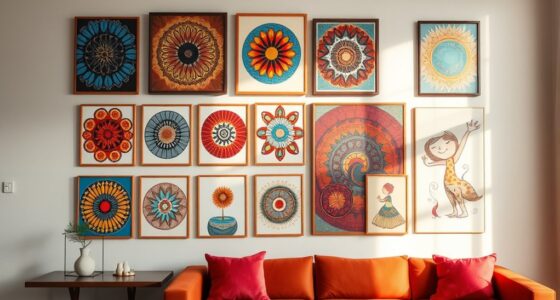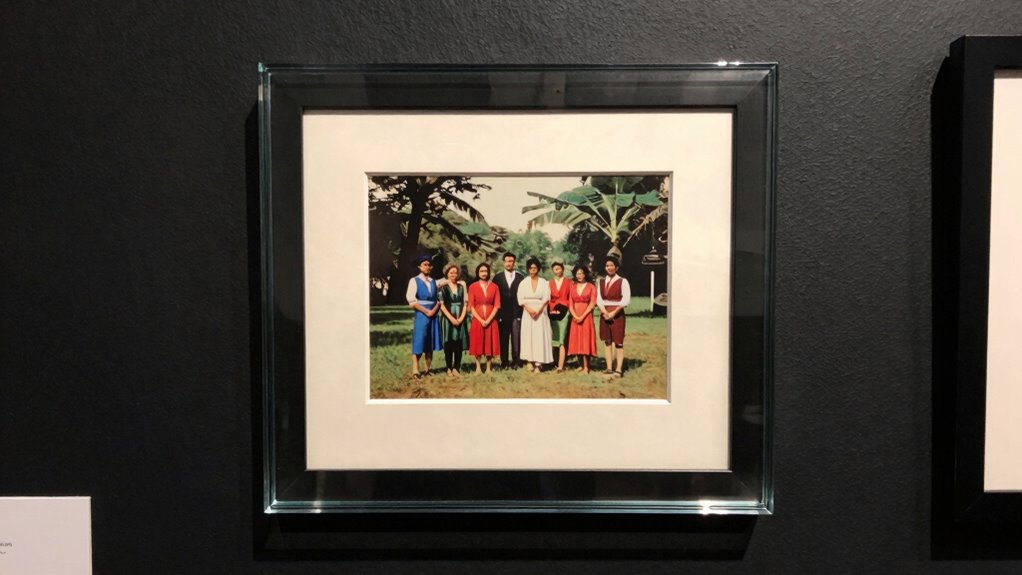

When selling wall art, focus on its archival quality by highlighting the use of acid-free materials, UV-protective glass, and proper framing techniques. Educate your clients on how these standards help artworks resist fading, yellowing, and deterioration over time. Emphasize that choosing museum-grade techniques guarantees long-term preservation and investment value. To truly stand out, you’ll want to understand these preservation methods in more detail, which you’ll discover as you explore further.
Open a free Amazon Business account
Business pricing, bulk buying and tax-exempt orders.
As an affiliate, we earn on qualifying purchases.
Key Takeaways
- Highlight the use of museum-grade, acid-free materials to ensure long-term preservation and durability of the artwork.
- Educate clients on proper framing, display, and storage techniques to maintain the art’s integrity over time.
- Emphasize UV-protective glazing options that prevent fading and yellowing caused by light exposure.
- Communicate the importance of environmental controls like humidity regulation to safeguard artworks from deterioration.
- Build trust by transparently explaining preservation methods and the benefits of investing in archival-quality wall art.
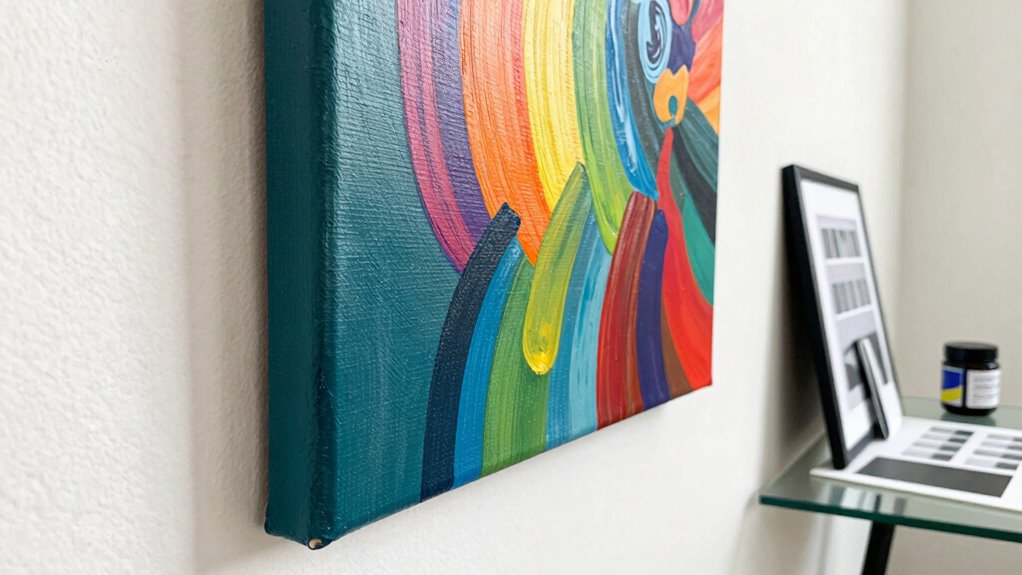
When selling wall art, understanding archival quality is essential to guarantee your customers’ pieces stand the test of time. This means you need to be familiar with museum standards, which set the benchmark for how artworks are preserved for future generations. Museum standards involve rigorous criteria for materials, handling, and storage, ensuring that artworks remain in pristine condition over decades. When you adopt these standards, you’re not just selling art; you’re offering a timeless piece that retains its original appearance and value. Preservation techniques are at the heart of achieving this goal. They encompass a variety of methods, from selecting acid-free mats and backing boards to using UV-protective glass or acrylic. These techniques help prevent deterioration caused by environmental factors like light, humidity, and pollutants, which are common enemies of wall art. By incorporating Preservation techniques into your sales process, you show your customers that you prioritize longevity and quality, making your offerings more trustworthy. Additionally, educating your clients about archival techniques can further demonstrate your commitment to quality and enhance their confidence in your expertise.
Understanding the materials used in your artwork is equally important. Archival quality materials are specifically designed to resist deterioration over time. For example, acid-free papers and inks won’t yellow or fade as quickly as standard options. When you tell your customers about the superior durability of these materials, you’re reinforcing the value of investing in high-quality art. Additionally, educate them on proper framing and display practices. For instance, positioning art away from direct sunlight and controlling indoor humidity can greatly extend the life of their purchases. You can also advise on proper cleaning and maintenance routines, which align with preservation techniques aimed at preventing damage before it occurs. Recognizing the importance of archival quality standards can help you better communicate the long-term value of your offerings to clients. Emphasizing the use of museum-grade materials can also enhance your credibility and reassure customers about the quality of your products. Incorporating proper storage conditions into your advice further underscores your expertise and commitment to preserving artworks for future generations. Being transparent about these standards and techniques can foster greater trust and appreciation from your clients, reinforcing the value of their investment.
museum quality acid-free mat board
As an affiliate, we earn on qualifying purchases.
As an affiliate, we earn on qualifying purchases.
Frequently Asked Questions
How Does Framing Affect Archival Quality?
Framing affects archival quality by protecting your artwork from damage, light, and dust. Using matte finishes on the glass reduces glare, ensuring your art stays vibrant, while glass protection shields against UV rays and environmental pollutants. Choose high-quality, acid-free mats and backing to prevent deterioration over time. Proper framing techniques help preserve the integrity of the art, maintaining its color and detail for years to come.
What Are the Cost Differences for Archival vs. Standard Materials?
Archival materials typically cost more than standard options due to their superior paper longevity and preservation properties. You might spend roughly double on high-quality, acid-free papers and UV-resistant inks compared to regular prints. This difference impacts your pricing and profit margins, but it guarantees your artwork’s durability and display quality. While standard materials save money upfront, investing in archival options guarantees your art remains vibrant and valuable over time.
How Long Does Archival Quality Typically Last?
Archival quality art typically lasts between 50 and 100 years, depending on the materials used. You’ll notice better color longevity with high-quality inks and papers, which resist fading over time. However, even archival materials can experience some material degradation if not properly cared for, such as exposure to light or humidity. To guarantee longevity, advise your clients to keep art away from direct sunlight and in stable environments.
Can Non-Archival Materials Be Made More Durable?
Just like a knight upgrades armor, you can make non-archival materials more durable by applying acid-free adhesives and UV protective coatings. These enhancements shield your artwork from fading, discoloration, and deterioration. While they don’t fully match true archival quality, they extend the lifespan considerably. Think of it as giving your pieces a protective shield, ensuring they endure longer and remain vibrant, even if they weren’t originally made with archival standards.
Is Archival Quality Necessary for All Types of Wall Art?
Archival quality isn’t necessary for all wall art, but it’s vital if you want digital preservation and to meet collector preferences. For pieces valued for longevity or resale, using archival materials guarantees durability and maintains value over time. However, for decorative or temporary displays, non-archival options might suffice. Knowing your audience and the piece’s purpose helps you decide whether archival quality aligns with your goals.
UV protective glass for wall art
As an affiliate, we earn on qualifying purchases.
As an affiliate, we earn on qualifying purchases.
Conclusion
Remember, choosing archival-quality materials can boost your artwork’s longevity and value—something over 80% of collectors prioritize. When you emphasize durability and quality, you’re not just selling art; you’re offering a lasting investment. Keep in mind that buyers are often willing to pay a premium for pieces that stand the test of time. So, think about archival quality not just as a detail, but as a key selling point that sets your wall art apart.
archival quality picture framing kit
As an affiliate, we earn on qualifying purchases.
As an affiliate, we earn on qualifying purchases.
acid free backing board for artwork
As an affiliate, we earn on qualifying purchases.
As an affiliate, we earn on qualifying purchases.
NFL season / tailgating Picks
team gear
As an affiliate, we earn on qualifying purchases.