For most beginners, Retirement Planning for Beginners: A Comprehensive Guide is the best overall starting point because its broad scope can introduce the main decisions in one place. Retirement Planning Simplified stands out for readers focused on income, Social Security, and Medicare, while Retirement Planning Workbook suits people who learn by filling in exercises. The main tradeoff is between a broad overview and a focused, practical tool: no single book can cover every reader’s timeline, finances, and retirement questions equally well. I compare all 14 options by beginner accessibility, practical guidance, and subject coverage. Continue reading for the full breakdown and help choosing the right starting point.

Get smart everyday buys delivered free with Prime
- Fast, free delivery on millions of items
- Prime Video, Amazon Music and more included
- Member-only deals all year
Key Takeaways
- Broad coverage is the leading differentiator: the comprehensive beginner guide is the strongest all-around entry point, while several other books focus more tightly on income, benefits, investing, or planning steps.
- Readers who want to take action may prefer a workbook: the workbook format can turn general advice into personal estimates and decisions, but it may offer less explanatory depth than a narrative guide.
- Retirement timing changes which book is useful: The 5 Years Before You Retire is aimed at near-retirees, while absolute-beginner and investing titles better fit readers building savings earlier.
- Specialized topics come with narrower scope: books on trusts, wills, taxes, Social Security, or Medicare can address specific concerns, but they are not automatic substitutes for a broad retirement overview.
- Beginner-friendly does not always mean simple or short: the comparison separates plain-language introductions from broader reference-style guides, so readers should match detail level to how much they want to learn at once.
| Retirement Planning for Beginners: A Comprehensive Guide to Building Savings, Maximizing Income, and Achieving Financial Security for Your Golden Years |  | Best for Building a Broad Foundation | Format: Not specified in available product data | Primary audience: Beginners | Stated topic: Retirement planning | VIEW LATEST PRICE | See Our Full Breakdown |
| Retirement for Beginners |  | Best for a Short, Accessible Starting Point | Format: Not specified in available product data | Audience indicated by title: Beginners | Subject indicated by title: Retirement | VIEW LATEST PRICE | See Our Full Breakdown |
| Retirement Planning Simplified: A Step-by-Step Guide to Retirement Income, Social Security, and Medicare |  | Best for Benefits and Income Basics | Series: Retirement Planning Series | Book number: 1 | Guide format: Step-by-step guide | VIEW LATEST PRICE | See Our Full Breakdown |
| Retire Today: Create Your Retirement Master Plan in 5 Simple Steps | 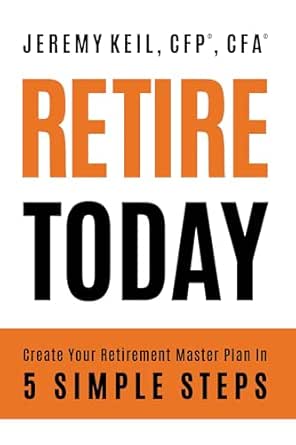 | Best for a Defined Action Plan | Format: Not specified in available product data | Stated method: Five simple steps | Stated outcome: Create a retirement master plan | VIEW LATEST PRICE | See Our Full Breakdown |
| Living Trusts, Wills, Retirement, Tax & Estate Planning: The 6-in-1 Guide |  | Best for Retirement and Estate Planning Together | Format: Guide | Stated scope: 6-in-1 | Topics: Living trusts, wills, retirement planning, tax planning, estate planning, probate avoidance, and wealth management | VIEW LATEST PRICE | See Our Full Breakdown |
| How to Retire: 20 Lessons for a Happy, Successful, and Wealthy Retirement |  | Best for a Broad Retirement-Life Perspective | Format: Book | Stated structure: 20 lessons | Focus: Happy, successful, and wealthy retirement | VIEW LATEST PRICE | See Our Full Breakdown |
| The Beginner’s Investing Handbook: How to Start with Less Than $1,000 |  | Best for Beginner Investors and Late Starters | Subject: Beginner investing | Starting-funds focus: Less than $1,000 | Stated coverage: Growing wealth, managing risk, and planning for retirement | VIEW LATEST PRICE | See Our Full Breakdown |
| Retirement Planning Workbook: A Step-by-Step Guide |  | Best for Hands-On Planning | Format: Workbook | Approach: Step-by-step retirement planning | Stated coverage: Financial organization and retirement goals | VIEW LATEST PRICE | See Our Full Breakdown |
| Retirement Planning For Dummies |  | Best for a General Retirement-Planning Introduction | Category: Retirement planning guide | Series branding: For Dummies | Stated audience: Not specified in supplied product data | VIEW LATEST PRICE | See Our Full Breakdown |
| Retirement Planning Guidebook: Navigating the Important Decisions for Retirement Success |  | Best for Decision-Focused Browsers | Format: Guidebook | Stated focus: Important decisions for retirement | Stated aim: Retirement success | VIEW LATEST PRICE | See Our Full Breakdown |
| The 5 Years Before You Retire, Updated Edition: Retirement Planning When You Need It Most |  | Best for Near-Retirement Decisions | Format: Book | Edition: Updated Edition | Subject: Retirement planning | VIEW LATEST PRICE | See Our Full Breakdown |
| How to Plan for Retirement: A Step-by-Step Guide to Avoid Mistakes, Lower Taxes, and Build Lasting Income |  | Best for Tax-and-Income Planning | Format: Book | Subject: Retirement planning | Approach: Step-by-step guide | VIEW LATEST PRICE | See Our Full Breakdown |
| Retirement Planning for Absolute Beginners: How to Save and Invest Before You Retire |  | Best for First-Time Retirement Planners | Format: Book | Audience: Absolute beginners | Subject: Retirement planning | VIEW LATEST PRICE | See Our Full Breakdown |
| The Only Retirement Planning Book You’ll Ever Need: Your Guide to a Stress-Free Retirement |  | Best for the Bigger Retirement Picture | Format: Book | Subject: Retirement planning | Stated focus: Financial freedom | VIEW LATEST PRICE | See Our Full Breakdown |
| retirement planning books for beginner | Format |
|---|---|
| Retirement Planning for Beginn | Not specified in available product data |
| Retirement for Beginners | Not specified in available product data |
| Retirement Planning Simplified | — |
| Retire Today: Create Your Reti | Not specified in available product data |
| Living Trusts | Guide |
| How to Retire: 20 Lessons for | Book |
| The Beginner’s Investing Handb | — |
| Retirement Planning Workbook: | Workbook |
| Retirement Planning For Dummie | Not provided in supplied product data |
| Retirement Planning Guidebook: | Guidebook |
| The 5 Years Before You Retire | Book |
| How to Plan for Retirement: A | Book |
| Retirement Planning for Absolu | Book |
| The Only Retirement Planning B | Book |
More Details on Our Top Picks
Retirement Planning for Beginners: A Comprehensive Guide to Building Savings, Maximizing Income, and Achieving Financial Security for Your Golden Years
This book’s stated focus spans building savings, maximizing retirement income, and financial security, making it a broad starting point for readers who are still forming a plan. Compared with Retirement Planning Simplified, whose description names Social Security, Medicare, and taxes, this title gives less detail about specific topics; its appeal is the wider beginner-oriented framing rather than a clearly documented specialist focus. The available information does not confirm its format, length, examples, or methods, so I would treat the title as a promising scope, not proof of depth. It may suit someone seeking an introductory overview, but readers who want a defined sequence of actions may prefer Retire Today, which explicitly promises a five-step plan. The tradeoff is breadth with limited detail about execution.
Pros:- Explicitly addresses both retirement savings and income.
- Presents financial security in retirement as a beginner-level goal.
- Its broad subject framing may help readers identify several areas to plan for.
Cons:- Available information does not specify methods, examples, or chapter structure.
- No specific coverage of Social Security, Medicare, or estate planning is confirmed.
- The broad scope may be less actionable than the five-step approach promised by Retire Today.
Best for: New savers who want an introductory overview centered on growing retirement savings and turning them into income.
Not ideal for: Readers who need verified step-by-step exercises or specific Social Security, Medicare, and tax guidance, since those details are not supplied.
- Format:Not specified in available product data
- Primary audience:Beginners
- Stated topic:Retirement planning
- Savings focus:Building retirement savings
- Income focus:Maximizing retirement income
- Planning goal:Financial security in retirement
Our verdict“Choose this as a broad introductory starting point if savings and retirement income are your main concerns, but look elsewhere for confirmed step-by-step instruction.”
Retirement for Beginners
The title makes a clear beginner-level promise, which may appeal to readers who want an approachable entry into retirement planning rather than a guide advertised as comprehensive. But the supplied product information offers no description of topics, structure, or format, so I cannot confirm whether it covers savings, income, healthcare, or benefits. That lack of detail makes it harder to recommend for a specific planning problem. Compared with Retirement Planning for Beginners, whose title explicitly names savings and income, this book gives less indication of its subject coverage. Readers seeking named guidance on Social Security and Medicare may find Retirement Planning Simplified a more transparent match. Its potential advantage is a simple, low-commitment entry point; the tradeoff is uncertainty about what a beginner will learn.
Pros:- The title clearly signals an introductory audience.
- Its broad framing may suit readers not ready to choose a specialized topic.
- Could serve as an initial orientation before using more topic-specific guides.
Cons:- No product description or contents information is available here.
- Specific coverage of savings, benefits, healthcare, and taxes cannot be verified.
- The title alone does not indicate whether the book offers practical steps or examples.
Best for: Readers who want a plainly titled introduction and are comfortable checking the book’s contents before relying on it for a particular planning topic.
Not ideal for: Beginners who need confirmed guidance on savings, retirement income, Social Security, Medicare, or taxes.
- Format:Not specified in available product data
- Audience indicated by title:Beginners
- Subject indicated by title:Retirement
- Description:Not provided
- Specific topics:Not specified
- Structure:Not specified
Our verdict“Consider it only if you want a general beginner introduction and can confirm its contents meet your needs.”
Retirement Planning Simplified: A Step-by-Step Guide to Retirement Income, Social Security, and Medicare
This is the most clearly targeted choice for beginners who want to connect retirement income with major benefit decisions. Its stated coverage includes Social Security, Medicare, tax-reduction strategies, and common planning mistakes, giving it a more defined agenda than Retirement for Beginners, whose available listing supplies no topic details. The step-by-step framing may help readers approach several unfamiliar decisions in sequence, although the source does not describe the exercises or the level of detail. Compared with Retirement Planning for Beginners, this title names more specific planning areas rather than emphasizing savings broadly. That focus is useful for readers nearing benefit and healthcare choices, but it does not confirm coverage of estate planning or the depth of investment guidance. It is the clearest match here for benefits-focused beginners, with scope still worth checking.
Pros:- Names retirement income, Social Security, and Medicare as core topics.
- Also addresses tax-reduction strategies and common planning mistakes.
- Step-by-step framing signals an organized approach for beginners.
- Identified as the first book in the Retirement Planning Series.
Cons:- Available data does not describe the depth or examples used for each topic.
- No specific coverage of wills, trusts, or probate is listed.
- The series listing does not establish what later books cover.
Best for: Beginners who want an organized introduction to retirement income, Social Security, Medicare, taxes, and common planning errors.
Not ideal for: Readers whose main need is estate planning, wills, trusts, or a detailed savings-and-investing curriculum.
- Series:Retirement Planning Series
- Book number:1
- Guide format:Step-by-step guide
- Primary topic:Retirement income
- Benefits topics:Social Security and Medicare
- Tax topic:Tax-reduction strategies
- Additional topic:Common retirement planning mistakes
Our verdict“Pick this if Social Security, Medicare, and retirement income are your main beginner questions, rather than estate planning or a broad savings curriculum.”
Retire Today: Create Your Retirement Master Plan in 5 Simple Steps
The promise of a retirement master plan built in five steps gives this title the most plainly stated process in the group. That can help a beginner who wants a sequence to follow instead of a broad discussion of retirement topics. Compared with Retirement Planning Simplified, which names Social Security, Medicare, and taxes, Retire Today emphasizes the planning process rather than listing subject coverage. The available description does not explain what the five steps include, so buyers cannot tell whether they address benefits, savings, healthcare, or estate decisions. That makes the format attractive but the actual scope uncertain. I would favor it for readers motivated by a structured plan, while someone seeking confirmed guidance on specific benefit choices may be better served by Retirement Planning Simplified.
Pros:- Promises a defined five-step planning process.
- The master-plan framing can help readers seeking an organized starting point.
- Its process-first approach differs from guides centered on named topics.
Cons:- The available description does not identify the five steps.
- Specific coverage of benefits, taxes, healthcare, and estate planning is not confirmed.
- No details are provided about worksheets, examples, or other practical tools.
Best for: Beginners who want a clearly signposted sequence for creating a personal retirement plan.
Not ideal for: Readers who need confirmed detail on Social Security, Medicare, taxes, or estate planning before choosing a guide.
- Format:Not specified in available product data
- Stated method:Five simple steps
- Stated outcome:Create a retirement master plan
- Audience:Not specified in available product data
- Social Security coverage:Not specified
- Medicare coverage:Not specified
Our verdict“Choose this if a five-step structure is your priority, but compare its contents with Retirement Planning Simplified if you need specific benefits guidance.”
Living Trusts, Wills, Retirement, Tax & Estate Planning: The 6-in-1 Guide
This guide is the broadest choice for a beginner who wants retirement planning connected to decisions about assets and inheritance. Its listed subjects include living trusts, wills, taxes, estate planning, probate avoidance, and wealth management, a wider legal-and-financial scope than Retirement Planning Simplified, which is more clearly focused on income, Social Security, and Medicare. That breadth may help readers see how retirement decisions relate to estate arrangements, but it can also spread attention across topics that a beginner may not need yet. The source gives no information about chapter detail, format, or how the six parts are organized. Choose it for a combined planning overview, not as a substitute for the more focused benefits guidance offered by Retirement Planning Simplified.
Pros:- Combines retirement and tax planning with estate topics.
- Names living trusts and wills as areas of coverage.
- Includes probate avoidance and wealth management in its stated scope.
- May help readers connect retirement decisions with estate arrangements.
Cons:- The broad scope may be more than a retirement-only beginner needs.
- Available information does not explain the guide’s format, length, or section structure.
- Specific Social Security and Medicare coverage is not listed.
Best for: Beginners who want retirement basics alongside an introduction to wills, living trusts, taxes, probate, and wealth management.
Not ideal for: Readers focused mainly on retirement income, Social Security, or Medicare who prefer a narrow guide with confirmed detail on those topics.
- Format:Guide
- Stated scope:6-in-1
- Topics:Living trusts, wills, retirement planning, tax planning, estate planning, probate avoidance, and wealth management
- Retirement topic:Retirement planning
- Estate topics:Living trusts and wills
- Tax topic:Tax planning
- Probate topic:Probate avoidance
Our verdict“Choose this for a combined retirement-and-estate-planning overview, but pick a more focused guide if benefits and income are your immediate concerns.”
How to Retire: 20 Lessons for a Happy, Successful, and Wealthy Retirement
This book frames retirement around 20 lessons and aims beyond account balances, bringing happiness and success into its stated focus alongside wealth. That makes it a different starting point from Retirement Planning Workbook: A Step-by-Step Guide, which is described as a hands-on tool for organizing finances, expenses, and income. I’d choose this one if you want a lesson-based introduction that treats retirement as a life stage as well as a financial goal. The tradeoff is that the available description does not identify the lessons, methods, or specific planning topics, so beginners cannot tell how much practical guidance it offers. Readers who need concrete exercises or detailed coverage of investing may prefer a more explicitly task-focused book.
Pros:- Organized around 20 lessons, offering a clear stated structure.
- Addresses happiness and success as well as wealth.
- Takes a broader view of retirement than a finance-only workbook.
Cons:- Available description does not explain what the 20 lessons cover.
- No specific tools, exercises, or planning methods are identified.
- The description does not establish how much beginner-level financial instruction it provides.
Best for: Beginners who want retirement framed around personal fulfillment and financial aims, rather than starting with worksheets and calculations.
Not ideal for: Readers who need clearly described exercises, detailed investing instruction, or a specific income-planning method before choosing a book.
- Format:Book
- Stated structure:20 lessons
- Focus:Happy, successful, and wealthy retirement
- Intended topic:Retirement
- Product title:How to Retire: 20 Lessons for a Happy, Successful, and Wealthy Retirement
- ASIN:1804090697
Our verdict“Choose this if you want a lesson-based introduction that includes life goals, but favor a more detailed guide if you need practical steps spelled out.”
The Beginner’s Investing Handbook: How to Start with Less Than $1,000
Among these picks, this is the clearest match for readers who want to start investing as part of retirement planning. It explicitly covers investing basics, risk management, retirement planning, and a catch-up plan for late starters, while its title sets a low starting-funds threshold. That makes it more investment-focused than Retirement Planning Workbook: A Step-by-Step Guide, whose description centers on goals, expenses, and income planning rather than investing instruction. The tradeoff is that the supplied information does not say how the book handles specific account types, investment choices, or retirement income decisions. I’d pick it for an entry point into investing, not as a substitute for a broader retirement plan or a detailed workbook.
Pros:- Presents investing basics for beginners.
- Includes guidance on managing risk.
- Connects investing with retirement planning.
- Addresses late starters with a stated catch-up plan.
Cons:- The available description does not identify specific investment methods or account types.
- Retirement planning is one part of a broader investing focus, rather than the only subject.
- No format or other technical details are provided in the supplied product data.
Best for: New investors with limited starting funds, including people who feel behind and want introductory guidance on risk and retirement investing.
Not ideal for: Readers seeking a full retirement-planning workbook, detailed account-by-account advice, or a guide focused mainly on retirement income and expenses.
- Subject:Beginner investing
- Starting-funds focus:Less than $1,000
- Stated coverage:Growing wealth, managing risk, and planning for retirement
- Late-starter coverage:Includes a catch-up plan
- Product title:The Beginner’s Investing Handbook: How to Start with Less Than $1,000
- ASIN:B0HLRPR1VL
Our verdict“Pick this for an investing-first introduction that includes late-starter guidance; choose the Retirement Planning Workbook if you need help organizing expenses and income.”
Retirement Planning Workbook: A Step-by-Step Guide
This is the most action-oriented choice in this group: its workbook format is described as helping readers organize finances, set goals, track expenses, and create an income plan. Those tasks give beginners a concrete way to turn retirement planning into a set of decisions and records, rather than relying only on general explanations. Compared with How to Retire: 20 Lessons for a Happy, Successful, and Wealthy Retirement, this pick emphasizes financial organization over broader life goals; compared with The Beginner’s Investing Handbook, it is less explicitly focused on investment education. Its main limitation is that the supplied description does not say what worksheets, calculation methods, or planning assumptions it uses. I’d choose it to structure your own planning, not for a clearly specified investing curriculum.
Pros:- Uses a step-by-step approach to retirement planning.
- Covers organizing finances and setting goals.
- Includes income planning and expense tracking.
- Workbook framing suggests a practical, participatory approach.
Cons:- The supplied description does not detail its worksheets or exercises.
- Specific calculation methods and planning assumptions are not identified.
- It is less clearly suited to learning investing basics than The Beginner’s Investing Handbook.
Best for: Beginners who want to write down retirement goals, track expenses, organize finances, and work through an income plan.
Not ideal for: Readers who primarily want investing lessons, a detailed account of retirement topics, or a workbook whose worksheets and methods are described in advance.
- Format:Workbook
- Approach:Step-by-step retirement planning
- Stated coverage:Financial organization and retirement goals
- Income planning:Included
- Expense tracking:Included
- Product title:Retirement Planning Workbook: A Step-by-Step Guide
- ASIN:B0H7W128CH
Our verdict“Choose this if you want a structured place to organize goals, expenses, and retirement income rather than an investing-focused introduction.”
Retirement Planning For Dummies
The familiar guidebook title makes this a plausible first stop for someone seeking a general introduction to retirement planning, but the supplied product information gives no chapter list, subject coverage, or specific beginner tools. That lack of detail matters in a roundup where other options make their focus clearer: The Beginner’s Investing Handbook names investing, risk, and late starters, while Retirement Planning Workbook: A Step-by-Step Guide spells out goals, expenses, and income planning. I’d consider this when you want a broad, general-purpose guide and are comfortable checking the edition’s contents before buying. The tradeoff is uncertainty: the available description does not establish which planning decisions it explains or how hands-on it is, so it is harder to match to a particular need.
Pros:- The title directly identifies retirement planning as its subject.
- Presented as a guide, making it a potential general introduction.
- Could suit readers who prefer a broad guide over a dedicated workbook.
Cons:- Supplied product data gives no details about topics or chapter contents.
- No specific beginner tools, examples, or planning steps are identified.
- Its fit is harder to judge than the investing handbook or the step-by-step workbook.
Best for: Beginners looking for a general retirement-planning guide who are willing to check the book’s contents and edition details before purchase.
Not ideal for: Readers who need a clearly described focus, such as investment basics, late-starter strategies, or worksheets for income and expenses.
- Category:Retirement planning guide
- Series branding:For Dummies
- Stated audience:Not specified in supplied product data
- Specific topics:Not provided in supplied product data
- Format:Not provided in supplied product data
- Product title:Retirement Planning For Dummies
- ASIN:1394271506
Our verdict“Consider it for a general introduction only if you can verify the contents; choose a more specifically described option when you have a defined planning need.”
Retirement Planning Guidebook: Navigating the Important Decisions for Retirement Success
The title positions this as a guidebook for making important retirement decisions, which may suit a beginner who wants orientation around choices rather than a workbook to fill in. Yet the supplied description does not name those decisions or explain the book’s method, so its practical scope is difficult to judge. That makes it less transparent than Retirement Planning Workbook: A Step-by-Step Guide, which identifies income planning, goal setting, and expense tracking, and less specific than The Beginner’s Investing Handbook, which names risk and late-starter guidance. I’d treat this as a possible general guide for readers interested in decision-making, not as a confirmed source for any particular topic. The central tradeoff is a promising focus paired with very limited information about what readers will actually learn.
Pros:- Explicitly centers important retirement decisions.
- Guidebook format distinguishes it from the described planning workbook.
- Its title connects decision-making with retirement success.
Cons:- The supplied description does not identify the decisions or topics covered.
- No exercises, planning tools, or methods are described.
- Beginners cannot readily compare its specific coverage with more detailed listings.
Best for: Beginners who want a guidebook framed around retirement decisions and can review its contents before relying on it for a specific topic.
Not ideal for: Readers who need a defined sequence of exercises, named subject coverage, or clear guidance on investing, expenses, and income planning.
- Format:Guidebook
- Stated focus:Important decisions for retirement
- Stated aim:Retirement success
- Specific topics:Not provided in supplied product data
- Planning tools:Not provided in supplied product data
- Product title:Retirement Planning Guidebook: Navigating the Important Decisions for Retirement Success
- ASIN:1945640197
Our verdict“Choose it only if its decision-focused premise matches your needs and you can check the contents; the workbook is clearer for hands-on planning.”
The 5 Years Before You Retire, Updated Edition: Retirement Planning When You Need It Most
Focused timing is this book’s clearest distinction: it centers on choices made during the five years before retirement, rather than introducing saving and investing from the beginning. That makes it a better fit for readers approaching their exit from work than Retirement Planning for Absolute Beginners, whose stated focus is saving and investing before retirement. For a newcomer who is already close to retiring, a defined time window may help keep attention on decisions that feel immediate. The tradeoff is that the available description does not specify which topics or planning tools the book covers, so I can’t judge its detail on taxes, benefits, or retirement income. Readers with a longer runway may get more from a broader beginner guide; this one is aimed at a particular stage.
Pros:- Concentrates on the five-year period before retirement
- Targets decisions that may feel more immediate to near-retirees
- Its defined time horizon makes its intended audience easy to identify
Cons:- The provided description does not detail specific topics or planning methods
- Its narrow time window may not suit readers far from retirement
- The available information does not establish how much beginner-level explanation it provides
Best for: Readers within roughly five years of leaving work who want a guide centered on decisions in that period.
Not ideal for: Early-career savers seeking foundational explanations of investing and long-term accumulation, since the book is framed around the final five years before retirement.
- Format:Book
- Edition:Updated Edition
- Subject:Retirement planning
- Planning period:Five years before retirement
- Intended focus:Decisions made near retirement
- Subtitle:Retirement Planning When You Need It Most
Our verdict“Choose this if retirement is approaching and you want a guide framed around the final five years rather than long-term accumulation.”
How to Plan for Retirement: A Step-by-Step Guide to Avoid Mistakes, Lower Taxes, and Build Lasting Income
This guide’s step-by-step approach is paired with an unusually specific set of goals: avoiding mistakes, lowering lifetime taxes, and building retirement income. That gives it a different emphasis from The 5 Years Before You Retire, which is organized around a particular point in time rather than the stated tax-and-income themes. Its connection to a broader estate and retirement planning system may appeal to readers who want those subjects considered together, though the provided description does not explain how the system works or how much estate planning the book contains. The focus on taxes and lasting income is useful for readers thinking beyond the size of their savings, but beginners who want a clearly documented curriculum in basic saving and investing may prefer Retirement Planning for Absolute Beginners.
Pros:- Presents retirement planning as a step-by-step process
- Explicitly covers tax planning and retirement income
- Includes estate planning in its stated scope
- Addresses mistakes that can affect a retirement plan
Cons:- The available description does not identify the individual steps or tools
- The scope may feel broad to readers who want only a basic saving-and-investing introduction
- Details about the broader estate and retirement planning system are not provided
Best for: Beginners who want a guided planning sequence with stated attention to taxes, retirement income, and estate planning.
Not ideal for: Readers seeking a clearly specified introduction to saving and investing basics, since the available description emphasizes planning outcomes rather than foundational lessons.
- Format:Book
- Subject:Retirement planning
- Approach:Step-by-step guide
- Stated focus:Avoiding retirement planning mistakes
- Tax coverage:Lowering lifetime taxes
- Income coverage:Building lasting retirement income
- Additional scope:Estate planning
Our verdict“Pick this if you want a structured guide whose stated priorities include taxes, income after work, and estate planning.”
Retirement Planning for Absolute Beginners: How to Save and Invest Before You Retire
Among these options, this is the most directly aimed at readers starting from scratch: both its title and description foreground absolute beginners, with saving and investing before retirement as the subject. Its place in The Investing for Absolute Beginner Series reinforces that introductory positioning. Compared with How to Plan for Retirement, which highlights taxes, income, and estate planning, this book appears more centered on building the foundations before retirement. That narrower emphasis can be a help if advanced planning topics would distract from learning how to save and invest. The tradeoff is that the provided description does not mention retirement-income strategies, taxes, or estate planning, so readers seeking a guide across those areas may want a broader option.
Pros:- Explicitly targets absolute beginners
- Focuses on saving and investing before retirement
- Part of a series identified for beginner investors
Cons:- The provided description does not specify coverage of taxes or estate planning
- No retirement-income strategy is identified in the available information
- The description does not list particular lessons, tools, or planning steps
Best for: People new to retirement planning who want an introductory focus on saving and investing before they retire.
Not ideal for: Readers close to retirement who need detailed guidance on taxes, estate planning, or turning savings into ongoing income.
- Format:Book
- Audience:Absolute beginners
- Subject:Retirement planning
- Primary topics:Saving and investing before retirement
- Series:The Investing for Absolute Beginner Series
- Planning stage:Before retirement
Our verdict“Choose this as a starting point if you are new to retirement planning and want the emphasis on saving and investing before retirement.”
The Only Retirement Planning Book You’ll Ever Need: Your Guide to a Stress-Free Retirement
This book pairs making savings last with the broader goal of enjoying life after work, giving it a more lifestyle-oriented angle than Retirement Planning for Absolute Beginners, which focuses on saving and investing before retirement. Its stated interest in financial freedom may appeal to readers who want retirement planning connected to how they hope to live, not only to account balances. The title promises wide coverage, but the description does not list specific methods, topics, or planning steps; that makes it harder to judge how useful it is as a first technical guide. Compared with How to Plan for Retirement, it also does not explicitly identify tax or estate planning as subjects. I’d place it with readers seeking a broad framing, not those needing clearly outlined instruction.
Pros:- Addresses how to make retirement savings last
- Connects financial planning with life after work
- Presents financial freedom as a central goal
Cons:- The provided description does not specify planning methods or tools
- Tax and estate planning are not identified in the available description
- Its broad promise may be less useful to readers seeking a focused beginner curriculum
Best for: Beginners who want to think about sustaining savings alongside the lifestyle and financial freedom they hope for in retirement.
Not ideal for: Readers looking for a clearly described step-by-step curriculum or explicit coverage of taxes, estate planning, or investing fundamentals.
- Format:Book
- Subject:Retirement planning
- Stated focus:Financial freedom
- Savings focus:Making savings last
- Lifestyle focus:Enjoying life after work
- Subtitle:Your Guide to a Stress-Free Retirement
Our verdict“Consider this if you want a broad retirement guide that links lasting savings with the life you want after work.”

How We Picked
I compared the 14 titles by how clearly they introduce retirement concepts to a newcomer, how readily readers can turn advice into next steps, and how well each book matches a distinct stage or need. I also considered subject coverage: retirement income, saving and investing, Social Security, Medicare, tax planning, estate planning, and the emotional and lifestyle sides of retirement. A book’s usefulness depends on its audience, so a focused guide can rank well for a particular need without outranking a more flexible starting point.
The order gives priority to accessible, practical guidance with broad relevance for beginners, then distinguishes books that are strongest as workbooks, specialist references, or near-retirement decision aids. Titles with broad promises are not treated as interchangeable: I weigh whether their stated focus gives a reader a clear reason to choose them. Since books cannot replace personalized financial, tax, or legal advice, I also favor options whose scope readers can match to their own questions rather than assuming one title covers everything.
| retirement planning books for beginner | Format |
|---|---|
| Retirement Planning for Beginn | Not specified in available product data |
| Retirement for Beginners | Not specified in available product data |
| Retirement Planning Simplified | — |
| Retire Today: Create Your Reti | Not specified in available product data |
| Living Trusts | Guide |
| How to Retire: 20 Lessons for | Book |
| The Beginner’s Investing Handb | — |
| Retirement Planning Workbook: | Workbook |
| Retirement Planning For Dummie | Not provided in supplied product data |
| Retirement Planning Guidebook: | Guidebook |
| The 5 Years Before You Retire | Book |
| How to Plan for Retirement: A | Book |
| Retirement Planning for Absolu | Book |
| The Only Retirement Planning B | Book |
Factors to Consider When Choosing Retirement Planning Books For Beginners
Before choosing a title, decide what you need the book to help you do. A beginner who is years from retirement may need a savings and investing foundation; someone close to leaving work may need to organize income, benefits, and deadlines. These broader checks can help you avoid buying a book that is clear but aimed at the wrong stage.
Match the book to your retirement timeline
Your years until retirement affect which topics deserve the most attention. Early planners often benefit from learning how saving, investing, and time work together, while near-retirees may need a clearer picture of income sources and benefit choices. A book aimed at the final five years can feel overly specific if you are still building savings, and a basic investing primer may not answer immediate Medicare or withdrawal questions. Before you choose, write down the decisions you expect to face in the next year. Pick a book that addresses those decisions first, then use a broader guide for topics that can wait.
Choose between an overview, a reference, and a workbook
An overview helps you learn the vocabulary and see how retirement decisions connect. A reference-style book may be better when you want to revisit particular subjects, but its breadth can make it harder to read from cover to cover. A workbook asks you to apply concepts to your own numbers and priorities, which can expose missing information; it may be less useful if you want explanations before doing exercises. A common mistake is choosing a format based on the title alone instead of how you prefer to learn. If you are unsure, start with explanatory material and add a workbook once you know what figures you need to gather.
Check which decisions the book actually covers
“Retirement planning” can mean different things across books: savings, investment choices, Social Security, Medicare, taxes, estate documents, or life after work. A wide-ranging title may introduce several of these areas without offering detailed help on each one. A specialist book can provide more focus, but it may leave gaps elsewhere in your plan. List your main open questions and compare them with the book’s stated subject areas before buying. For legal, tax, or benefits decisions with personal consequences, use a book to prepare questions rather than treating it as a replacement for qualified advice.
Look for guidance you can act on
Beginner-friendly writing matters, but so does a clear path from an idea to a next step. Explanations, examples, checklists, and exercises can help readers turn concepts into a savings target, a list of accounts, or questions for an adviser. Still, examples cannot account for every household’s income, health coverage, debts, or family plans. Avoid assuming that a simple rule in a book fits your situation without checking its assumptions. The best format for you is one that makes the next task clear while leaving room to adapt it to your circumstances.
Check the edition and date-sensitive topics
Some retirement topics change over time, including tax rules, benefit details, and health coverage guidance. A book’s publication or update date can help you judge whether its information is likely to reflect current rules, but it cannot guarantee every figure remains current. This matters most if you plan to act on a specific threshold, deadline, or eligibility rule. Compare the book’s date with the topics you need, and verify time-sensitive details through current official sources. If you want a durable foundation in saving habits or planning questions, the exact edition may matter less than it does for a rules-focused decision.
Decide when one book is not enough
One title can give you a useful framework, but retirement planning crosses several specialties. Pairing a broad beginner guide with a focused book can make sense when you have a clear gap, such as investing basics or estate planning. Buying several overlapping introductions, by contrast, can create more reading without resolving a specific question. Choose a second book only after identifying what the first one does not address. For complex tax, legal, or investment choices, professional advice may be more useful than adding another general guide.
Frequently Asked Questions
Which book should I start with if I have never planned for retirement?
Start with a broad, plain-language introduction if you do not yet know which part of retirement planning needs attention. In this roundup, Retirement Planning for Beginners: A Comprehensive Guide is the best overall starting point because its stated scope covers several core planning areas. If you want a more guided sequence, compare it with Retire Today, which frames planning as a set of steps. Choose a workbook instead only if you already have information to enter and want to work through decisions as you read. You can add a focused title later when a specific question becomes clear.
Should I buy a workbook or a regular retirement planning book?
Choose a regular guide if you need concepts explained before you apply them. A workbook is a better fit when you want prompts and exercises to organize your own figures, goals, and questions. It may be frustrating to start with exercises if you do not yet understand terms such as retirement income or account allocation. You can also use both formats in sequence: learn the basics first, then use the workbook to turn that knowledge into a personal checklist. The right choice depends less on which format sounds more practical and more on what you are ready to do.
Which kind of book is most useful if I plan to retire within five years?
Look for a guide that addresses the decisions you face soon, such as organizing income sources, reviewing benefits, and preparing for health coverage and taxes. The 5 Years Before You Retire is specifically framed for that near-retirement window, unlike books aimed at people just beginning to save. A broad guide can still help you connect decisions, but it may devote less attention to immediate timing. Make a list of the choices you expect to make and check that the book covers them directly. Confirm current dates and rules through official sources before acting on details.
Can one book cover investing, Social Security, Medicare, and estate planning?
A broad guide may introduce several of these topics, but a single beginner book is unlikely to give equal depth to all of them. This roundup includes distinct options focused on income and benefits, investing, and trusts or estate planning, which reflects how different those needs can be. Begin with the topics most likely to affect your next decision rather than trying to learn everything at once. Use specialist books to fill a specific gap, and treat legal, tax, and benefits guidance as a starting point for checking current rules. If a decision depends on your personal circumstances, a qualified professional can help apply the general information.
How can I tell whether a retirement planning book is too advanced for me?
Check whether the book introduces terminology before relying on it and whether its examples explain the assumptions behind the advice. A detailed guide may still work for a beginner if it has a clear structure and lets you read by topic, while a short book can feel difficult if it skips basic explanations. Preview the contents and sample pages when available, especially for subjects you have not studied before. If the book begins with decisions you cannot yet evaluate, choose a foundational title first and return to it later. You do not need to master every topic before taking one sensible planning step.
Conclusion
Best overall: start with Retirement Planning for Beginners: A Comprehensive Guide if you want a broad introduction across major planning topics. Best value in practical usefulness: choose Retirement Planning Workbook if applying ideas to your own figures matters more than reading a broad narrative. Best for beginners: Retirement for Beginners or Retirement Planning for Absolute Beginners suits readers who want an entry-level starting point, with the latter’s stated focus on saving and investing. Best premium-style pick for breadth: consider Living Trusts, Wills, Retirement, Tax & Estate Planning: The 6-in-1 Guide if you want a wide reference spanning retirement and related planning topics, while recognizing that its scope may be more than a newcomer needs. For specific needs, choose Retirement Planning Simplified for income and benefits, The Beginner’s Investing Handbook for investing foundations, or The 5 Years Before You Retire for near-term decisions. Match the book to your next question, then verify time-sensitive or personal legal and financial details before acting.